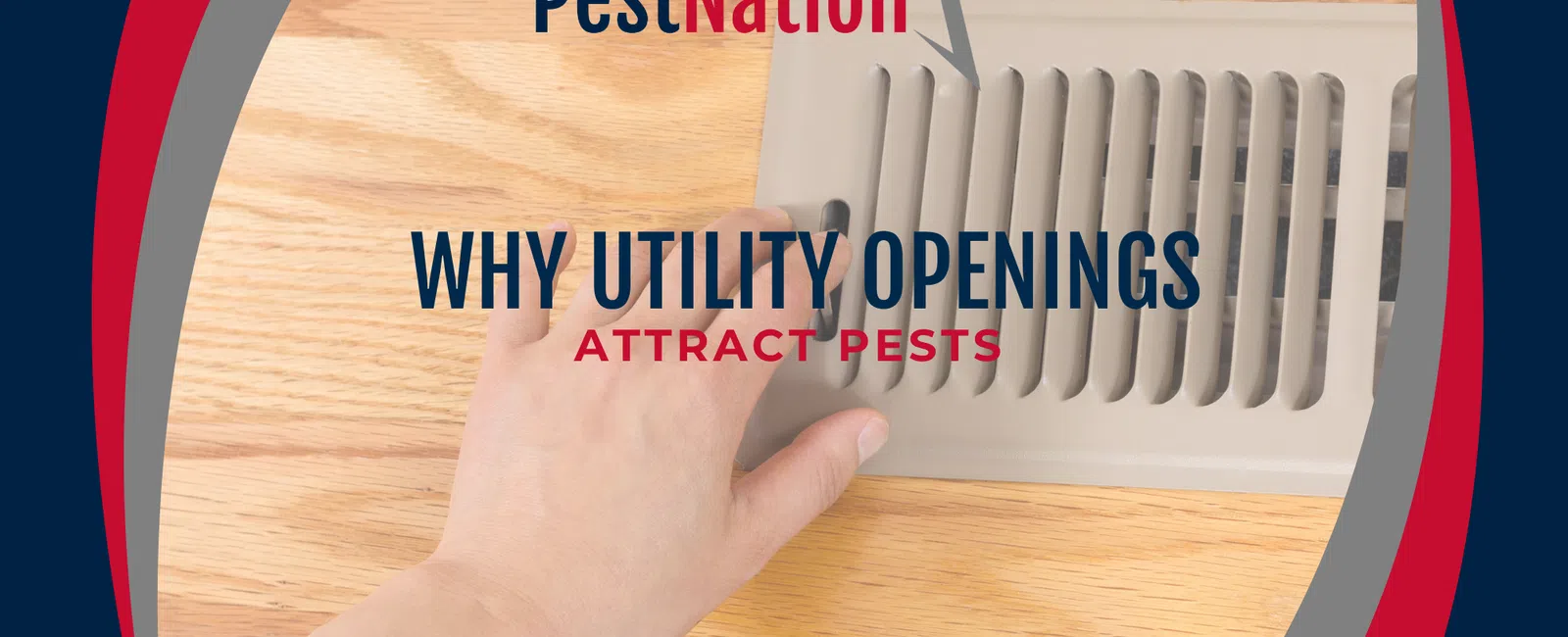
Every home contains dozens of utility penetrations that allow essential services such as water, electricity, natural gas, internet, cable, and HVAC systems to enter the structure. While these openings are necessary for a home's operation, they can also become some of the most overlooked pest entry points. Small gaps around pipes, conduits, vents, and utility lines often go unnoticed because they are hidden behind landscaping, inside crawlspaces, beneath siding, or around the foundation. Unfortunately, these seemingly insignificant openings provide insects and rodents with direct pathways into a home.
Many pest infestations begin when pests exploit these unsealed or deteriorated penetrations. Ants may follow plumbing lines into kitchens, cockroaches can move through gaps around drainpipes, rodents often enlarge existing openings to gain access, and spiders use wall voids surrounding utility lines as protected travel corridors. Because these entry points are concealed, homeowners may not realize they exist until pests begin appearing indoors. Through comprehensive PestNation pest inspections and customized Atlanta interior and exterior pest treatments, Charlotte interior and exterior pest treatments, Orlando interior and exterior pest treatments, and Charleston interior and exterior pest treatments, PestNation helps homeowners identify vulnerable utility openings and strengthen long-term Pest Exclusion strategies.
Understanding how pests use utility penetrations allows homeowners to better protect their properties. By combining proper maintenance, pest proofing, routine inspections, and professional Pest Control, homeowners can significantly reduce the risk of recurring infestations while improving overall Home Pest Prevention.
What Are Utility Penetrations?
Utility penetrations are openings created where building systems enter or exit a home.
Examples include:
- Water supply lines
- Sewer pipes
- Gas lines
- Electrical conduits
- HVAC refrigerant lines
- Cable television wiring
- Internet service lines
- Exterior electrical panels
- Dryer vents
- Exhaust vents
Although installers typically seal these openings during construction, sealants can deteriorate over time due to weather, settling, and normal building movement.
Even small gaps may become significant pest entry points.
Why Pests Prefer Utility Openings
Utility penetrations provide ideal conditions for many pests because they offer:
- Direct access indoors
- Protection from predators
- Stable temperatures
- Darkness
- Minimal human disturbance
Many pests naturally travel along walls, foundations, and utility lines.
Once they discover an opening, they often continue using the same pathway repeatedly.
This is why pest proofing around utility penetrations is such an important part of effective Home Pest Prevention.
Ants Frequently Follow Plumbing Lines
Ants constantly search for moisture and food.
Plumbing penetrations often lead directly into:
- Kitchens
- Bathrooms
- Laundry rooms
- Utility closets
These areas provide:
- Water sources
- Food residue
- Warm temperatures
Even tiny gaps around supply lines can allow thousands of worker ants to establish indoor trails.
Professional Pest Exclusion includes identifying these vulnerable locations and sealing accessible openings.
Cockroaches Exploit Pipe Openings
Cockroaches thrive in warm, humid environments.
Utility penetrations often provide access to:
- Wall voids
- Crawlspaces
- Mechanical rooms
- Utility chases
Common entry locations include:
- Sink plumbing
- Water heater connections
- HVAC penetrations
- Utility pipe sleeves
Because cockroaches often remain hidden during the day, infestations may continue growing unnoticed until populations become much larger.
Rodents Can Enlarge Existing Gaps
Mice and rats require surprisingly little space to enter a home.
If utility penetrations already contain small openings, rodents may enlarge them by gnawing surrounding materials.
Rodents commonly enter through:
- Electrical conduits
- Gas pipe penetrations
- HVAC openings
- Exterior utility boxes
Once inside, they may damage:
- Wiring
- Insulation
- Stored belongings
- Structural materials
Proper pest proofing helps eliminate many of these access opportunities before rodents establish nests.
Spiders Use Utility Voids for Shelter
Spiders often occupy wall cavities surrounding pipes and wiring because these spaces remain undisturbed.
Utility penetrations also attract insects, providing spiders with reliable food sources.
Although spiders themselves rarely damage homes, their presence frequently indicates that other pest activity already exists.
Reducing insect populations while improving Pest Exclusion typically decreases spider activity as well.
Moisture Around Utility Lines Attracts Pests
Many utility penetrations are associated with plumbing systems.
Small leaks or condensation may create excess moisture that attracts:
- Cockroaches
- Carpenter ants
- Silverfish
- Earwigs
- Millipedes
Moisture also contributes to wood deterioration, increasing opportunities for termites and carpenter ants.
Repairing plumbing issues promptly supports both structural maintenance and Home Pest Prevention.
Utility Penetrations in Crawlspaces
Crawlspaces contain numerous utility connections.
These areas often include:
- Water lines
- Drainpipes
- Electrical wiring
- HVAC ducts
- Gas piping
Because crawlspaces remain dark and humid, pests frequently establish themselves before moving upward into living spaces.
Routine PestNation pest inspections evaluate crawlspaces carefully for pest activity and structural vulnerabilities.
Exterior Walls Require Regular Inspection
Many homeowners rarely inspect the exterior walls where utilities enter the home.
Problem areas commonly include:
- Air conditioning line sets
- Electrical meter bases
- Exterior hose bibs
- Cable entry points
- Gas meter penetrations
Weather exposure gradually causes caulking and sealants to crack or shrink, creating new pest entry points over time.
Annual inspections help identify these developing issues before infestations occur.
Seasonal Changes Affect Utility Openings
Building materials naturally expand and contract as temperatures fluctuate.
This movement may widen existing gaps around:
- Pipes
- Conduits
- Vent stacks
- Utility sleeves
Heavy rainfall, humidity, freezing temperatures, and settling further contribute to sealant deterioration.
Routine pest proofing helps maintain a consistent barrier against pests throughout every season.
Common Pests That Use Utility Penetrations
Numerous household pests exploit utility openings.
These include:
- Ants
- Cockroaches
- Rodents
- Spiders
- Silverfish
- Earwigs
- Millipedes
- Wasps
- Carpenter ants
Each species benefits from the shelter and access these openings provide.
Identifying vulnerable penetrations early greatly reduces infestation risks.
Effective Pest Proofing Techniques
Professional pest proofing may include:
- Replacing deteriorated caulking
- Installing appropriate sealants
- Using rodent-resistant materials
- Repairing damaged flashing
- Sealing utility sleeves
- Screening vents where appropriate
These improvements strengthen Pest Exclusion without interfering with utility system performance.
Why Professional Pest Inspections Matter
Many utility penetrations are difficult for homeowners to access or evaluate safely.
PestNation pest inspections examine:
- Utility penetrations
- Foundation transitions
- Crawlspaces
- Exterior walls
- Roof penetrations
- Moisture concerns
- Rodent evidence
- Structural vulnerabilities
These inspections often identify hidden pest entry points before infestations become severe.
Homeowner Prevention Tips
Homeowners can support Home Pest Prevention by:
- Inspecting exterior walls annually
- Repairing damaged caulking
- Addressing plumbing leaks promptly
- Keeping vegetation trimmed away from utility lines
- Monitoring crawlspaces
- Checking around exterior HVAC equipment
- Maintaining clean utility rooms
Regular maintenance complements professional Pest Control programs and reduces long-term pest pressure.
Combining Pest Exclusion With Professional Pest Control
The most effective pest management strategy combines exclusion with treatment.
Professional Pest Control programs often include:
- Exterior inspections
- Perimeter treatments
- Pest Exclusion recommendations
- Moisture evaluations
- Seasonal monitoring
- Preventative maintenance guidance
Atlanta pest control, Charlotte pest control, Orlando pest control, and Charleston pest control professionals recognize that eliminating pest entry points often provides more lasting results than treatment alone.
Utility penetrations and pipe openings may appear insignificant, but they are among the most common pest entry points found in residential properties. Small gaps surrounding plumbing, electrical, HVAC, gas, and communication lines provide insects and rodents with protected access into wall cavities, crawlspaces, garages, and living areas. Without regular inspection and maintenance, these openings can allow recurring infestations that become increasingly difficult to eliminate.
For homeowners seeking dependable Atlanta pest control, Charlotte pest control, Orlando pest control, or Charleston pest control, utility penetrations should be an important part of any Home Pest Prevention strategy. Through detailed PestNation pest inspections and customized Atlanta interior and exterior pest treatments, Charlotte interior and exterior pest treatments, Orlando interior and exterior pest treatments, and Charleston interior and exterior pest treatments, PestNation helps homeowners identify hidden vulnerabilities, strengthen Pest Exclusion, and implement effective pest proofing solutions. By combining routine maintenance with professional Pest Control services, homeowners can better protect their properties from unwanted pests throughout the year.