
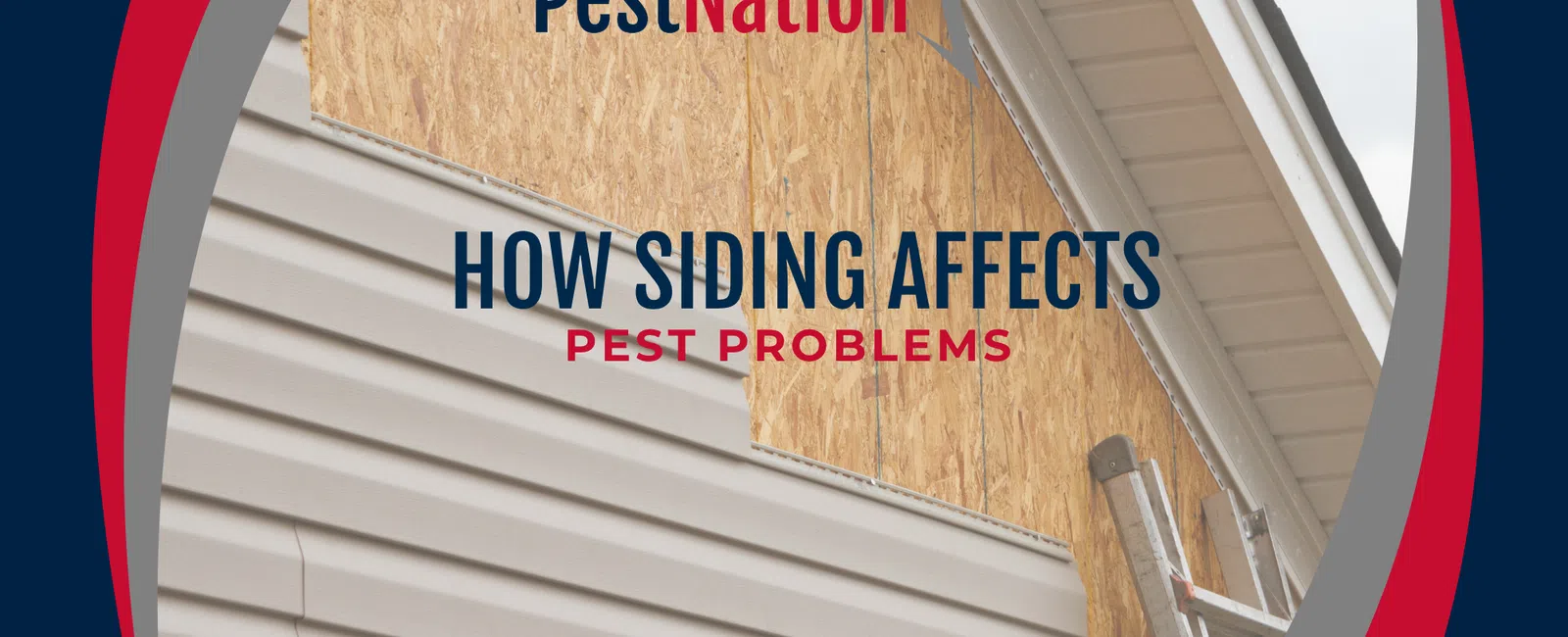
A home's exterior is its first line of defense against the elements, but it also serves as the first barrier against unwanted pests. While homeowners often focus on keeping roofs, windows, and doors in good condition, siding and other exterior materials play an equally important role in preventing insects and rodents from entering the structure. Cracked siding, deteriorating trim, damaged soffits, and poorly maintained exterior finishes can all create hidden opportunities for pests to establish themselves around or inside a home.
Many pest infestations begin outside long before insects or rodents are noticed indoors. Small gaps behind siding, deteriorated caulking, moisture-damaged wood, and loose exterior materials provide shelter, nesting locations, and travel routes for numerous species. Once pests find these protected spaces, it often becomes much easier for them to enter wall cavities, crawlspaces, attics, and living areas. Through comprehensive PestNation pest inspections and customized Atlanta interior and exterior pest treatments, Charlotte interior and exterior pest treatments, Orlando interior and exterior pest treatments, and Charleston interior and exterior pest treatments, PestNation helps homeowners identify exterior vulnerabilities before they become costly infestations.
Understanding how siding materials and exterior construction influence pest activity is an essential part of effective exterior pest control. By combining routine maintenance with professional inspections and Home Pest Prevention strategies, homeowners can significantly reduce the likelihood of recurring pest problems.
Why a Home's Exterior Matters for Pest Prevention
The exterior of a home acts as a protective envelope between the indoor environment and the surrounding landscape.
Every exterior component—including siding, trim, fascia, soffits, foundation walls, and exterior penetrations—can either help prevent or encourage pest activity.
When exterior materials become damaged, they may provide:
- Shelter
- Moisture retention
- Hidden nesting areas
- Entry points
- Protected travel routes
Effective exterior pest control begins with maintaining this protective barrier.
Different Siding Materials Influence Pest Activity
Not all siding performs the same when it comes to resisting pests.
Common residential siding materials include:
- Vinyl siding
- Fiber cement siding
- Brick veneer
- Stucco
- Engineered wood
- Natural wood siding
Each material has unique strengths and maintenance requirements.
For example:
- Vinyl siding can develop loose panels that create hidden spaces.
- Wood siding may deteriorate if exposed to excessive moisture.
- Stucco can crack over time.
- Brick veneer may develop gaps in mortar joints.
Regardless of the material, damaged sections can create favorable conditions for siding pests.
Wood Siding Requires Careful Maintenance
Natural wood remains attractive and durable when properly maintained, but it is also more vulnerable to certain pests.
Wood siding may attract:
- Carpenter ants
- Termites
- Wood-boring beetles
These insects are particularly attracted to:
- Moist wood
- Rotting trim
- Water damage
- Poor ventilation
Routine painting, sealing, and moisture management help protect wood siding while reducing pest risks.
Vinyl Siding Can Hide Pest Activity
Although vinyl siding is not a food source for insects, it may create concealed spaces behind loose or improperly installed panels.
Common pests found behind vinyl siding include:
- Wasps
- Spiders
- Ants
- Earwigs
- Cockroaches
These hidden voids provide protection from weather while allowing pests to move along the exterior walls undetected.
Professional PestNation pest inspections often identify pest activity behind siding before homeowners notice signs indoors.
Fiber Cement and Brick Still Require Inspection
Fiber cement siding and brick veneer are generally resistant to insect damage.
However, pests rarely attack the material itself.
Instead, they exploit surrounding conditions such as:
- Cracked caulking
- Damaged flashing
- Missing mortar
- Expansion joints
- Utility penetrations
Routine inspection remains important regardless of siding type because pests target openings—not necessarily the siding material itself.
Moisture Is One of the Biggest Risk Factors
Moisture affects nearly every exterior pest problem.
Water may accumulate because of:
- Roof leaks
- Overflowing gutters
- Poor grading
- Irrigation overspray
- Condensation
- Improper flashing
Moisture encourages:
- Termites
- Carpenter ants
- Cockroaches
- Silverfish
- Earwigs
When siding remains wet for extended periods, deterioration accelerates while attracting additional pest activity.
Addressing moisture problems strengthens both exterior pest control and Home Pest Prevention efforts.
Cracks and Gaps Become Entry Points
Even small openings around exterior materials allow pests to enter.
Common problem areas include:
- Window trim
- Door frames
- Expansion joints
- Foundation transitions
- Utility penetrations
- Roof intersections
Many insects require only tiny openings to enter wall voids.
Rodents may also enlarge existing gaps to gain access.
Sealing these openings is one of the most effective methods of preventing future infestations.
Landscaping Directly Affects Exterior Pest Activity
The condition of the landscaping surrounding a home often influences how many pests reach the siding.
Potential concerns include:
- Shrubs touching walls
- Tree limbs contacting the roof
- Thick mulch
- Dense groundcover
- Leaf accumulation
- Standing water
These conditions create shelter while providing easy travel routes toward the structure.
Maintaining proper clearance around the home's exterior reduces opportunities for insects and rodents to reach siding materials.
Common Siding Pests
Several pests regularly use exterior walls for shelter or entry.
These include:
Termites
Subterranean termites may travel from the soil into wood components surrounding the siding.
Carpenter Ants
Carpenter ants frequently nest inside moisture-damaged trim and siding.
Cockroaches
Outdoor cockroaches often move beneath siding before entering garages or wall voids.
Spiders
Spiders establish webs around lights, soffits, corners, and window frames where insects gather.
Wasps
Loose siding panels and soffits provide excellent nesting locations.
Rodents
Mice may climb vegetation and enter wall cavities through damaged exterior materials.
Seasonal Weather Affects Exterior Materials
Exterior materials expand and contract as temperatures change throughout the year.
Heavy rain, humidity, freezing temperatures, and prolonged sunlight may contribute to:
- Caulk deterioration
- Warped siding
- Cracked trim
- Loose panels
- Moisture intrusion
These changes gradually increase opportunities for pest entry.
Regular inspections allow repairs to be made before pests take advantage of developing vulnerabilities.
Why Exterior Pest Prevention Is Better Than Reactive Treatment
Many homeowners wait until pests appear indoors before seeking help.
Unfortunately, by then, insects or rodents have often already established nesting sites.
Exterior Pest Prevention focuses on stopping infestations before they begin by:
- Identifying structural vulnerabilities
- Reducing moisture
- Sealing openings
- Managing landscaping
- Monitoring pest activity
Preventative measures are generally more effective and less disruptive than treating widespread indoor infestations.
Professional Pest Inspections Make a Difference
PestNation pest inspections evaluate far more than visible pest activity.
Professional inspectors examine:
- Siding condition
- Moisture damage
- Foundation transitions
- Rooflines
- Utility penetrations
- Landscaping
- Crawlspace access
- Exterior gaps
These evaluations help identify conditions that may eventually lead to pest infestations.
Homeowner Maintenance Tips
Homeowners can improve Home Pest Prevention by:
- Inspecting siding annually
- Repairing damaged caulking
- Cleaning gutters
- Trimming shrubs away from walls
- Removing leaf debris
- Addressing moisture promptly
- Replacing damaged trim
- Monitoring foundation cracks
Routine maintenance helps preserve the home's exterior while reducing long-term pest risks.
Combining Maintenance With Professional Pest Control
The strongest pest prevention strategy combines homeowner maintenance with professional Pest Control services.
Comprehensive programs often include:
- Exterior inspections
- Perimeter treatments
- Moisture evaluations
- Entry-point identification
- Seasonal monitoring
- Prevention recommendations
Atlanta pest control, Charlotte pest control, Orlando pest control, and Charleston pest control professionals understand how local climate conditions influence exterior pest activity and can tailor treatment plans accordingly.
A home's siding and exterior materials do much more than enhance curb appeal—they serve as one of the most important barriers against insects and rodents. Damaged siding, deteriorated trim, moisture intrusion, landscaping issues, and structural gaps all create opportunities for siding pests to establish themselves before eventually moving indoors. Routine maintenance and early repairs help preserve this protective barrier while reducing long-term infestation risks.
For homeowners seeking dependable Atlanta pest control, Charlotte pest control, Orlando pest control, or Charleston pest control, maintaining the exterior of the home should be an essential part of any pest management strategy. Through detailed PestNation pest inspections and customized Atlanta interior and exterior pest treatments, Charlotte interior and exterior pest treatments, Orlando interior and exterior pest treatments, and Charleston interior and exterior pest treatments, PestNation helps homeowners strengthen exterior pest control efforts while supporting long-term Home Pest Prevention. By combining regular inspections, proactive maintenance, Exterior Pest Prevention, and professional Pest Control services, homeowners can better protect their homes from unwanted pests throughout every season.