
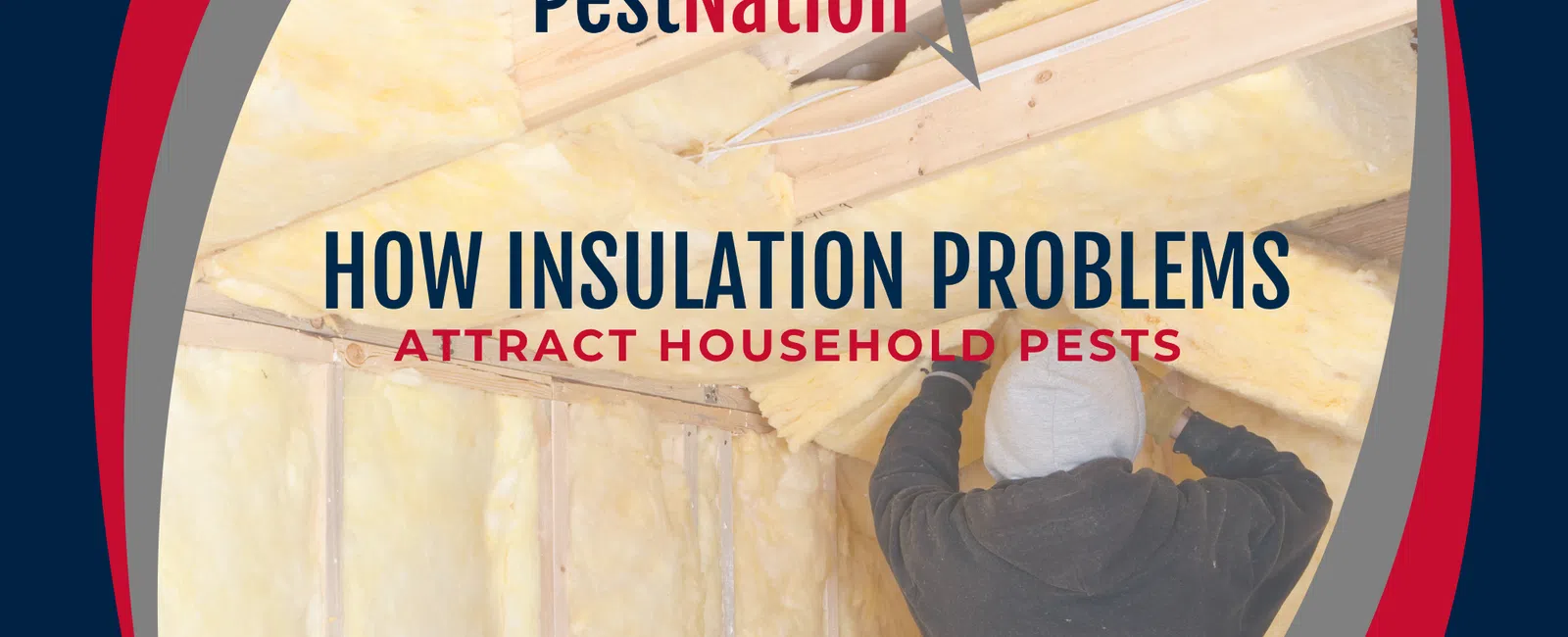
Homeowners often think of insulation as a way to improve comfort and lower energy bills, but its condition can also have a significant impact on pest activity. Proper Home Insulation helps regulate indoor temperatures, control moisture, and improve energy efficiency, while damaged or poorly maintained insulation can create an ideal environment for insects, rodents, and other unwanted pests. Because insulation is hidden inside attics, crawlspaces, and wall cavities, pest infestations often develop unnoticed until they become much larger and more expensive to resolve.
Insulation problems rarely occur in isolation. Moisture intrusion, roof leaks, poor ventilation, structural gaps, and aging building materials frequently contribute to insulation damage while also creating favorable conditions for pests. Rodents may tunnel through insulation to build nests, insects can thrive in damp materials, and wildlife often compress or destroy insulation while occupying attic spaces. Through comprehensive PestNation pest inspections and customized Atlanta interior and exterior pest treatments, Charlotte interior and exterior pest treatments, Orlando interior and exterior pest treatments, and Charleston interior and exterior pest treatments, PestNation helps homeowners identify insulation-related pest risks before they develop into widespread infestations.
Protecting a home's insulation is about more than maintaining energy efficiency—it is also an important part of long-term Pest Control. Understanding how insulation pests develop and why professional Attic Pest Control is essential can help homeowners protect both their property and their indoor environment.
The Connection Between Home Insulation and Pest Activity
Insulation is designed to create a protective thermal barrier inside a home, but it also creates enclosed spaces that pests find attractive.
Insulated areas typically provide:
- Warm, stable temperatures
- Protection from weather
- Limited human activity
- Darkness
- Quiet nesting locations
These conditions make attics, wall cavities, and crawlspaces particularly attractive to rodents, insects, and other wildlife.
When insulation becomes damaged, compressed, or wet, the likelihood of pest activity often increases significantly.
Why Insulation Pests Are Difficult to Detect
One of the biggest challenges with insulation pests is that they usually remain hidden.
Most pest activity occurs:
- Inside attics
- Beneath insulation
- Within wall cavities
- Around roof framing
- Inside crawlspaces
Because homeowners rarely inspect these areas, infestations can continue growing for weeks or months before noticeable signs appear inside the living space.
Routine PestNation pest inspections help uncover these hidden problems before they become severe.
Rodents Commonly Nest in Attic Insulation
Mice and rats are among the most destructive pests found in insulated attic spaces.
Insulation provides rodents with:
- Warm nesting material
- Shelter from predators
- Safe breeding areas
- Easy travel routes
As rodents move through insulation, they often:
- Compress insulation
- Tear insulation apart
- Leave droppings
- Deposit urine
- Contaminate large sections of the attic
Beyond reducing energy efficiency, contaminated insulation may negatively affect indoor air quality.
Professional Attic Pest Control addresses both rodent removal and recommendations for restoring damaged insulation.
Wildlife Can Cause Extensive Insulation Damage
Attics occasionally become home to larger wildlife species.
Common attic intruders include:
- Squirrels
- Raccoons
- Bats
These animals frequently:
- Tear insulation apart
- Flatten insulation
- Build nests
- Damage ventilation systems
- Leave waste throughout the attic
Even after wildlife removal, damaged insulation often requires replacement to restore its effectiveness.
Moisture Creates Ideal Conditions for Pest Problems
Moisture is one of the leading causes of insulation deterioration.
Common moisture sources include:
- Roof leaks
- Plumbing leaks
- Condensation
- Poor attic ventilation
- Ice dam damage in colder climates
- HVAC condensation
Wet insulation becomes less effective while creating favorable conditions for numerous pests.
Moisture-loving pests include:
- Cockroaches
- Silverfish
- Carpenter ants
- Earwigs
- Millipedes
Correcting moisture issues is often one of the first steps in preventing insulation pests.
Termites Benefit From Hidden Structural Spaces
Although termites feed primarily on wood rather than insulation itself, insulation often conceals termite activity.
Subterranean termites commonly travel through:
- Foundation walls
- Crawlspaces
- Utility penetrations
- Wall cavities
Once inside concealed spaces, they may feed on framing members without obvious warning signs.
Routine inspections remain one of the most effective ways to detect termite activity early.
Insects Use Insulation as Shelter
Numerous insects seek shelter within insulated spaces.
Common examples include:
- Cockroaches
- Ants
- Spiders
- Silverfish
- Carpet beetles
These pests often benefit from:
- Stable temperatures
- Moisture
- Darkness
- Minimal disturbance
While insulation itself may not serve as a food source, the protected environment allows insect populations to expand.
Poor Ventilation Increases Pest Risk
Proper attic ventilation helps regulate both temperature and humidity.
Inadequate ventilation can result in:
- Excess heat
- High humidity
- Condensation
- Mold growth
These conditions contribute to insulation deterioration while increasing the likelihood of pest activity.
Improving ventilation benefits both Home Insulation performance and long-term Pest Control efforts.
Structural Openings Allow Pests to Reach Insulation
Many attic infestations begin when pests exploit exterior openings.
Common entry points include:
- Roof vents
- Damaged soffits
- Fascia gaps
- Roof intersections
- Utility penetrations
- Loose flashing
Once inside, pests often settle directly into insulated areas where they remain protected.
Professional inspections help identify these vulnerabilities before infestations become established.
Signs That Insulation May Be Harboring Pests
Homeowners should watch for:
- Scratching noises overhead
- Droppings in the attic
- Unpleasant odors
- Compressed insulation
- Torn insulation
- Nesting materials
- Increased insect activity indoors
- Ceiling stains caused by roof leaks
These indicators often suggest that pests have already occupied insulated spaces.
Why Regular Attic Inspections Matter
Attics are among the least frequently visited parts of a home.
As a result, developing pest problems often go unnoticed.
Routine inspections evaluate:
- Insulation condition
- Rodent activity
- Wildlife damage
- Roof leaks
- Moisture accumulation
- Ventilation
- Structural openings
Professional Attic Pest Control services identify these issues before they lead to larger structural or sanitation concerns.
Protecting Home Insulation From Pests
Homeowners can reduce insulation-related pest problems by:
- Repairing roof leaks quickly
- Maintaining attic ventilation
- Sealing roofline openings
- Trimming tree branches away from the roof
- Addressing moisture problems promptly
- Scheduling routine inspections
- Replacing contaminated insulation when necessary
These preventative measures support healthier attic conditions while discouraging future infestations.
The Importance of Pest Exclusion
Removing pests is only one part of long-term prevention.
Effective exclusion measures include:
- Sealing exterior entry points
- Repairing damaged soffits
- Screening attic vents
- Closing utility openings
- Replacing deteriorated flashing
Preventing future access helps preserve insulation and reduces recurring infestations.
Why Professional Pest Inspections Are Essential
Many insulation-related pest problems remain hidden until significant damage has occurred.
PestNation pest inspections evaluate:
- Attic insulation
- Crawlspaces
- Rooflines
- Moisture conditions
- Structural openings
- Rodent evidence
- Wildlife activity
- Conditions conducive to infestations
These inspections allow homeowners to address developing problems before they become expensive repairs.
Comprehensive Pest Control Protects More Than the Attic
The most effective Pest Control strategy combines inspections, exclusion, moisture management, and ongoing monitoring.
Professional services often include:
- Exterior inspections
- Interior evaluations
- Attic Pest Control
- Rodent monitoring
- Seasonal treatments
- Prevention recommendations
Atlanta pest control, Charlotte pest control, Orlando pest control, and Charleston pest control programs frequently emphasize attic inspections because insulation problems often serve as an early indicator of hidden pest activity.
Home Insulation is one of the most important yet overlooked components of a healthy home. When insulation becomes wet, damaged, compressed, or contaminated, it creates an environment where rodents, insects, and wildlife can thrive without immediate detection. Left unresolved, insulation pests can reduce energy efficiency, contaminate indoor spaces, damage structural materials, and increase the overall cost of home maintenance.
For homeowners seeking trusted Atlanta pest control, Charlotte pest control, Orlando pest control, or Charleston pest control, maintaining attic insulation should be an essential part of a comprehensive pest management plan. Through detailed PestNation pest inspections and customized Atlanta interior and exterior pest treatments, Charlotte interior and exterior pest treatments, Orlando interior and exterior pest treatments, and Charleston interior and exterior pest treatments, PestNation helps homeowners identify hidden vulnerabilities while providing professional Attic Pest Control and proactive Pest Control solutions. By combining routine inspections, proper Home Insulation maintenance, moisture management, and exclusion techniques, homeowners can protect their homes from recurring infestations and enjoy greater comfort, efficiency, and peace of mind throughout the year.