
Spiders are a natural part of the ecosystem across the Southeastern United States, but certain species can pose health concerns for homeowners. While the vast majority of spiders are harmless and even beneficial in controlling insect populations, a small number of venomous spiders are considered medically significant. In states such as Georgia, North Carolina, and South Carolina, homeowners occasionally encounter these dangerous spiders in homes, garages, yards, and storage areas.
Understanding which venomous spiders exist in the region and how they behave is important for maintaining a safe home environment. Cities like Atlanta and Charlotte experience regular spider activity due to warm temperatures and expanding suburban development, while humid coastal environments served by Charleston pest control professionals often provide ideal habitats for spiders to thrive. Learning how to identify venomous spiders, where they are commonly found, and how to reduce the risk of encounters can help homeowners manage spider activity effectively. Through professional inspections and targeted Spider Control in the Southeast, PestNation helps homeowners identify spider risks and maintain safer living spaces.
Although many people fear spiders in general, only a few species in the region are considered truly dangerous. Most spiders encountered inside homes are harmless species that feed on insects and rarely interact with humans. However, understanding the characteristics and behavior of venomous spiders helps homeowners distinguish between harmless species and those that require caution.
Why Spiders Are Common in the Southeast
The Southeastern United States provides ideal environmental conditions for spiders. Warm temperatures, high humidity, and abundant insect populations create an environment where spiders can thrive year-round.
Spiders are predators that feed primarily on insects. Because insects are plentiful in cities like Atlanta and Charlotte, spiders are naturally drawn to residential neighborhoods where food sources are abundant. In Charleston pest control environments, coastal humidity and dense vegetation can support even larger insect populations, which in turn attract spiders.
Several factors contribute to spider activity around homes:
-
Exterior lighting that attracts insects
-
Landscaping close to the home's exterior walls
-
Crawl spaces and attic areas that provide shelter
-
Storage areas with limited disturbance
-
Structural cracks or openings that allow entry
Because spiders rely on insects for survival, managing overall pest activity is a key part of Spider Control in the Southeast.
The Black Widow Spider
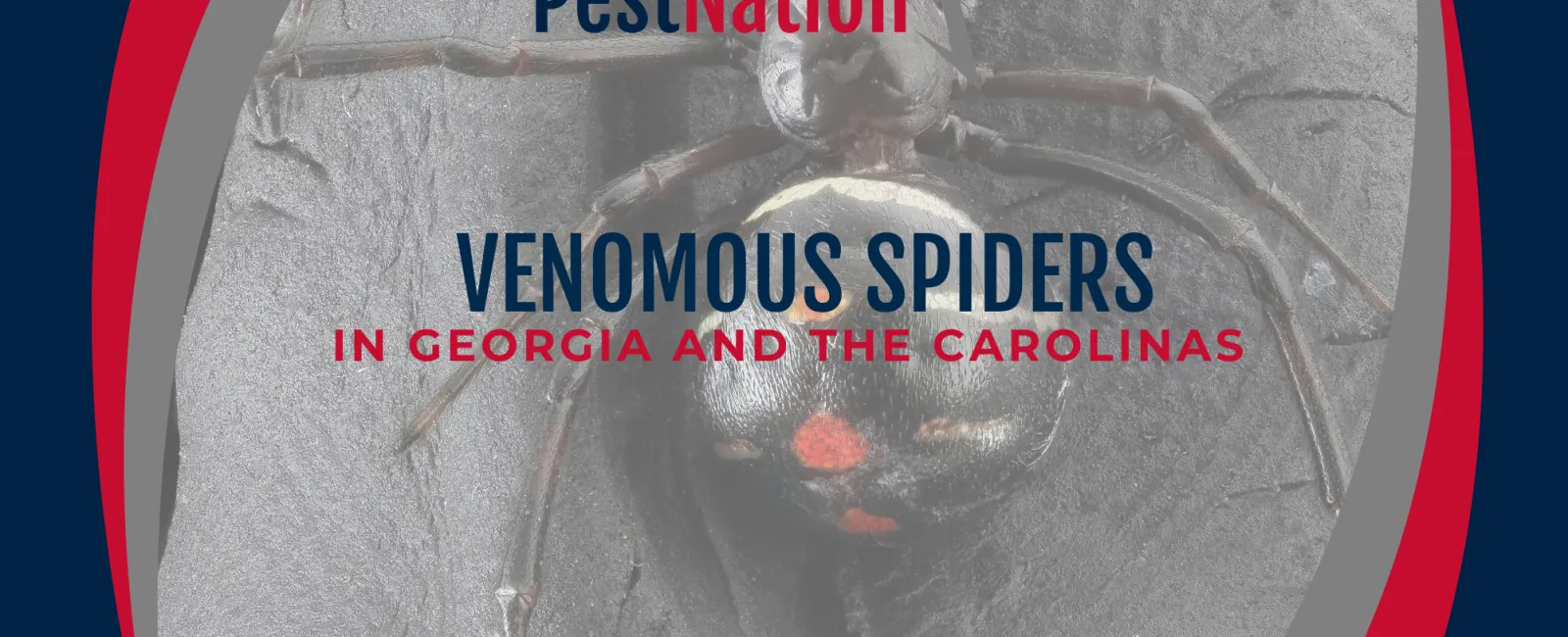
One of the most well-known venomous spiders found in Georgia and the Carolinas is the black widow. These spiders are easily recognized by their shiny black bodies and the distinctive red hourglass marking on the underside of the abdomen.
Black widows prefer dark, undisturbed environments where they can build irregular webs. Common locations include:
-
Woodpiles
-
Storage sheds
-
Garage corners
-
Crawl spaces
-
Outdoor furniture
Although black widow spiders are not aggressive and typically avoid human contact, they may bite if they feel threatened or are accidentally disturbed.
Black widow bites can cause symptoms such as:
-
Muscle pain or cramping
-
Abdominal discomfort
-
Sweating or nausea
-
Increased blood pressure
While severe reactions are uncommon, medical attention is recommended if a bite is suspected.
In urban areas such as Atlanta and Charlotte, black widows are often found in garages or storage areas where clutter provides shelter. Charleston pest control professionals frequently encounter black widows in outdoor structures such as sheds and deck areas.
The Brown Recluse Spider
Another medically significant spider sometimes found in Georgia and the Carolinas is the brown recluse. These spiders are typically light to dark brown and are known for the violin-shaped marking located on the top of the cephalothorax.
Brown recluse spiders prefer quiet, undisturbed environments and are commonly found in:
-
Attics
-
Closets
-
Storage boxes
-
Basements
-
Behind furniture
Unlike black widows, brown recluse spiders are not commonly seen in open areas. They tend to hide during the day and emerge at night to hunt for insects.
Brown recluse bites are rare but can cause localized tissue damage in some cases. Symptoms may include redness, blistering, and skin irritation. Because these spiders prefer hidden environments, accidental contact often occurs when someone moves stored items or reaches into dark spaces.
In homes throughout Atlanta and Charlotte, brown recluse spiders are most often discovered in storage areas or attics where boxes and clutter create ideal hiding places.
Misidentified "Dangerous" Spiders
Many harmless spider species are often mistaken for venomous spiders. This can lead to unnecessary concern among homeowners who encounter spiders inside their homes.
Common harmless spiders that are frequently misidentified include:
-
Wolf spiders
-
House spiders
-
Orb-weaver spiders
-
Jumping spiders
Wolf spiders, for example, are large and fast-moving, which can make them appear intimidating. However, they are generally harmless and help control insect populations.
In Charleston pest control environments, orb-weaver spiders are commonly found outdoors in gardens and landscaping areas. Their large webs may be startling, but they rarely pose any threat to humans.
Professional PestNation pest inspections help identify spider species accurately so that homeowners can determine whether a spider represents a genuine risk.
Where Venomous Spiders Are Most Often Found
Venomous spiders tend to prefer dark, undisturbed environments where they are unlikely to encounter people. Because of this, certain areas around the home are more likely to harbor these spiders.
Common locations include:
-
Garages and sheds
-
Attics and crawl spaces
-
Woodpiles and landscaping materials
-
Storage boxes or cluttered closets
-
Outdoor furniture or patio equipment
Homes in Atlanta and Charlotte with large storage areas or unfinished basements may provide suitable habitats for spiders. In coastal regions served by Charleston pest control professionals, crawl spaces beneath homes can also become common nesting locations due to humidity and shelter.
Regular inspection of these areas can reduce the likelihood of encountering venomous spiders.
Preventing Spider Activity Around the Home
Preventing spiders often involves reducing the insect populations that attract them. Because spiders rely on insects as their primary food source, reducing other pest activity is one of the most effective ways to limit spider populations.
Preventative measures include:
-
Sealing cracks and gaps around windows and doors
-
Reducing clutter in garages and storage areas
-
Trimming landscaping away from exterior walls
-
Cleaning webs regularly
-
Managing exterior lighting that attracts insects
Atlanta, Charlotte, Charleston interior and exterior pest treatments often include strategies that reduce insect activity around the home, which naturally discourages spiders from nesting nearby.
The Role of Professional Spider Inspections
Professional pest inspections are an important step in identifying spider activity and determining whether venomous spiders may be present. PestNation pest inspections evaluate both interior and exterior areas of a property to locate spider webs, egg sacs, and hiding locations.
During an inspection, technicians assess:
-
Spider nesting locations
-
Insect activity that may attract spiders
-
Structural entry points
-
Environmental conditions that support spider populations
In Atlanta, Charlotte, and Charleston pest control environments, these inspections help determine the most effective approach for Spider Control in the Southeast.
Rather than relying solely on pesticides, pest professionals focus on identifying and correcting the conditions that allow spiders to thrive.
Integrated Spider Control Strategies
Effective spider management requires a comprehensive approach that addresses both spider activity and the insects that attract them.
Professional pest management strategies may include:
-
Exterior perimeter treatments
-
Removal of webs and egg sacs
-
Reduction of insect populations
-
Sealing entry points around the home
-
Monitoring for ongoing spider activity
Atlanta, Charlotte, Charleston interior and exterior pest treatments are designed to reduce spider populations both inside and outside the home.
Because spiders are naturally drawn to environments with high insect activity, integrated pest management provides the most reliable long-term results.
Venomous spiders are relatively rare compared to the many harmless spider species found throughout Georgia and the Carolinas. However, species such as the black widow and brown recluse can pose health risks if they are encountered unexpectedly. Understanding where these spiders live, how to identify them, and how to reduce the conditions that attract them can help homeowners maintain safer living environments.
In cities like Atlanta and Charlotte, as well as coastal areas served by Charleston pest control professionals, warm climates and abundant insect populations can support spider activity throughout the year. Through detailed PestNation pest inspections and targeted Atlanta, Charlotte, Charleston interior and exterior pest treatments, homeowners can reduce spider populations and minimize the risk of encounters with venomous spiders. By implementing effective Spider Control in the Southeast, PestNation helps homeowners maintain comfortable and secure homes while addressing spider activity responsibly and professionally.