
Rodents are more than just an unpleasant nuisance in a home—they can cause serious structural and electrical damage that may go unnoticed for long periods. Across the Southeastern United States, rodents such as mice and rats frequently invade homes in search of shelter, food, and warmth. Once inside, they can damage insulation, contaminate stored items, and chew through structural materials. Cities like Atlanta and Charlotte experience increasing rodent activity due to expanding urban development, while humid coastal areas served by Charleston pest control providers often see rodents seeking shelter in crawl spaces and attics during changing weather conditions.
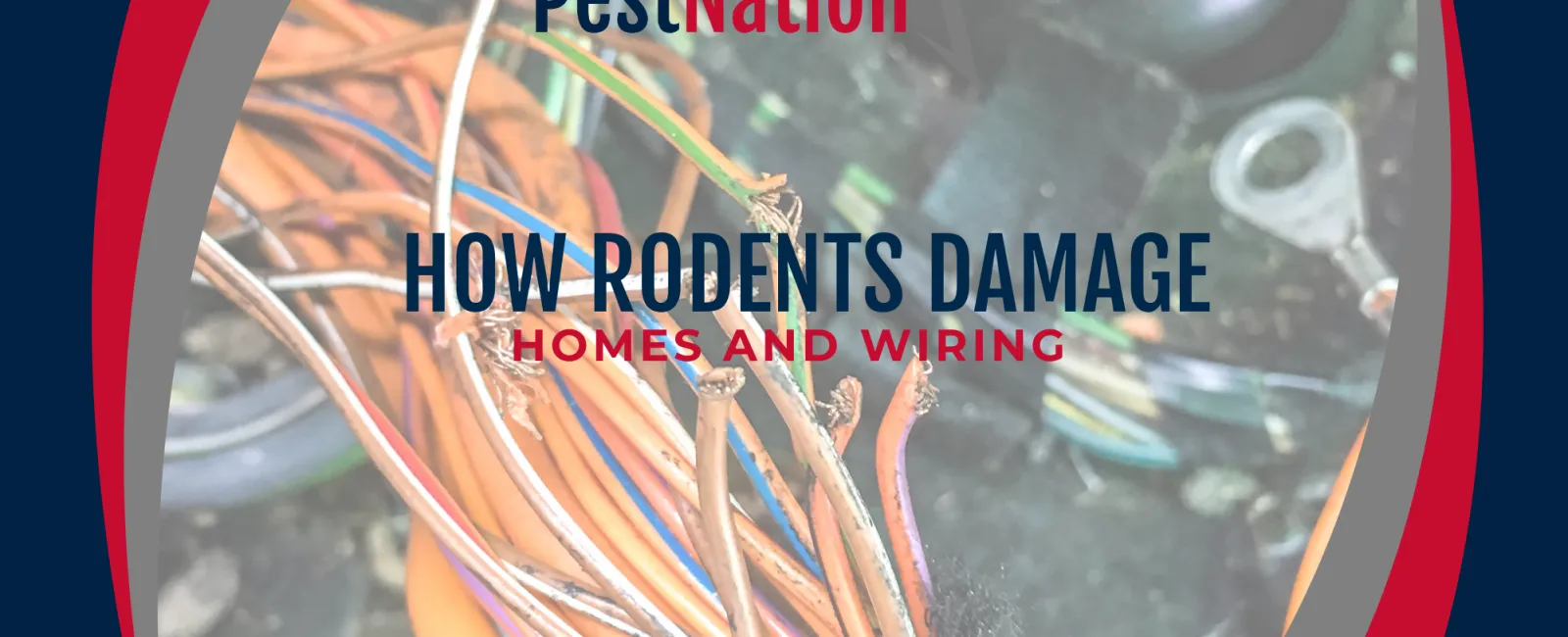
One of the most concerning aspects of rodent infestations is the damage they cause to wiring and electrical systems. Rodents constantly gnaw on materials to keep their teeth from growing too long, and electrical wiring is one of the many materials they chew through. Mice chewing wires can lead to power outages, equipment failures, and even fire hazards within a home. Understanding how rodents damage homes and why professional rodent management is necessary can help homeowners prevent costly repairs and maintain safe living environments.
Rodent infestations are often hidden behind walls, beneath flooring, or inside attic spaces, which allows damage to accumulate before homeowners realize what is happening. Through careful inspection, targeted removal strategies, and effective Rodent Exclusion in the Southeast, PestNation helps property owners identify rodent activity early and protect their homes from the extensive damage these pests can cause.
Why Rodents Invade Homes
Rodents enter homes primarily in search of three essential resources: food, water, and shelter. Homes provide all three in abundance, especially during colder months or periods of heavy rainfall.
Rodents are capable of squeezing through extremely small openings. Mice can enter through gaps the size of a dime, while rats can access structures through slightly larger openings. Once inside, they often travel through walls, attics, crawl spaces, and utility pathways that remain largely unseen by homeowners.
Common entry points include:
-
Gaps around plumbing or electrical lines
-
Cracks in foundations
-
Unsealed attic vents
-
Crawl space openings
-
Gaps beneath doors
In rapidly growing cities like Atlanta and Charlotte, construction and urban expansion frequently disrupt natural rodent habitats. This displacement often forces rodents to move into nearby homes and buildings. Coastal regions that rely on Charleston pest control services also experience increased rodent activity due to dense vegetation and humid environments that support rodent populations.
Once rodents gain access to a home, the risk of rodent damage increases significantly.
Why Rodents Chew on Everything
Rodents have continuously growing teeth, which means they must gnaw on materials regularly to prevent their teeth from becoming too long. This natural behavior leads them to chew on a wide variety of materials inside homes.
Rodents commonly chew on:
-
Wood framing
-
Plastic pipes
-
Insulation
-
Furniture
-
Electrical wiring
Because wiring insulation is soft and easy to chew, it often becomes a target for mice chewing wires. Unfortunately, when rodents chew through electrical wiring, they expose the conductive metal inside the wire, which can create serious hazards.
In many homes across Atlanta and Charlotte, rodent infestations go unnoticed until electrical problems or damaged appliances begin to appear. Charleston pest control professionals also frequently encounter wiring damage in crawl spaces where rodents travel along electrical lines.
Electrical Damage Caused by Rodents
One of the most dangerous consequences of rodent damage is the destruction of electrical wiring. When rodents chew through wiring insulation, they expose the copper conductors inside the wires.
This damage can lead to several serious problems:
-
Short circuits
-
Power outages
-
Electrical system failures
-
Appliance damage
-
Increased fire risk
According to fire safety experts, rodents are responsible for a significant number of electrical fires each year due to wiring damage. Because much of the wiring in a home is hidden inside walls or ceilings, the damage may remain undetected until a major problem occurs.
In homes throughout Atlanta and Charlotte, PestNation pest inspections often uncover wiring damage in attic spaces where rodents nest and travel. Charleston pest control technicians also frequently find evidence of mice chewing wires in crawl spaces and utility areas where wiring runs along beams and pipes.
Prompt rodent control is essential to prevent these hazards.
Damage to Insulation and Structural Materials
Rodents do not limit their chewing to electrical wiring. They also damage insulation, wood, drywall, and other structural materials as they build nests and create pathways throughout a home.
Common types of structural rodent damage include:
-
Shredded attic insulation used for nesting
-
Gnawed wood beams or trim
-
Damaged drywall
-
Chewed plastic piping
-
Torn vapor barriers in crawl spaces
When insulation is damaged, it loses its effectiveness. This can lead to higher energy costs and reduced indoor comfort. Rodents often create tunnels through insulation, leaving droppings and urine behind that contaminate the material.
In humid climates like those found near Charleston pest control service areas, contaminated insulation can also contribute to unpleasant odors and indoor air quality concerns.
Damage to Stored Belongings
Rodents frequently invade storage areas such as attics, basements, and garages. Once inside, they may chew through boxes, clothing, and other stored belongings.
Items commonly damaged by rodents include:
-
Cardboard storage boxes
-
Clothing and fabrics
-
Holiday decorations
-
Paper documents
-
Upholstered furniture
Rodents shred soft materials to build nests. As they do so, they often contaminate items with droppings and urine, making the items unsafe or unusable.
Homes in Atlanta and Charlotte that use attic spaces for storage often experience this type of rodent damage before homeowners realize rodents are present.
Plumbing and Water Damage
Rodents sometimes chew on plastic plumbing pipes, which can lead to leaks and water damage within walls or crawl spaces. Even a small leak can cause significant structural damage over time if left undetected.
Because many plumbing lines run alongside electrical wiring, rodent activity in these areas can create multiple hazards simultaneously.
Charleston pest control technicians frequently identify rodent activity near plumbing systems in crawl spaces where moisture attracts pests.
Contamination and Health Concerns
Beyond structural and electrical damage, rodents also contaminate homes with droppings, urine, and bacteria. These contaminants can spread disease and affect indoor air quality.
Rodents may carry pathogens that contribute to:
-
Food contamination
-
Allergic reactions
-
Respiratory issues
-
Spread of bacteria
Droppings are often found in kitchens, pantries, and storage areas where rodents search for food. PestNation pest inspections frequently identify contamination in areas homeowners rarely inspect, such as behind appliances or inside attic insulation.
Proper rodent control helps reduce these health risks.
Why Rodent Problems Are Common in the Southeast
Rodent infestations are particularly common across the Southeastern United States due to favorable environmental conditions. Mild winters allow rodents to remain active year-round, while warm temperatures support consistent breeding.
Urban areas such as Atlanta and Charlotte provide abundant food sources and shelter for rodents. Dense neighborhoods also allow rodents to move easily between properties.
Coastal environments that rely on Charleston pest control services often experience additional challenges due to vegetation, humidity, and crawl space construction that provides ideal rodent habitats.
Because these conditions allow rodent populations to grow quickly, preventative measures are essential for protecting homes.
The Importance of Professional Pest Inspections
Early detection is one of the most effective ways to prevent serious rodent damage. PestNation pest inspections are designed to identify early signs of rodent activity before extensive damage occurs.
During inspections, technicians look for:
-
Entry points around the home
-
Gnaw marks on structural materials
-
Droppings and nesting materials
-
Damaged wiring or insulation
-
Evidence of rodent pathways
These inspections help determine the extent of the infestation and guide the most effective treatment plan.
In Atlanta, Charlotte, and Charleston pest control scenarios, inspections often reveal rodent activity in hidden areas that homeowners rarely examine.
Rodent Exclusion and Long-Term Prevention
Removing rodents from a home is only part of the solution. Long-term prevention requires preventing rodents from entering the structure again.
Rodent Exclusion in the Southeast focuses on sealing entry points and reinforcing vulnerable areas around the home.
Common exclusion strategies include:
-
Sealing foundation cracks and gaps
-
Installing metal mesh barriers
-
Reinforcing attic vents
-
Securing crawl space openings
-
Installing door sweeps
Atlanta, Charlotte, Charleston interior and exterior pest treatments combine rodent removal with exclusion strategies to ensure rodents cannot return.
This integrated approach provides long-term protection against rodent infestations.
Rodents can cause significant damage to homes, particularly when infestations remain hidden for long periods. From chewing through insulation and structural materials to mice chewing wires that can create dangerous electrical hazards, rodent damage can quickly become expensive and dangerous. Because rodents are highly adaptable and capable of entering homes through tiny openings, early detection and preventative measures are essential.
In cities like Atlanta and Charlotte, as well as coastal areas served by Charleston pest control professionals, rodent infestations are a common challenge due to favorable climate conditions and expanding urban development. Through thorough PestNation pest inspections and comprehensive Atlanta, Charlotte, Charleston interior and exterior pest treatments, homeowners can identify rodent activity early and prevent serious damage. By implementing effective Rodent Exclusion in the Southeast, PestNation helps homeowners protect their properties from costly repairs and maintain safe, rodent-free living environments.