
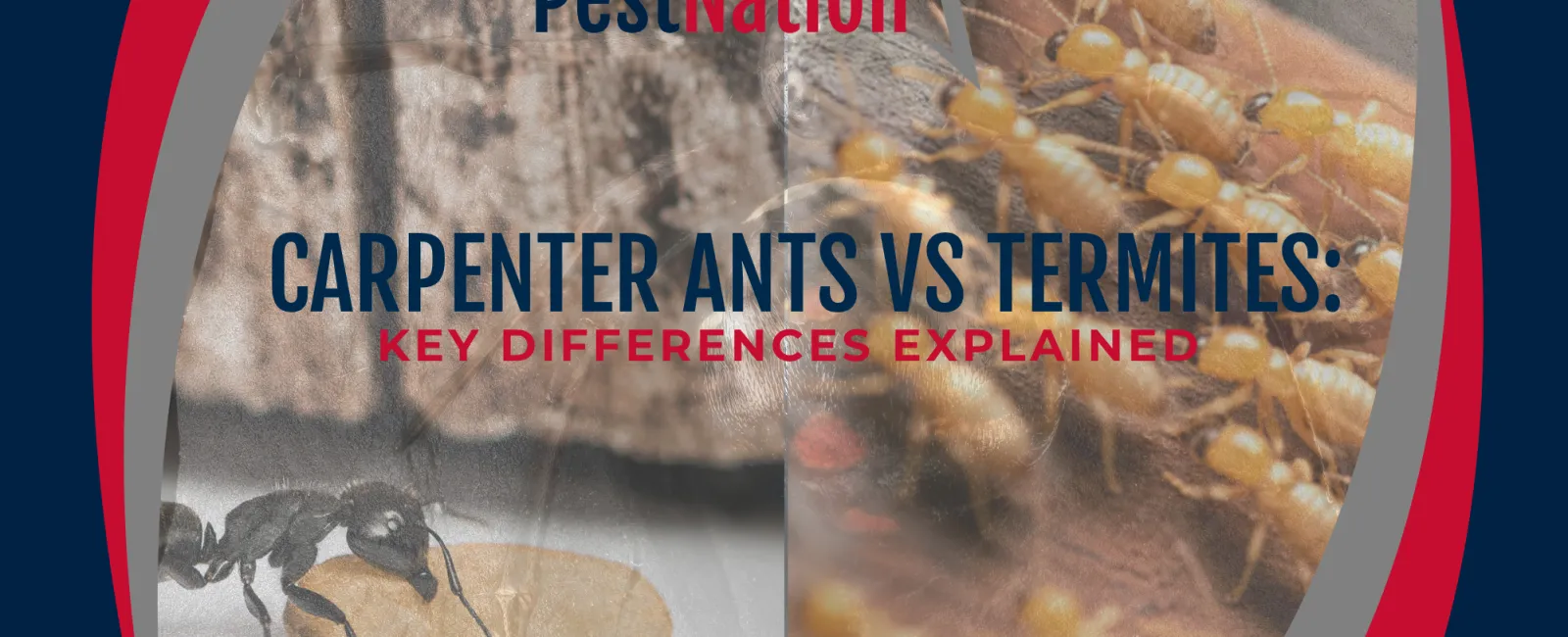
Wood-destroying pests are a serious concern for homeowners throughout the Southeastern United States. Among the most commonly confused are carpenter ants and termites. While both can damage structures, they behave very differently and require distinct treatment strategies. Misidentifying one for the other can delay proper intervention and lead to costly repairs. In cities like Atlanta and Charlotte, as well as coastal areas relying on Charleston pest control services, these pests are frequently encountered due to warm climates and favorable environmental conditions.
Understanding the differences between carpenter ants and termites is essential for protecting your home. While termites consume wood as a food source, carpenter ants excavate wood to build nests. Both can cause structural damage, but the patterns and warning signs differ. Recognizing these distinctions early allows homeowners to take appropriate action and implement effective Ant Control in the Southeast or termite-specific treatments as needed.
Because these pests often remain hidden within walls, crawl spaces, or structural beams, infestations can develop unnoticed for long periods. Through detailed PestNation pest inspections and comprehensive Atlanta, Charlotte, Charleston interior and exterior pest treatments, homeowners can identify the source of damage and apply the correct solution before the problem escalates.
Why These Pests Are Common in the Southeast
The Southeast provides ideal conditions for both carpenter ants and termites. Warm temperatures, high humidity, and abundant wood sources create environments where these pests can thrive year-round.
In growing metropolitan areas such as Atlanta and Charlotte, new construction and land development often disturb natural habitats, pushing pests toward residential structures. In Charleston pest control environments, moisture-rich coastal conditions further increase the likelihood of wood-destroying pest activity.
Homes with crawl spaces, wooden framing, or moisture issues are particularly vulnerable. Because both carpenter ants and termites are attracted to wood, early identification is critical for minimizing damage.
What Are Carpenter Ants?
Carpenter ants are among the largest ant species found in the Southeast. They are typically black, though some may appear reddish or a combination of both colors. Unlike termites, carpenter ants do not eat wood. Instead, they excavate it to create smooth tunnels where they establish nests.
Common characteristics of carpenter ants include:
- Large body size (often up to ½ inch or more)
- Segmented body with a narrow waist
- Elbowed antennae
- Presence of wings in reproductive ants
Carpenter ants are often found in areas where wood has been softened by moisture. This makes homes in humid regions such as Charleston particularly susceptible.
In cities like Atlanta and Charlotte, carpenter ants are frequently discovered in:
- Attics
- Crawl spaces
- Window frames
- Door structures
- Roof eaves
Because carpenter ants prefer damp or decaying wood, addressing moisture issues is a key part of effective Ant Control in the Southeast.
What Are Termites?
Termites are small, pale insects that feed on wood and other cellulose-based materials. Unlike carpenter ants, termites consume wood as their primary food source, which allows them to cause extensive structural damage over time.
Common characteristics of termites include:
- Soft, light-colored bodies
- Straight antennae
- Thick, uniform waist
- Wings of equal length in reproductive swarmers
Termites often remain hidden within wood, making them difficult to detect. They typically build mud tubes to travel between their colony and food sources, especially in subterranean termite species common in the Southeast.
In Atlanta, Charlotte, and Charleston pest control environments, termites are frequently found in:
- Foundations
- Crawl spaces
- Wooden framing
- Subflooring
- Structural beams
Because termites actively consume wood, their damage can progress rapidly if left untreated.
Carpenter Ants vs Termites: Key Differences
Understanding the differences between termites vs ants is essential for proper identification and treatment.
1. Appearance
Carpenter ants and termites have distinct physical differences. Carpenter ants have a narrow waist, bent antennae, and segmented bodies. Termites have straight antennae, broad waists, and softer, lighter-colored bodies.
Winged carpenter ants and termite swarmers are often confused. However, carpenter ants have uneven wing sizes, while termite wings are equal in length.
2. Behavior
Carpenter ants excavate wood to create nesting tunnels but do not consume it. As they dig, they leave behind smooth, clean galleries.
Termites, on the other hand, eat wood. Their tunnels are rough and filled with mud or debris because they consume the material as they move through it.
3. Damage Patterns
Carpenter ant damage often appears as hollowed-out wood with smooth interior surfaces. Small piles of sawdust-like material, known as frass, may be found near nesting areas.
Termite damage typically includes:
- Hollow-sounding wood
- Mud tubes along foundations
- Structural weakening
- Bubbling or uneven surfaces in wood
Because termites consume wood continuously, their damage is often more severe over time.
4. Moisture Preferences
Both pests are attracted to moisture, but carpenter ants are especially drawn to damp or decaying wood. Termites require moisture to survive and often build mud tubes to maintain hydration.
In humid areas such as Charleston, both pests may thrive if moisture issues are not addressed.
Signs of Carpenter Ant Activity
Recognizing carpenter ants early can help prevent extensive damage.
Common signs include:
- Large ants seen indoors, especially at night
- Rustling sounds within walls
- Piles of frass (wood shavings)
- Hollow wood structures
- Winged ants during swarming season
In Atlanta and Charlotte, carpenter ants are often noticed in kitchens or near windows where moisture is present.
Signs of Termite Activity
Termites often remain hidden, but several warning signs may indicate their presence.
Common termite indicators include:
- Mud tubes along foundations or walls
- Hollow-sounding wood
- Discarded wings near windows or doors
- Warped or damaged wood surfaces
- Bubbling paint or drywall
In Charleston pest control environments, termite activity is especially common in crawl spaces where moisture levels remain high.
Why Proper Identification Matters
Misidentifying carpenter ants as termites—or vice versa—can lead to ineffective treatment. Because these pests behave differently, they require different control methods.
Carpenter ants may require:
- Nest identification and removal
- Moisture control
- Targeted baiting systems
Termite infestations often require:
- Soil treatments
- Wood treatments
- Monitoring systems
- Structural protection methods
PestNation pest inspections play a critical role in identifying the correct pest and determining the most effective treatment plan.
The Role of Professional Pest Inspections
Professional inspections are essential for identifying wood-destroying pests accurately. PestNation pest inspections involve a detailed evaluation of both interior and exterior areas of a property.
During inspections, technicians assess:
- Structural damage
- Moisture conditions
- Entry points
- Pest activity indicators
- Risk factors for future infestations
In Atlanta, Charlotte, and Charleston pest control scenarios, these inspections provide homeowners with a clear understanding of the issue and guide appropriate treatment strategies.
Integrated Treatment and Prevention Strategies
Effective pest management requires a comprehensive approach that addresses both current infestations and future risks.
Atlanta, Charlotte, Charleston interior and exterior pest treatments often include:
- Exterior perimeter treatments
- Moisture control recommendations
- Sealing entry points
- Removal of damaged wood
- Ongoing monitoring
For carpenter ants, Ant Control in the Southeast focuses on eliminating nesting sites and reducing environmental conditions that attract colonies.
For termites, treatments focus on protecting the structure and preventing further wood consumption.
Preventing Future Infestations
Preventative measures can significantly reduce the risk of both carpenter ants and termites.
Homeowners can take steps such as:
- Fixing leaks and reducing moisture
- Storing firewood away from the home
- Sealing cracks and gaps in the structure
- Maintaining proper drainage
- Scheduling routine pest inspections
These measures help create an environment that is less attractive to wood-destroying pests.
Carpenter ants and termites are two of the most common wood-destroying pests in the Southeast, and while they may appear similar at first glance, their behavior and impact on homes differ significantly. Carpenter ants excavate wood to build nests, while termites consume wood as a food source. Understanding these differences is essential for identifying infestations early and applying the correct treatment strategy.
In cities like Atlanta and Charlotte, as well as coastal areas served by Charleston pest control professionals, favorable climate conditions allow these pests to remain active for much of the year. Through detailed PestNation pest inspections and comprehensive Atlanta, Charlotte, Charleston interior and exterior pest treatments, homeowners can accurately identify whether they are dealing with carpenter ants or termites. With the right approach to Ant Control in the Southeast and targeted termite management strategies, PestNation helps homeowners protect their properties from costly structural damage and maintain long-term peace of mind.