
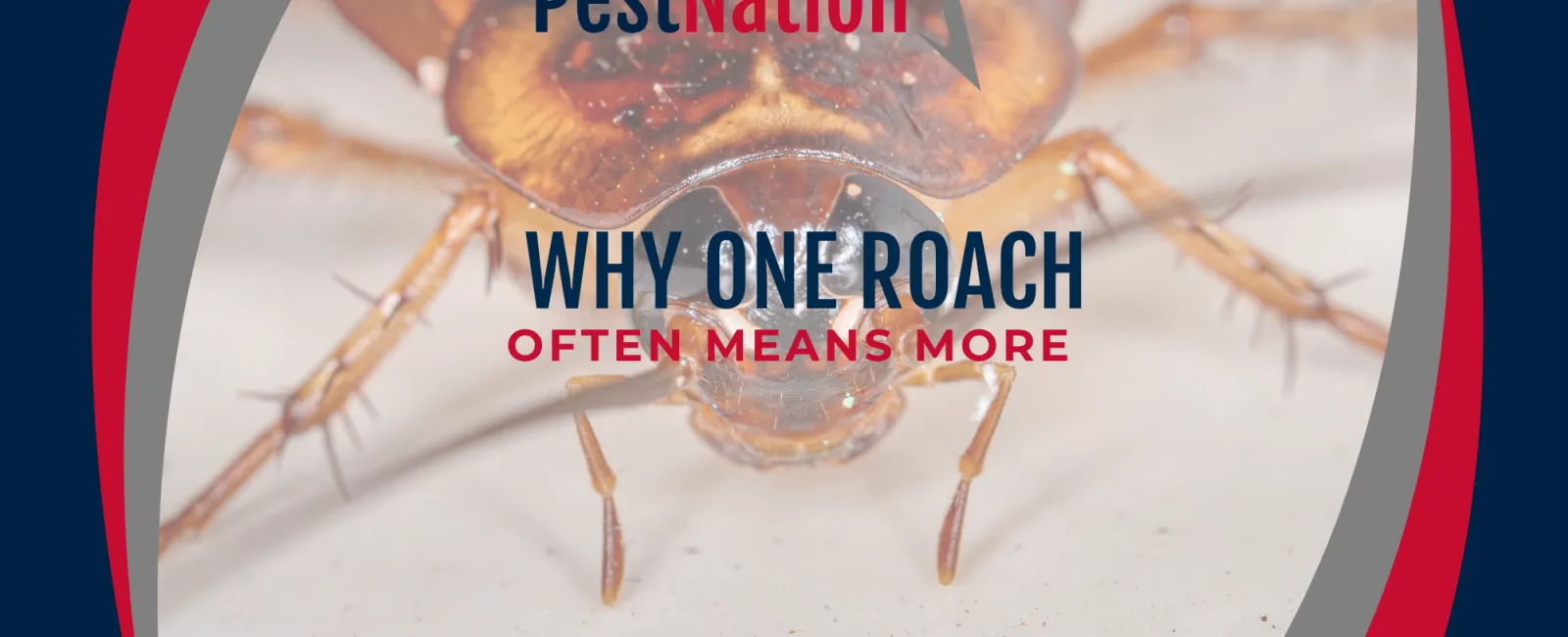
Cockroaches are among the most feared household pests, and for good reason. Few things are more unsettling than turning on a kitchen light late at night and seeing a roach disappear into a crack or behind an appliance. Many homeowners hope that the insect they spotted was a lone intruder that accidentally found its way inside. Unfortunately, in many situations, seeing a single cockroach is often a warning sign of a larger problem. Across the Southeast, including cities like Atlanta and Charlotte, as well as in Orlando and coastal communities that rely on Charleston pest control services, a single roach sighting frequently indicates the presence of a developing or established roach infestation.
One reason cockroach problems are so difficult to detect is that these pests are experts at staying hidden. Most cockroach species are nocturnal, avoid human activity, and spend the majority of their time inside wall voids, beneath appliances, behind cabinets, and in other concealed spaces. The roach you see is often only a small part of the population living nearby. Through detailed PestNation pest inspections and comprehensive Atlanta, Charlotte, Orlando, and Charleston interior and exterior pest treatments, PestNation helps homeowners identify hidden cockroaches before infestations become more severe.
Understanding why one visible roach often points to a larger infestation can help homeowners take early action, reduce pest-related risks, and avoid more extensive treatment needs in the future.
Why Cockroaches Are Rarely Alone
Cockroaches are social insects that typically live in groups. They gather in areas that provide:
- Food access
- Moisture
- Shelter
- Warm temperatures
- Protection from predators
When conditions are favorable, cockroach populations can grow quickly.
Unlike occasional invaders such as some beetles or outdoor insects, cockroaches rarely establish themselves as single individuals inside a home. If one roach has found an ideal environment, there is a strong possibility that others are nearby.
In Atlanta and Charlotte homes, kitchens, bathrooms, utility rooms, and garages often provide ideal conditions. Orlando and Charleston pest control environments frequently support year-round cockroach activity because of warm temperatures and humidity.
This is why a single sighting often warrants closer inspection.
Cockroaches Are Masters of Hiding
One reason homeowners underestimate infestations is because cockroaches spend most of their time hidden.
Common hiding locations include:
- Behind refrigerators
- Under dishwashers
- Inside cabinets
- Beneath sinks
- Wall voids
- Crawl spaces
- Attics
- Utility penetrations
These areas provide darkness, warmth, and access to food and water.
Because cockroaches remain concealed during daylight hours, homeowners may only see a small percentage of the active population.
PestNation pest inspections frequently uncover hidden cockroaches in areas homeowners rarely access.
Nocturnal Behavior Makes Detection Difficult
Cockroaches are primarily nocturnal.
They typically emerge during:
- Nighttime hours
- Low-light conditions
- Periods of minimal activity inside the home
This behavior allows them to avoid predators and human interaction.
In many cases, seeing a roach during the day may actually indicate a more significant infestation.
Why?
Because daytime sightings sometimes occur when:
- Populations become overcrowded
- Food competition increases
- Harborages become saturated
When cockroaches are forced into more visible areas, it often suggests that hidden nesting locations are already supporting a substantial population.
This makes early Pest Control intervention especially important.
The Hidden Life Cycle Behind a Roach Infestation
One visible cockroach rarely represents the full infestation because multiple life stages may already exist nearby.
A typical infestation may include:
- Adult cockroaches
- Juvenile nymphs
- Egg capsules
- Newly hatched young
Many species reproduce rapidly.
For example, certain roach species can:
- Produce dozens of offspring per egg case
- Generate multiple generations per year
- Expand populations quickly under favorable conditions
In Atlanta, Charlotte, Orlando, and Charleston pest control environments, warm conditions often accelerate reproduction.
This means a small problem can become a large infestation surprisingly fast.
Common Signs of Hidden Cockroaches
Even when only one roach has been seen, there are often additional warning signs.
Homeowners should look for:
Droppings
Cockroach droppings may resemble:
- Black pepper
- Coffee grounds
- Small dark specks
Egg Cases
Cockroach egg capsules are often found near nesting areas.
Shed Skins
As cockroaches grow, they shed their exoskeletons.
Musty Odors
Larger infestations often create a distinctive oily or musty smell.
Smear Marks
In humid environments, cockroaches may leave dark streaks along walls and surfaces.
PestNation pest inspections help identify these subtle signs before infestations worsen.
Why the Southeast Creates Ideal Conditions
The Southeast provides excellent conditions for cockroach survival.
Key contributing factors include:
- High humidity
- Warm temperatures
- Mild winters
- Frequent rainfall
These conditions support:
- Faster reproduction
- Extended activity periods
- Easier access to moisture
In Orlando and Charleston pest control environments, humidity is a major driver of cockroach activity. Atlanta and Charlotte homes also experience significant seasonal pressure, especially during warmer months.
Because cockroaches remain active for much of the year, infestations often continue growing if left untreated.
How Cockroaches Enter Homes
Many infestations begin when cockroaches gain access through structural vulnerabilities.
Common entry points include:
- Foundation cracks
- Door gaps
- Plumbing penetrations
- Utility openings
- Roofline gaps
- Crawl space vents
Once inside, cockroaches seek environments that provide food, water, and shelter.
Atlanta, Charlotte, Orlando, and Charleston interior and exterior pest treatments often focus on identifying and reducing these access points.
Preventing entry is a critical part of long-term Roach Control.
Food and Moisture Sources Attract Roaches
Cockroaches are highly adaptable and can survive on surprisingly small resources.
Common attractants include:
- Food crumbs
- Pet food
- Grease buildup
- Garbage
- Moisture from leaks
- Condensation
- Standing water
Even clean homes can develop infestations if these conditions exist.
In many cases, homeowners unknowingly provide enough resources to sustain hidden cockroach populations for extended periods.
This is why effective Pest Control focuses on environmental conditions as well as treatment.
Why DIY Treatments Often Miss the Real Problem
Many homeowners attempt to eliminate a visible roach using store-bought sprays.
While this may kill the insect that was seen, it often fails to address:
- Hidden nesting areas
- Egg capsules
- Juvenile roaches
- Structural entry points
- Environmental attractants
As a result, the infestation continues.
Professional treatment strategies focus on locating the source rather than simply treating visible activity.
This comprehensive approach is often far more effective than surface-level solutions.
The Importance of Professional Pest Inspections
A professional pest inspection helps determine whether a single sighting represents a larger infestation.
PestNation pest inspections evaluate:
- Active cockroach activity
- Hidden harborages
- Moisture conditions
- Structural vulnerabilities
- Conducive environmental factors
In Atlanta, Charlotte, Orlando, and Charleston pest control environments, inspections frequently uncover activity that homeowners were completely unaware of.
Early detection allows for faster, more targeted treatment.
Long-Term Roach Control Strategies
Successful Roach Control requires more than simply eliminating visible insects.
Atlanta, Charlotte, Orlando, and Charleston interior and exterior pest treatments may include:
- Detailed inspections
- Targeted baiting programs
- Crack and crevice treatments
- Moisture management recommendations
- Exclusion strategies
- Ongoing monitoring
This integrated approach addresses both current activity and future infestation risks.
Long-term management is often the most effective way to prevent recurring problems.
Prevention Tips for Homeowners
Homeowners can reduce the likelihood of infestation by:
- Fixing plumbing leaks
- Cleaning food preparation areas regularly
- Sealing food containers
- Reducing clutter
- Emptying trash frequently
- Sealing structural gaps
- Scheduling routine inspections
These preventative measures help reduce the conditions that attract cockroaches and support long-term Pest Control success.
Seeing a single cockroach may seem like an isolated event, but in many cases it is an early warning sign of a larger infestation. Because cockroaches are nocturnal, highly adaptive, and experts at hiding, the visible insect is often only a small part of the population living within the home. Hidden cockroaches can remain active behind walls, beneath appliances, and inside structural voids long before homeowners notice obvious signs of infestation.
For homeowners in Atlanta and Charlotte, as well as in Orlando and coastal communities served by Charleston pest control professionals, early action is critical. Through detailed PestNation pest inspections and comprehensive Atlanta, Charlotte, Orlando, and Charleston interior and exterior pest treatments, PestNation helps homeowners identify roach infestation risks before they become severe. By combining proactive Pest Control, environmental management, and long-term Roach Control strategies, homeowners can reduce infestations, protect their property, and maintain a healthier living environment throughout the year.