
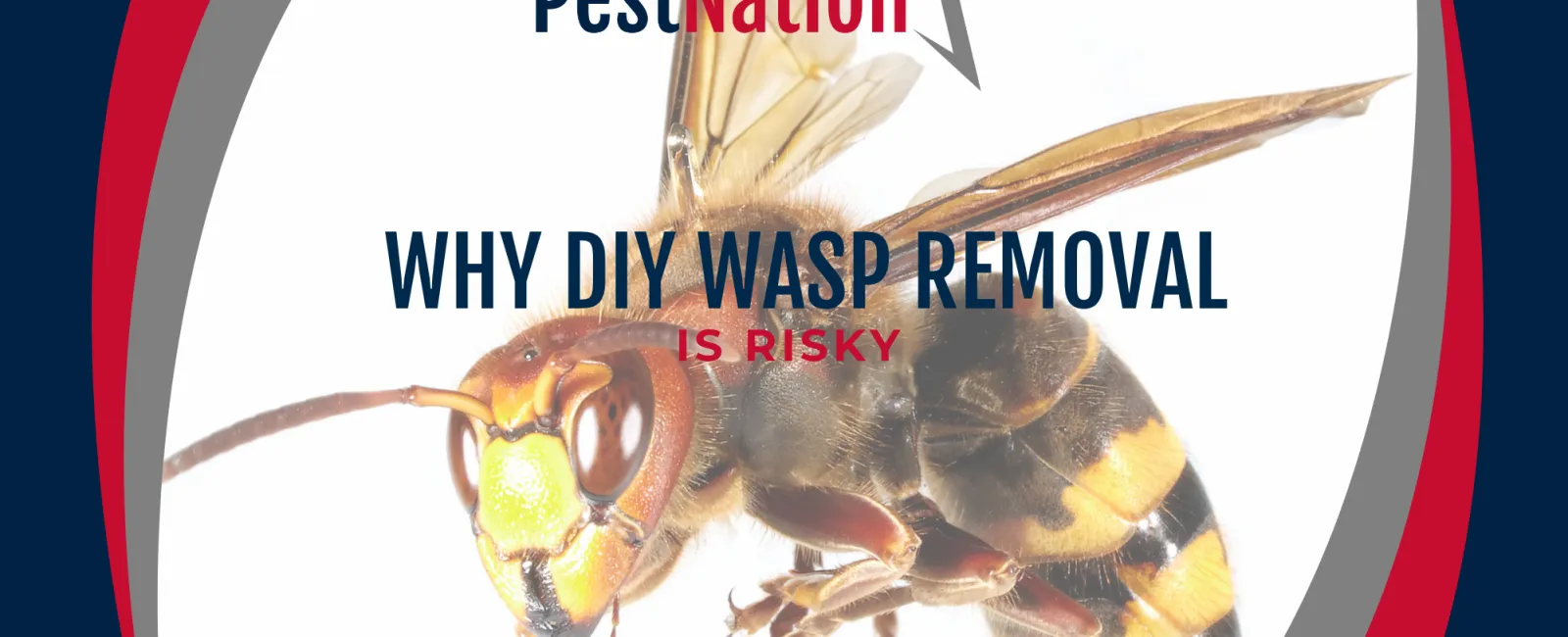
Wasp activity is a common concern for homeowners throughout the Southeastern United States, especially during the warmer months when colonies rapidly expand around homes, patios, garages, and outdoor living spaces. In cities like Atlanta and Charlotte, as well as in Orlando and coastal areas that rely on Charleston pest control services, wasps remain active for much of the year because warm temperatures and humidity create ideal nesting conditions. When homeowners discover a nest near entryways, decks, rooflines, or landscaping, many attempt to handle the problem themselves. However, DIY wasp removal can quickly become dangerous if proper precautions are not taken.
Unlike many household pests, wasps are highly defensive insects that aggressively protect their nests when threatened. A small mistake during removal can trigger swarming behavior, repeated stings, and dangerous reactions. In many cases, homeowners underestimate both the size of the colony and the risks associated with disturbing the nest. Through detailed PestNation pest inspections and comprehensive Atlanta, Charlotte, Orlando, and Charleston interior and exterior pest treatments, PestNation helps homeowners safely identify wasp activity and implement effective Wasp Control in the Southeast.
Wasp infestations are more than just a nuisance—they can create serious safety concerns when nests are located near homes or heavily used outdoor areas. Understanding why professional pest control is often the safest option can help homeowners avoid injury, reduce infestation risks, and achieve more effective long-term pest management.
Why Wasps Become Aggressive
Wasps are territorial insects that defend their nests aggressively when they sense danger.
Unlike bees, many wasp species:
- Can sting repeatedly
- React quickly to disturbances
- Attack in groups when threatened
Common wasp species found throughout the Southeast include:
- Paper wasps
- Yellowjackets
- Mud daubers
- Hornets
In Atlanta and Charlotte homes, paper wasps frequently build nests around rooflines and porches. Orlando and Charleston pest control environments often experience large yellowjacket and hornet populations due to long warm seasons and dense landscaping.
Because colonies expand rapidly during spring and summer, nests may contain hundreds of insects by late season.
This high population density increases the danger associated with DIY wasp removal.
Common Nesting Locations Around Homes
Wasps prefer protected nesting areas that provide shelter from weather and predators.
Common nesting locations include:
- Roof eaves
- Porch ceilings
- Attics
- Deck railings
- Sheds and garages
- Trees and shrubs
- Wall voids
Some nests remain highly visible, while others are concealed inside structural cavities.
PestNation pest inspections frequently uncover hidden nesting areas homeowners did not realize were active.
In Atlanta, Charlotte, Orlando, and Charleston interior and exterior pest treatments, identifying these hidden nests is critical for safe and effective wasp control.
Why DIY Wasp Removal Often Goes Wrong
Many homeowners assume wasp nests can simply be sprayed or knocked down safely. However, several factors make DIY removal highly risky.
Underestimating Colony Size
Visible nests may appear small externally while housing large populations internally.
Disturbing the nest can trigger:
- Defensive swarming
- Rapid pursuit behavior
- Multiple simultaneous stings
Incomplete Removal
Improper treatment may:
- Fail to eliminate the colony
- Leave active insects behind
- Encourage rebuilding nearby
Incorrect Timing
Wasps are often less active during cooler evening hours, but disturbing a nest at the wrong time can dramatically increase aggression.
Without proper training, homeowners may unintentionally create dangerous situations.
The Dangers of Multiple Stings
One of the biggest risks associated with DIY wasp removal is exposure to multiple stings.
Unlike bees, wasps can sting repeatedly because they do not lose their stinger after attacking.
Multiple stings may cause:
- Severe pain and swelling
- Allergic reactions
- Breathing difficulties
- Medical emergencies in sensitive individuals
Even people without known allergies can experience serious reactions after repeated stings.
In Atlanta, Charlotte, Orlando, and Charleston pest control environments, outdoor nests near entryways or recreational spaces create especially high exposure risks for families and pets.
Hidden Nests Increase Risk
Some of the most dangerous infestations involve hidden nests.
Common concealed nesting areas include:
- Inside wall voids
- Beneath siding
- Underground burrows
- Attic spaces
- Crawl spaces
Because homeowners may not realize the full extent of the infestation, disturbing hidden nests can lead to unexpected swarming activity.
Yellowjackets are especially dangerous because they frequently build underground nests that remain hidden until accidentally disturbed.
Professional pest control technicians use inspection methods designed to locate these concealed colonies safely.
Structural Risks During Removal
DIY wasp removal often requires accessing difficult areas around the home.
Homeowners may attempt removal:
- On ladders
- Near rooflines
- In attics
- Around unstable structures
These situations create additional risks including:
- Falls
- Structural accidents
- Improper chemical exposure
Professional pest control services use specialized equipment and safety procedures to reduce these hazards.
Why Store-Bought Products Often Fail
Many over-the-counter wasp sprays provide only temporary results.
Common limitations include:
- Inability to reach the entire colony
- Failure to eliminate hidden nests
- Short residual effectiveness
- Improper application techniques
Some products may kill visible insects without addressing the queen or deeper portions of the nest.
As a result, colonies may continue rebuilding or relocating nearby.
Professional pest control focuses on complete colony elimination rather than temporary suppression.
Seasonal Factors Increase Wasp Activity
The Southeast experiences extended wasp activity because of warm temperatures and mild winters.
Spring
Queens begin establishing new nests.
Summer
Colonies grow rapidly and worker populations expand.
Late Summer and Fall
Wasps become more aggressive as colonies reach peak size and food competition increases.
In Orlando and Charleston pest control environments, warm coastal conditions often extend wasp activity well into fall. Atlanta and Charlotte homes also experience increased late-season aggression due to seasonal heat.
These seasonal patterns make professional Wasp Control in the Southeast especially important during peak activity periods.
Why Wasps Return to the Same Areas
Homes with favorable nesting conditions often experience recurring infestations.
Factors that attract wasps include:
- Protected overhangs and rooflines
- Food sources around outdoor spaces
- Accessible water sources
- Dense landscaping
- Structural gaps and cavities
Without addressing these environmental conditions, new queens may establish nests in the same locations repeatedly.
PestNation pest inspections help identify the factors contributing to recurring wasp activity.
The Benefits of Professional Pest Control
Professional pest control provides a safer and more comprehensive approach to wasp removal.
Benefits include:
- Proper species identification
- Safe nest treatment procedures
- Identification of hidden nests
- Reduced sting risks
- Long-term prevention recommendations
Atlanta, Charlotte, Orlando, and Charleston interior and exterior pest treatments often include strategies designed to reduce future nesting opportunities around the property.
Professional services also help homeowners avoid the trial-and-error process often associated with DIY treatment attempts.
Preventative Wasp Control Strategies
Preventing wasp infestations is often easier and safer than dealing with mature colonies.
Important prevention measures include:
- Sealing structural gaps
- Maintaining landscaping
- Removing food attractants outdoors
- Inspecting rooflines regularly
- Scheduling routine pest inspections
These proactive steps help reduce nesting opportunities before colonies become established.
Routine PestNation pest inspections can help identify early activity before infestations grow larger and more dangerous.
Why Ongoing Monitoring Matters
Because wasps remain active throughout much of the Southeast, ongoing monitoring is essential for long-term control.
Regular inspections help:
- Detect new nest development early
- Identify seasonal increases in activity
- Reduce reinfestation risks
- Maintain treatment effectiveness
Preventative pest management often provides better long-term results than waiting until nests become fully established.
DIY wasp removal may seem like a simple solution, but it often exposes homeowners to unnecessary risks. Wasps are highly defensive insects capable of repeated stings and aggressive swarming behavior, especially when nests are disturbed improperly. Hidden colonies, structural hazards, and incomplete treatment methods make DIY approaches dangerous and frequently ineffective. In the Southeast, where warm temperatures support long periods of wasp activity, infestations can escalate quickly around homes and outdoor spaces.
For homeowners in Atlanta and Charlotte, as well as in Orlando and coastal areas served by Charleston pest control professionals, professional pest control offers the safest and most reliable solution for managing stinging insects. Through detailed PestNation pest inspections and comprehensive Atlanta, Charlotte, Orlando, and Charleston interior and exterior pest treatments, PestNation helps homeowners implement effective Wasp Control in the Southeast. By safely removing nests, identifying structural vulnerabilities, and reducing environmental attractants, homeowners can lower infestation risks and maintain safer outdoor environments throughout the year.