
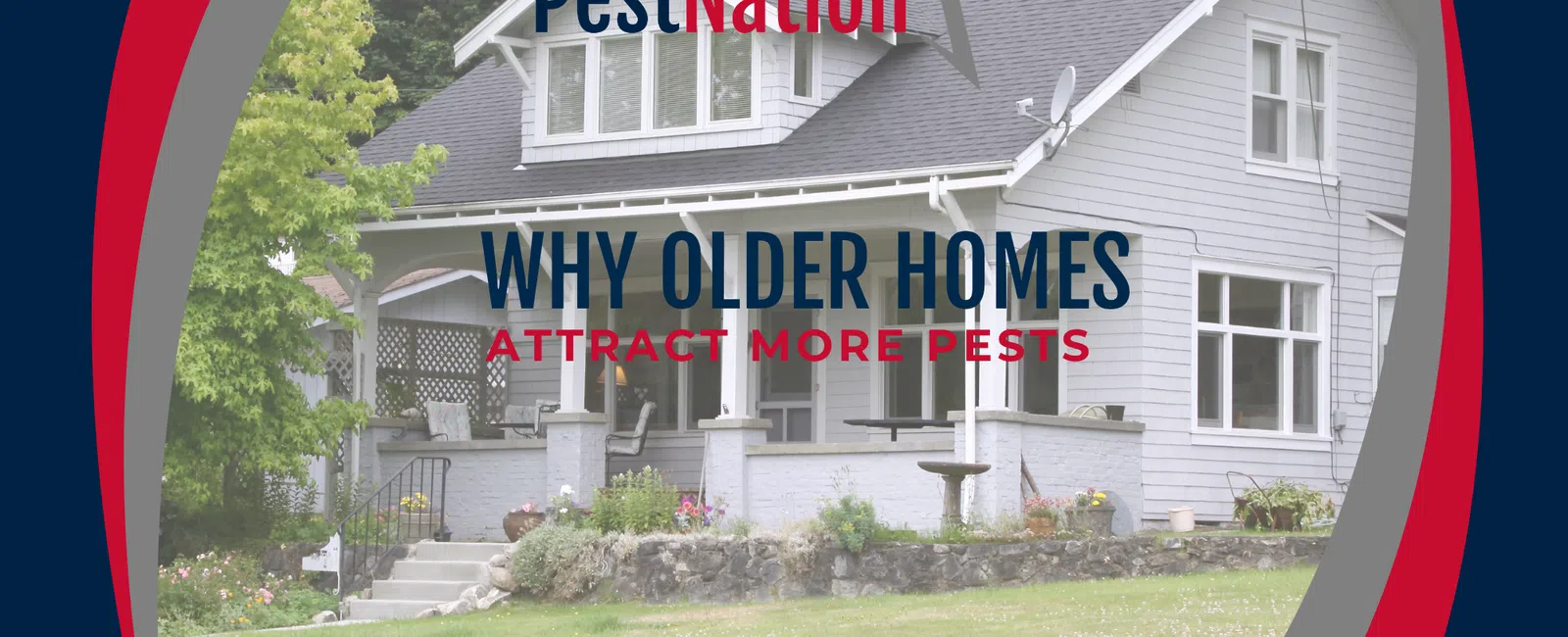
Older homes offer a lot to homeowners in the Southeast. They often feature established neighborhoods, mature landscaping, unique architectural details, hardwood floors, solid construction, and the kind of character that newer homes sometimes lack. In cities such as Atlanta, Charlotte, Orlando, and Charleston, older homes are a major part of the housing market, from historic properties in urban cores to mid-century houses in established suburban communities. But while these homes can offer charm and long-term value, they also tend to present more pest-related vulnerabilities than newer construction.
That does not mean every older home has a pest problem, but it does mean older homes often have more opportunities for pests to enter, hide, and remain undetected. Over time, homes settle, building materials age, moisture issues develop, repairs are made in phases, and landscaping matures around the structure. Those changes can create a combination of structural gaps, hidden voids, damp areas, and aging materials that are especially attractive to insects and rodents. Through detailed PestNation pest inspections and customized Atlanta interior and exterior pest treatments, Charlotte interior and exterior pest treatments, Orlando interior and exterior pest treatments, and Charleston interior and exterior pest treatments, PestNation helps homeowners understand why pests in older homes are so common and how a strong Older Home Pest Prevention plan can reduce long-term risk.
For Southeastern homeowners, this topic matters because the climate adds another layer of pressure. Warm temperatures, humidity, heavy rainfall, and long pest seasons can intensify the structural pest issues that older homes already face. When age-related vulnerabilities combine with an active pest environment, proactive Pest Control becomes essential.
Older Homes Have More Entry Points Over Time
One of the main reasons older homes attract more pests is simple: they have had more time to develop openings. Even a well-maintained home changes over the years. Materials expand and contract, foundations settle, caulking fails, weatherstripping wears out, screens tear, wood trim ages, and small repairs made at different times may leave behind gaps or inconsistencies.
Common entry points in older homes include:
- Cracks in foundations or masonry
- Gaps around aging windows and doors
- Worn door sweeps and weatherstripping
- Openings around plumbing and utility penetrations
- Damaged soffits or roofline gaps
- Crawlspace vent vulnerabilities
- Loose siding, trim, or flashing details
These openings may seem minor, but they can be enough for ants, roaches, spiders, wasps, termites, mice, and rats to gain access. Because pests do not need a large opening to enter, even small structural imperfections can become recurring pest pathways.
Aging Materials Can Create Structural Pest Issues
As homes age, some building materials naturally become more vulnerable to wear, moisture exposure, and deterioration. Wood trim may soften, subflooring may hold moisture, crawlspace framing may show signs of age, and older caulking or sealants may no longer provide the same protection they once did. These changes matter because pests are drawn to weakness, shelter, and moisture.
Structural pest issues in older homes often involve:
- Wood rot or soft wood around trim, decks, and crawlspaces
- Damaged fascia or soffit areas
- Aging subfloors and sill plates
- Settled foundation areas that create cracks or moisture intrusion
- Older roofing components that leave gaps near attic spaces
Carpenter ants, termites, cockroaches, and rodents may all benefit from these vulnerabilities. In many cases, pests are not attracted to the home because it is "old" in a general sense—they are attracted to the specific conditions that aging structures can create.
Crawlspaces in Older Homes Often Have Hidden Moisture Problems
Many older Southeastern homes have crawlspaces, and crawlspaces are one of the most common places for pest issues to begin. In older homes, these spaces may be more likely to have drainage concerns, poor ventilation, aging insulation, plumbing leaks, or wood-to-soil contact that has developed over time.
Common crawlspace conditions that attract pests include:
- Standing water or damp soil
- High humidity and condensation
- Damaged or fallen insulation
- Wood debris left from old repairs
- Gaps around vents or access doors
- Rodent nesting areas
- Termite-conducive moisture
These conditions can attract termites, roaches, ants, spiders, rodents, and other pests long before a homeowner notices activity upstairs. Because crawlspaces are out of sight, infestations can develop quietly for extended periods. This is one reason PestNation pest inspections are so valuable for older homes.
Attics and Rooflines Can Become Vulnerable With Age
The upper portions of a home are just as important as the lower ones. Older homes often have roofline details, attic vents, soffits, and fascia components that have experienced years of weather exposure. If those areas are not sealed and maintained properly, they can become easy access points for rodents, wasps, and other pests.
Common attic-related vulnerabilities include:
- Gaps at roof intersections
- Damaged vent screens
- Openings near soffits or eaves
- Loose flashing
- Deteriorated trim around dormers or chimneys
- Rodent entry points near utility lines
Once pests enter an attic, they may nest in insulation, move into wall voids, chew wiring, or remain hidden for long periods. In older homes, attic access points may be subtle enough that homeowners do not realize they exist until a pest inspection identifies them.
Mature Landscaping Can Increase Pest Pressure
Older homes often sit on older lots with established landscaping. While mature trees and shrubs add beauty and shade, they can also increase pest pressure if they are not properly maintained.
Examples include:
- Tree limbs touching the roof
- Dense shrubs against siding
- Groundcover holding moisture near foundations
- Mulch piled high against the house
- Leaf litter collecting near crawlspace vents
- Overgrown vegetation reducing airflow and increasing harborage
These conditions can create pathways and shelter for ants, roaches, rodents, spiders, mosquitoes, and stinging insects. In some cases, landscaping can make it easier for pests to move from the yard to the structure without much exposure. Atlanta pest control, Charlotte pest control, Orlando pest control, and Charleston pest control strategies often include recommendations for trimming vegetation and improving the exterior environment around older homes.
Older Plumbing and Moisture History Matter
Moisture is one of the most important factors in residential pest activity, and older homes are often more likely to have a history of leaks, repairs, or hidden moisture issues. Even if a leak was fixed years ago, the resulting damage may still create conditions pests find attractive.
Older homes may have:
- Aging supply lines or drain lines
- Historic plumbing repairs inside walls or under sinks
- Moisture-damaged cabinetry or flooring
- Poor bathroom ventilation
- Basement or crawlspace dampness
- Condensation issues around HVAC or plumbing systems
Moisture supports termites, roaches, silverfish, ants, and other pests. It can also weaken wood, making the home more susceptible to structural pest issues over time.
Older Homes Often Have More Hidden Voids and Harborage Areas
Another reason pests in older homes can be difficult to manage is that older houses often contain more hidden spaces where insects and rodents can live undisturbed. Additions, remodels, patchwork repairs, and older framing methods can create voids and inaccessible pockets that are difficult to inspect without experience.
Pests may hide in:
- Wall voids behind older plaster or paneling
- Beneath tubs and showers
- Behind original cabinetry
- Under old flooring transitions
- In unused chimneys or chases
- Around abandoned utility lines or crawlspace penetrations
These areas can allow pests to remain active without being seen, which increases the importance of regular inspections and a thoughtful pest management plan.
Historic and Older Homes May Require More Specialized Pest Prevention
Not every older home can be treated exactly like a new construction property. Historic details, original materials, crawlspace design, and preservation priorities may all affect how pest prevention is approached.
Older Home Pest Prevention often includes a combination of:
- Detailed inspection of structural gaps and vulnerable materials
- Moisture monitoring in crawlspaces, attics, and bathrooms
- Exterior treatment tailored to mature landscaping and lot conditions
- Exclusion work around doors, vents, rooflines, and utility penetrations
- Monitoring for termite activity and wood-destroying insects
- Recommendations for reducing clutter, debris, and stored harborage
The goal is not simply to react to visible pest sightings. It is to understand how the age and condition of the home influence pest risk and to build a plan around those realities.
Why Routine Pest Inspections Matter More in Older Homes
Routine inspections are important for any property, but they are especially valuable for older homes because so many pest vulnerabilities develop quietly over time. A thorough inspection can reveal:
- Early termite indicators
- Moisture problems beneath the home
- Rodent activity in attics or crawlspaces
- Entry points around aging trim, vents, and foundations
- Landscaping conditions contributing to pest pressure
- Structural concerns that may attract carpenter ants or roaches
These findings help homeowners prioritize the right improvements before a small problem becomes a larger infestation. Because older homes tend to have more variables at play, inspections are often one of the most practical tools in long-term Pest Control.
Ongoing Pest Control Helps Protect Older Homes Over Time
One-time treatments can be helpful for a specific issue, but older homes usually benefit from a more consistent approach. That is because pest pressure changes with the seasons, and the vulnerabilities of an aging home can shift as materials continue to weather and settle.
Regular Atlanta interior and exterior pest treatments, Charlotte interior and exterior pest treatments, Orlando interior and exterior pest treatments, and Charleston interior and exterior pest treatments can help by:
- Monitoring seasonal pest activity
- Addressing exterior pressure before it moves inside
- Identifying new moisture or exclusion issues
- Catching recurring problems early
- Supporting a stronger year-round prevention plan
This kind of ongoing attention is especially important in the Southeast, where warm weather allows many pests to remain active for much of the year.
Older homes often attract more pests because they tend to have more entry points, more moisture vulnerabilities, more aging materials, and more hidden spaces where pests can live undetected. In the Southeast, those age-related factors are amplified by humidity, rainfall, long pest seasons, and mature landscaping. While older homes can be wonderful properties to own, they also require a more intentional approach to pest prevention and maintenance.
For homeowners looking to reduce pest pressure in older homes, a proactive plan is the best place to start. Through detailed PestNation pest inspections and customized Atlanta pest control, Charlotte pest control, Orlando pest control, Charleston pest control, Atlanta interior and exterior pest treatments, Charlotte interior and exterior pest treatments, Orlando interior and exterior pest treatments, and Charleston interior and exterior pest treatments, PestNation helps homeowners address structural pest issues before they become larger problems. With a strong Older Home Pest Prevention strategy built around inspection, exclusion, moisture control, and ongoing Pest Control, older homes can remain both protected and comfortable for years to come.