
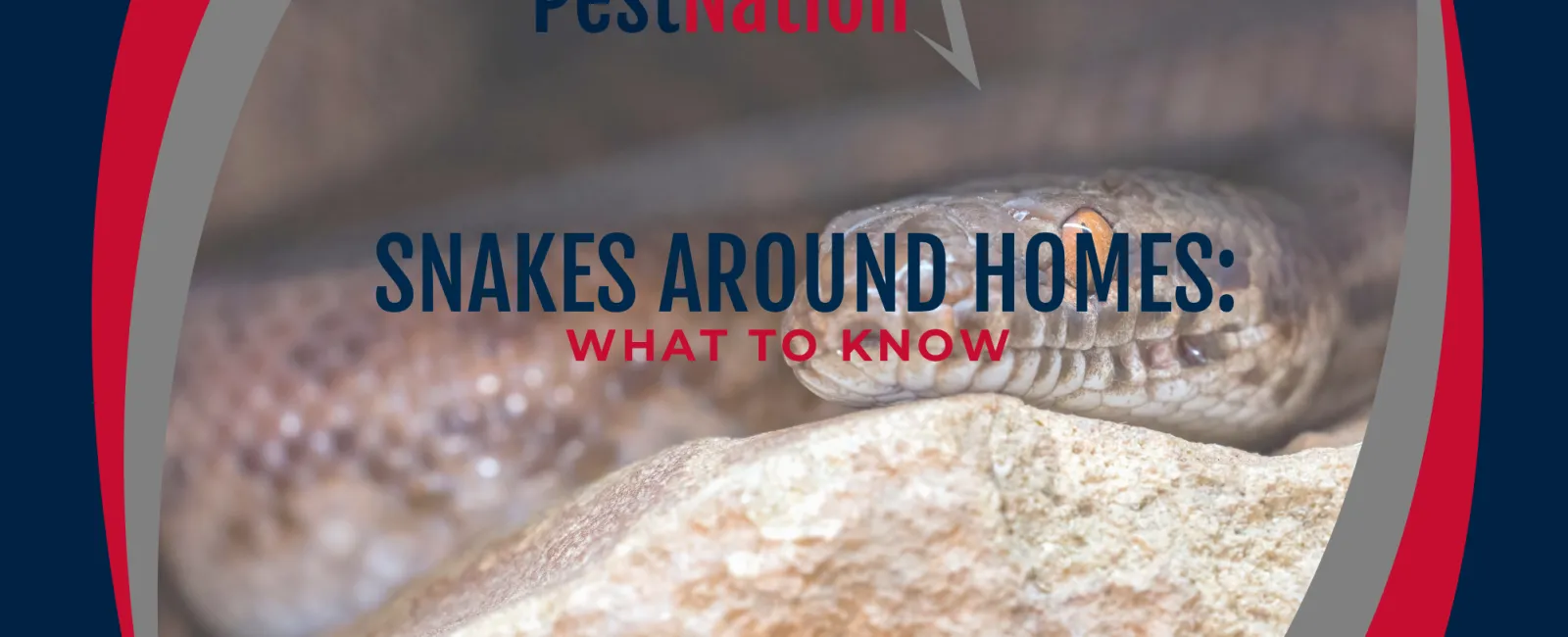
Encounters with wildlife can be unexpected, especially when they happen close to home. For many homeowners, seeing a snake—even outdoors—can raise immediate concerns about safety, property conditions, and potential entry points. While snakes are a natural part of many ecosystems, their presence near or around residential spaces often signals underlying environmental factors that should be addressed.
In a recent service visit, Licensed Technician Clint A. identified and safely handled a large snake during an inspection. While the situation itself may seem unusual, it highlights a broader reality for homeowners across the Southeast: wildlife interactions are not uncommon, particularly in regions where climate, vegetation, and natural habitats overlap with residential development. Understanding why snakes appear near homes, what conditions attract them, and how to reduce the likelihood of encounters is an important part of maintaining a safe and well-managed property.
For homeowners, the key is not panic—but awareness. Snakes typically do not seek out human interaction. Instead, they are drawn to environments that provide shelter, food, and favorable temperatures. Identifying and managing these conditions can make a significant difference in preventing unwanted encounters.
Why Snakes Appear Around Homes
Snakes are often found near homes for very specific reasons. They are not random visitors; their presence is typically tied to environmental conditions that meet their basic survival needs.
Shelter and Protection
Snakes prefer areas where they can remain hidden and protected. Around homes, this may include:
- Dense landscaping or overgrown vegetation
- Wood piles or debris stacks
- Gaps under decks or porches
- Crawl spaces or foundation openings
These areas provide cool, shaded environments that help snakes regulate their body temperature and avoid predators.
Food Sources
One of the most common reasons snakes appear near homes is the presence of prey. Snakes feed on small animals such as:
- Rodents
- Insects
- Frogs or lizards
If a property has an existing pest issue, it may unintentionally attract snakes looking for food. This is one reason why effective pest control plays a role in reducing wildlife activity.
Water and Moisture
Snakes are also drawn to areas where water is available. Moist environments support both hydration and prey activity.
Common attractants include:
- Standing water
- Poor drainage areas
- Leaky outdoor fixtures
- Irrigation runoff
Managing moisture around the home is an important step in limiting snake activity.
Common Snake Encounters in the Southeast
The Southeastern United States provides an ideal environment for many snake species due to its warm climate and diverse ecosystems. Homeowners in this region may encounter snakes more frequently than in other parts of the country.
While many snakes are non-venomous and play a beneficial role in controlling pest populations, it is not always easy for homeowners to identify species accurately. This uncertainty is often what leads to concern.
Because of this, professional Southeastern Pest Inspections can help evaluate the environment and identify conditions that may be contributing to wildlife activity.
Where Snakes Are Most Commonly Found
Snakes tend to stay close to areas that offer both shelter and access to food. Around residential properties, they are most often found in:
- Yard perimeters with dense vegetation
- Under outdoor structures such as sheds or decks
- Near garbage or compost areas
- Around crawl spaces or foundation gaps
Indoor encounters are less common but can occur if entry points are available. These entry points may include small gaps around doors, vents, or utility lines.
Understanding Snake Behavior
One of the most important things homeowners can understand about snakes is their behavior. Most snakes are not aggressive and will avoid human interaction whenever possible.
Snakes typically:
- Remain hidden during the day
- Become more active during warmer periods
- Use camouflage to blend into their surroundings
- Retreat when disturbed
In many cases, a snake will only be seen briefly before it moves away. However, repeated sightings may indicate that conditions around the property are supporting continued activity.
Why Professional Inspections Matter
When a snake is found near a home, it often indicates that environmental conditions are supporting wildlife activity. While removing the snake addresses the immediate concern, it does not eliminate the underlying factors that attracted it.
This is where professional inspections become valuable.
PestNation provides detailed inspections that focus on identifying these conditions. During Southeastern Pest Inspections, technicians evaluate both the interior and exterior of a property to determine:
- Potential entry points
- Areas of excess moisture
- Signs of pest activity that may attract wildlife
- Landscaping conditions that provide shelter
By addressing these factors, homeowners can reduce the likelihood of future encounters.
Preventing Snake Encounters Around Your Home
Preventing snake activity involves making the environment less attractive to them. Several practical steps can help reduce the chances of encountering snakes near your home.
Maintain Landscaping
Keeping grass trimmed and vegetation under control reduces hiding spots. Removing dense ground cover and trimming shrubs can make the area less appealing to snakes.
Eliminate Food Sources
Since snakes are often drawn to prey, controlling rodent and insect populations is critical. This is where consistent pest control services play an important role.Reducing pest activity reduces the likelihood of attracting snakes.
Remove Debris
Wood piles, leaf litter, and construction debris can create ideal hiding places. Keeping outdoor areas clean and organized helps eliminate shelter opportunities.
Address Moisture Issues
Fixing drainage problems and eliminating standing water reduces both snake activity and the presence of prey species.
Seal Entry Points
Inspecting the home for gaps or openings can help prevent snakes from entering interior spaces. Common areas to check include:
- Door thresholds
- Foundation cracks
- Vent openings
- Utility line penetrations
Sealing these areas helps protect the home from both pests and wildlife.
The Role of Pest Control in Wildlife Prevention
While snakes are not traditional pests, their presence is often linked to pest activity. Rodents, insects, and other small animals create a food source that attracts snakes.
This connection makes pest control an important part of wildlife prevention.
By managing pest populations, homeowners can reduce the conditions that draw snakes to their property. Regular inspections and preventative treatments help create an environment that is less supportive of both pests and wildlife.
PestNation integrates this approach into its service model, focusing on both immediate concerns and long-term prevention.
When to Call a Professional
Homeowners should consider contacting a professional if they:
- Encounter a snake near or inside the home
- Notice repeated wildlife activity
- Identify potential entry points or environmental concerns
- Are unsure how to safely handle the situation
Attempting to handle wildlife without proper training can be risky. Professional technicians are trained to assess situations safely and recommend appropriate solutions.
Long-Term Property Management
Managing wildlife activity is not a one-time task. It requires ongoing attention to property conditions and environmental factors.
Regular inspections, maintenance, and pest control services help ensure that the home remains protected over time.
By taking a proactive approach, homeowners can reduce the likelihood of unexpected encounters and maintain a safer living environment.
Encounters with snakes can be surprising, but they often provide valuable insight into the conditions around a home. Rather than viewing these situations as isolated incidents, homeowners can use them as an opportunity to evaluate their property and identify areas for improvement.
Understanding what attracts snakes—such as shelter, food sources, and moisture—allows homeowners to take practical steps toward prevention. Maintaining clean outdoor spaces, addressing pest activity, and sealing entry points all contribute to a more controlled environment.
Professional inspections offer an added layer of protection by identifying factors that may not be immediately visible. With the support of PestNation and routine Southeastern Pest Inspections, homeowners can better understand their property and make informed decisions about pest control and wildlife prevention.
A proactive approach not only reduces the likelihood of future encounters but also helps create a safer, more comfortable home environment.