
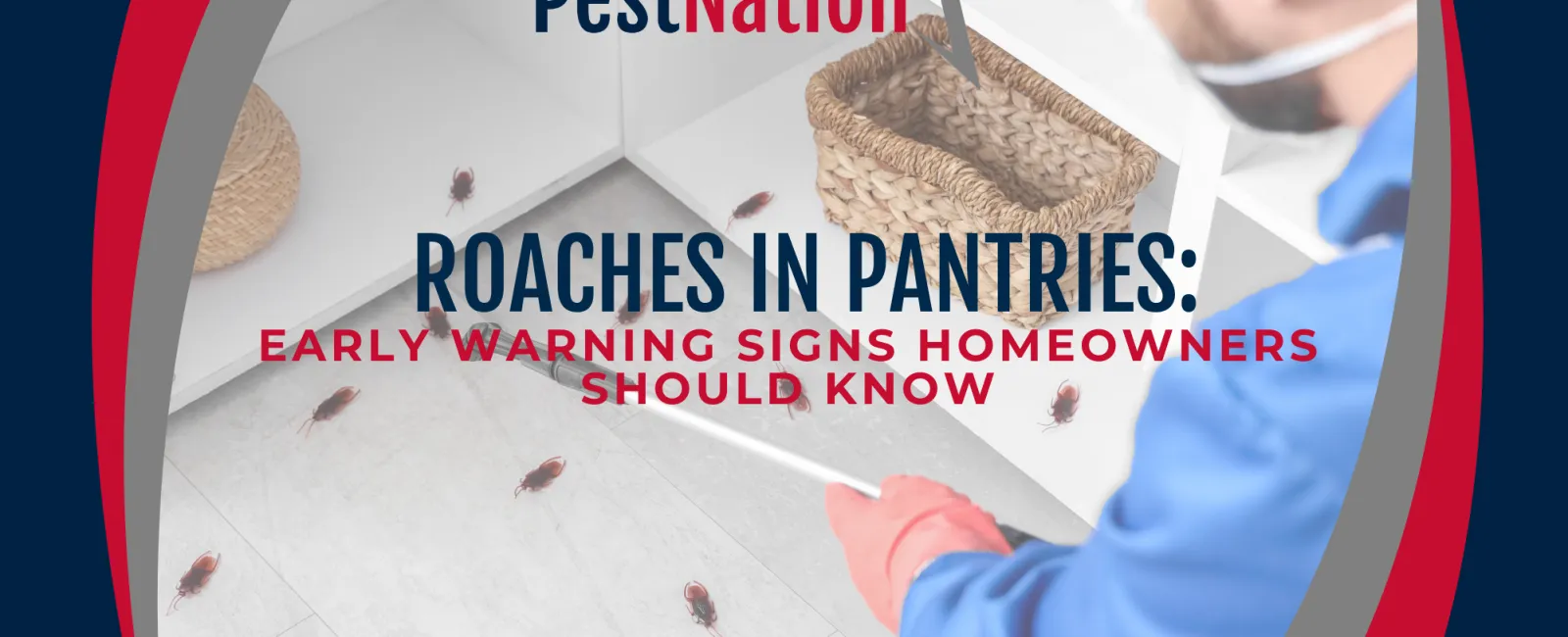
Pantries are designed to store food safely and conveniently, but they can sometimes become an unexpected hotspot for pest activity. Among the pests most commonly found in food storage areas are cockroaches. These resilient insects are known for their ability to hide in tight spaces, reproduce quickly, and thrive in environments where food and shelter are readily available.
During a recent service visit, PestNation technician Sergio identified what appears to be early evidence of roach activity inside a pantry area. Situations like this illustrate how easily cockroaches can establish themselves in places that homeowners may not inspect regularly. While kitchens often receive the most attention when it comes to cleaning and pest prevention, pantry shelves and storage corners can sometimes go unnoticed.
Understanding why cockroaches are attracted to pantries, recognizing the early warning signs of infestations, and taking preventative measures can help homeowners protect their food storage areas and maintain a cleaner living environment.
Why Pantries Attract Roaches
Pantries naturally provide several conditions that cockroaches need to survive. Food storage areas often contain dry goods such as grains, cereals, flour, and snacks. Even small amounts of spilled food can provide enough nutrition to sustain roaches.
Additionally, pantry areas often offer dark, undisturbed spaces that cockroaches prefer for hiding. These pests typically avoid light and remain hidden during the day, becoming active at night when homes are quiet.
Because of these factors, pantries can become attractive environments for cockroaches if sanitation or storage practices are not maintained consistently.
Professional Atlanta, Charlotte, Charleston pest control services frequently identify food storage areas as key locations where infestations begin.
Early Signs of Roach Activity in Pantries
Roaches often leave behind subtle signs before they are actually seen. Identifying these indicators early can help homeowners address the issue before infestations become larger.
Droppings
Roach droppings are one of the most common indicators of activity. These droppings often resemble small dark specks or fine pepper-like debris.
They may appear:
-
On pantry shelves
-
Along corners of cabinets
-
Behind stored food containers
-
Near wall edges
Accumulations of droppings can indicate that cockroaches are actively using the area.
Shed Skin and Debris
Cockroaches shed their outer skins as they grow. These shed pieces may appear as small fragments near hiding areas.
Finding shed skins or debris inside a pantry suggests that roaches have been present for some time and may be reproducing nearby.
Egg Casings
Cockroach egg cases, known as oothecae, are another sign of infestation. Each egg case can contain multiple developing roaches, which means populations can grow rapidly once eggs hatch.
Egg casings are often hidden in dark areas such as:
-
Shelf corners
-
Under stored food items
-
Along wall seams
Increased Roach Sightings
Although cockroaches prefer to stay hidden, occasional sightings during nighttime hours can indicate an established infestation.
Seeing roaches during daylight hours often suggests a more advanced problem, as overcrowding forces them out of hiding.
How Roaches Enter Pantry Areas
Cockroaches can enter homes in several ways. Small gaps around doors, windows, and plumbing lines often provide entry points from outside environments.
Once inside, roaches quickly seek out locations where food is accessible and hiding places are available.
Common entry pathways include:
-
Cracks around exterior doors
-
Gaps around utility pipes
-
Open windows or vents
-
Grocery bags or food packaging
Because cockroaches can flatten their bodies to squeeze into extremely small openings, even tiny gaps can allow them to enter a home.
Why Roaches Are Difficult to Eliminate
Cockroaches are known for their resilience and adaptability. Several characteristics make them particularly challenging pests to control.
First, they reproduce quickly. A single female cockroach can produce multiple egg cases during her lifetime, each containing several developing roaches.
Second, they hide extremely well. Roaches prefer narrow spaces where they can remain undisturbed.
Third, they are nocturnal. Because they are mostly active at night, homeowners may not see them during regular daytime activity.
These factors allow infestations to develop gradually while remaining largely unnoticed.
Routine PestNation pest inspections help detect these hidden infestations before they become widespread.
Health Concerns Associated With Roaches
Cockroaches are not only unpleasant to encounter—they can also present potential health risks.
Roaches often travel through unsanitary areas before entering homes. As they move across surfaces, they may carry bacteria that can contaminate food preparation areas.
Additionally, cockroach allergens are known to trigger asthma symptoms and allergic reactions in some individuals.
Because pantries contain food storage areas, controlling cockroach activity is especially important for maintaining a safe kitchen environment.
Professional Atlanta, Charlotte, Charleston pest control services often focus heavily on cockroach prevention for this reason.
Preventing Roach Problems in Pantries
Preventative measures can significantly reduce the likelihood of cockroach infestations in pantry spaces.
Store Food in Airtight Containers
Dry goods such as flour, cereal, pasta, and pet food should be kept in sealed containers rather than open packaging.
This helps eliminate easy food access for pests.
Clean Shelves Regularly
Pantry shelves should be wiped down regularly to remove crumbs and food residue.
Vacuuming corners and edges can help remove small particles that may attract pests.
Rotate Food Supplies
Using older food items first helps prevent forgotten or expired products from sitting in the pantry for long periods.
Expired food can become a potential pest attractant.
Reduce Moisture
Although pantries are typically dry environments, nearby plumbing leaks or humidity can create conditions that roaches prefer.
Maintaining a dry environment helps discourage pest activity.
Interior and Exterior Pest Treatments
Effective cockroach control usually requires a combination of indoor and outdoor pest management strategies.
Professional Atlanta, Charlotte, Charleston interior and exterior pest treatments address the conditions that allow roaches to survive around homes.
These treatments often include:
-
Exterior perimeter treatments
-
Monitoring potential entry points
-
Identifying harborages inside the home
-
Preventative pest management strategies
By addressing pest activity both inside and outside the home, technicians help reduce the chances of infestations developing.
The Role of Professional Pest Inspections
Because cockroaches hide in tight, hard-to-reach spaces, professional inspections are one of the most effective ways to identify infestations early.
During PestNation pest inspections, trained technicians evaluate both the interior and exterior of the home to locate potential pest activity and contributing conditions.
Inspection areas often include:
-
Kitchen cabinets and pantries
-
Appliance areas
-
Plumbing spaces
-
Wall voids and structural gaps
Identifying these factors allows pest professionals to recommend solutions that address the root cause of infestations.
Pantries play an important role in household food storage, but they can also attract pests when certain conditions are present. Cockroaches are particularly drawn to these environments because they provide easy access to food, shelter, and darkness.
Although cockroaches are highly adaptable pests, early detection and preventative practices can significantly reduce the risk of infestations.
Recognizing the warning signs of roach activity—such as droppings, shed skins, and hidden debris—can help homeowners respond before infestations become more severe.
Maintaining good sanitation habits, sealing food containers, and inspecting pantry areas regularly are important steps in protecting food storage areas from pests.
Professional pest management services provide an additional layer of protection by identifying hidden pest activity and addressing the conditions that allow infestations to develop.
PestNation continues to help homeowners maintain pest-free homes with professional pest management services, including detailed PestNation pest inspections and comprehensive Atlanta, Charlotte, and Charleston interior and exterior pest treatments designed to protect homes throughout the Southeast.