
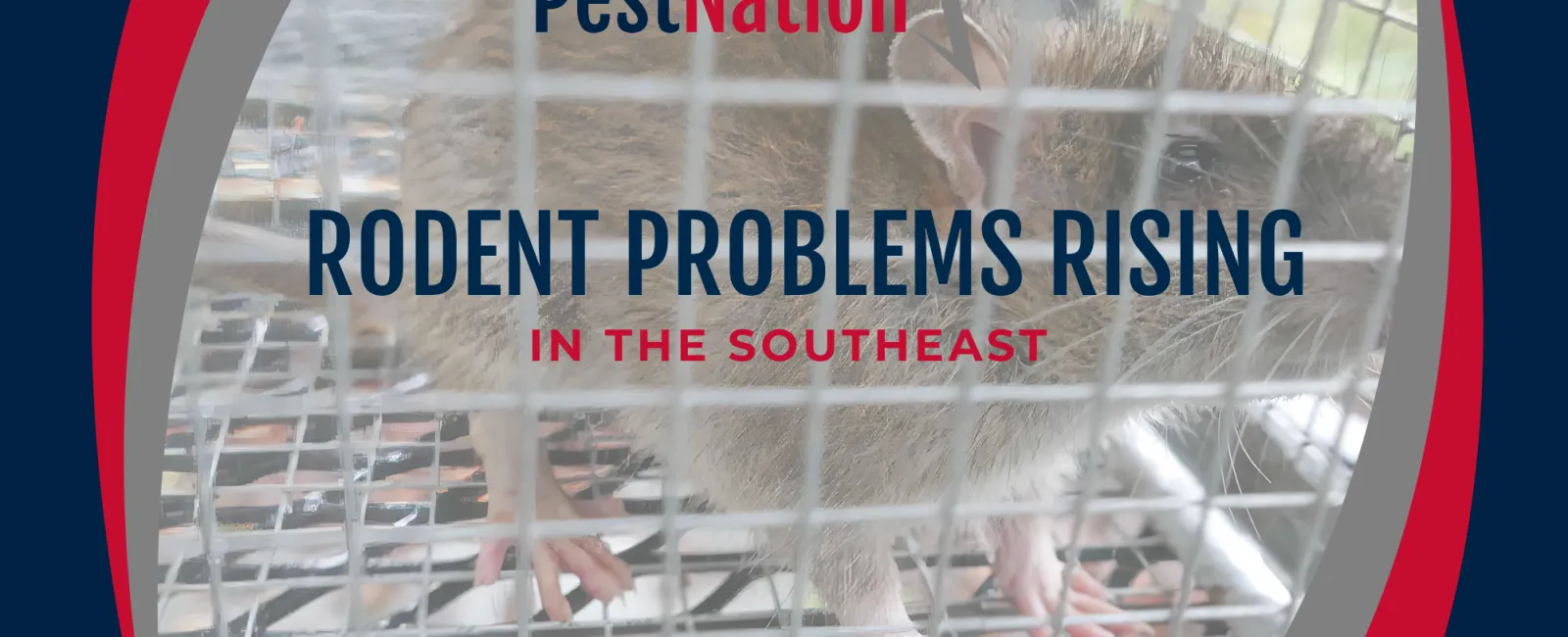
Rodents have long been a concern for property owners, but across the Southeastern United States, the problem is becoming more pronounced. From dense urban neighborhoods in Atlanta to fast-growing suburbs in Charlotte and historic coastal communities relying on Charleston pest control services, homeowners are reporting increased rodent activity in both residential and commercial settings. Shifts in climate patterns, expanding development, and changing waste management dynamics are contributing to a noticeable rise in rodent infestation cases.
Unlike seasonal pest issues that fade with temperature changes, rodents adapt quickly to environmental pressures. Their ability to squeeze through tiny openings, reproduce rapidly, and exploit structural vulnerabilities makes rodent control particularly challenging in the Southeast. Understanding why rodents are becoming more prevalent—and what truly works to manage them—helps homeowners take proactive steps before minor activity escalates into a full-scale infestation.
Climate Conditions Favor Rodent Survival
The Southeast's mild winters and long warm seasons provide ideal conditions for rodent survival. In colder regions, prolonged freezes naturally suppress rodent populations. However, cities like Atlanta and Charlotte rarely experience sustained freezing temperatures, allowing rats and mice to remain active throughout the year.
Coastal areas such as Charleston present additional challenges. Humidity, abundant vegetation, and access to food sources from residential and commercial development create stable habitats. Rodents thrive in:
-
Crawl spaces and attics
-
Dense landscaping
-
Sewer systems
-
Storm drains
-
Construction sites
Because seasonal die-offs are minimal, rodent control in the Southeast must focus on continuous management rather than periodic response.
Rapid Urban Expansion and Habitat Displacement
Population growth in metropolitan regions like Atlanta and Charlotte has led to rapid construction and land clearing. While development brings new housing and business opportunities, it also displaces wildlife—including rodents.
When wooded areas are cleared for subdivisions or commercial properties, rodents seek shelter in nearby structures. Newly built homes are not immune; in fact, construction gaps and unfinished landscaping can provide easy access points.
In Charleston pest control environments, coastal development often disrupts natural rodent habitats, pushing them into attics, crawl spaces, and garages. The result is an increase in rodent infestation reports in both new and older properties.
Structural Vulnerabilities in Homes and Buildings
Rodents require very little space to enter a structure. Mice can squeeze through openings as small as a dime, while rats need only slightly larger gaps. Many Southeastern homes—particularly those with crawl spaces or aging foundations—contain entry points that go unnoticed.
Common vulnerabilities include:
-
Gaps around utility penetrations
-
Damaged vent screens
-
Cracked foundations
-
Worn door sweeps
-
Unsealed attic vents
Without proper Rodent Exclusion in the Southeast, even a well-maintained property may experience recurring problems. Professional PestNation pest inspections identify these weaknesses before they become major entry routes.
Abundant Food Sources
Urban and suburban environments offer rodents consistent access to food. Garbage bins, pet food, bird feeders, compost piles, and even improperly stored pantry items provide reliable nutrition.
In cities such as Atlanta and Charlotte, densely populated neighborhoods increase food availability. Multifamily housing, restaurants, and commercial spaces create concentrated feeding opportunities. In Charleston pest control cases, tourism-driven restaurant districts can also attract rodents to surrounding residential areas.
Because rodents are opportunistic feeders, even small sanitation lapses can contribute to a rodent infestation. Effective rodent control, therefore, requires a combination of structural exclusion and environmental management.
Reproduction Rates and Population Growth
Rodents reproduce rapidly. A single pair of mice can produce dozens of offspring in a matter of months under favorable conditions. With mild winters in Atlanta and Charlotte, breeding continues for much of the year.
Roof rats, common in coastal regions like Charleston, are particularly adept climbers. They often nest in attics and upper structural voids, making detection difficult until damage becomes visible.
Unchecked reproduction allows minor rodent activity to escalate quickly. This is why early intervention through PestNation pest inspections is critical for preventing larger infestations.
Health and Property Risks
Rodents pose more than a nuisance. They can cause significant structural and health concerns, including:
-
Contaminated food supplies
-
Droppings and urine accumulation
-
Chewed electrical wiring
-
Insulation damage
-
Spread of bacteria and parasites
In humid Southeastern climates, moisture combined with rodent debris can worsen indoor air quality. Electrical damage from gnawing also increases fire risk.
Comprehensive rodent control protects both property integrity and occupant health.
Why DIY Solutions Often Fail
Homeowners frequently attempt to manage rodent infestation with traps or store-bought baits. While these tools may capture individual rodents, they rarely address root causes.
Common shortcomings include:
-
Failure to identify entry points
-
Improper trap placement
-
Inadequate sanitation adjustments
-
Ignoring nesting areas
Without professional evaluation, rodents continue entering through unnoticed gaps. Effective Rodent Exclusion in the Southeast requires sealing access points, not just removing visible animals.
The Importance of Professional Exclusion Strategies
Long-term rodent control depends heavily on exclusion. This involves physically preventing rodents from reentering a structure after removal.
Professional exclusion strategies may include:
-
Sealing foundation gaps with durable materials
-
Installing metal mesh barriers
-
Reinforcing attic vents
-
Securing crawl space access points
-
Upgrading door sweeps
Atlanta, Charlotte, Charleston interior and exterior pest treatments often combine exclusion with monitoring stations and targeted baiting. This integrated approach addresses both immediate rodent activity and long-term prevention.
Interior and Exterior Coordination
Rodent management requires attention to both inside and outside conditions. Exterior conditions often drive interior infestations.
Effective Charleston interior and exterior pest treatments consider:
-
Landscaping adjustments
-
Garbage storage practices
-
Drainage improvements
-
Tree trimming away from rooflines
-
Perimeter bait station placement
In Atlanta and Charlotte, coordinated treatment plans reduce migration from neighboring properties and shared green spaces.
Seasonal Movement Patterns
Although rodents remain active year-round in the Southeast, seasonal behavior still influences infestation patterns. During cooler months, rodents seek warmth indoors. In rainy seasons, they move away from flooded burrows into higher ground—often attics and upper walls.
Understanding these patterns allows PestNation to implement timely interventions. PestNation pest inspections may reveal increased activity during transitional weather periods, prompting proactive rodent control measures.
Commercial and Multifamily Challenges
High-density environments amplify rodent concerns. Restaurants, apartment complexes, warehouses, and retail spaces in Atlanta and Charlotte face unique risks due to constant food availability and structural complexity.
In Charleston pest control settings, mixed-use developments near waterfronts can also create access points for roof rats and Norway rats.
Coordinated building-wide strategies are essential. Treating one unit without addressing adjacent spaces often leads to reintroduction.
The Role of Ongoing Monitoring
Because rodents adapt quickly, ongoing monitoring is essential. Routine inspections allow technicians to:
-
Evaluate exclusion integrity
-
Monitor bait station activity
-
Identify new vulnerabilities
-
Adjust treatment plans
Rodent Exclusion in the Southeast is not a one-time service. Continuous evaluation helps maintain long-term results, particularly in rapidly growing metro areas like Atlanta and Charlotte.
Rodents are a growing problem in the Southeast due to a combination of climate, development, structural vulnerabilities, and abundant food sources. Mild winters allow populations to remain active year-round, while urban expansion displaces wildlife into residential and commercial structures. Once inside, rapid reproduction and hidden nesting sites make rodent infestation difficult to manage without professional intervention.
For homeowners and businesses in Atlanta, Charlotte, and coastal communities relying on Charleston pest control providers, comprehensive rodent control must extend beyond trapping. Through detailed PestNation pest inspections and strategic Atlanta, Charlotte, Charleston interior and exterior pest treatments, long-term Rodent Exclusion in the Southeast becomes achievable. By addressing both environmental factors and structural weaknesses, property owners can significantly reduce infestation risks and protect their investments against future rodent activity.