
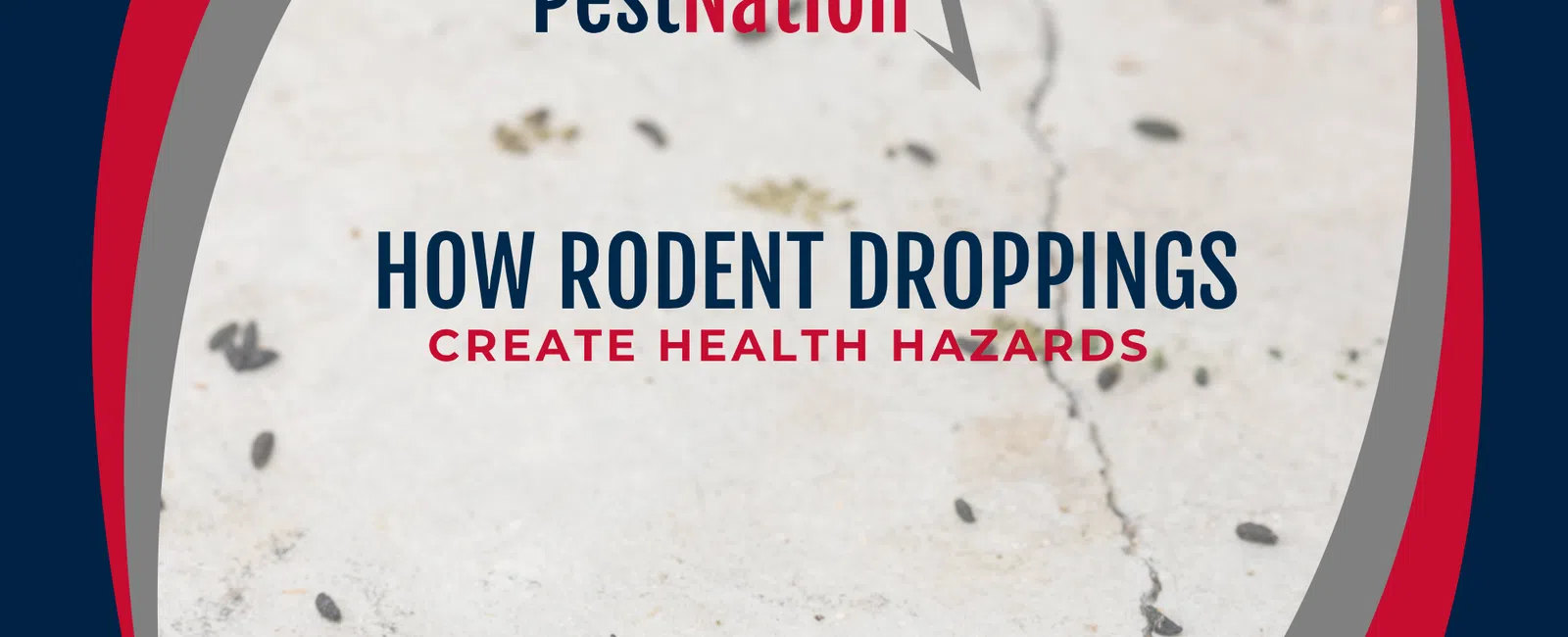
Finding mouse or rat droppings inside a home deserves careful attention, but it should not automatically be treated as evidence that someone will become ill. Rodent droppings, urine, saliva, and contaminated nesting materials can potentially expose people to pathogens, and the circumstances surrounding that exposure matter. The location, amount of contamination, rodent species, geography, environmental conditions, and way contaminated materials are handled can all influence potential risk.
Understanding rodent droppings health risks is especially important because cleanup methods matter. Dry sweeping or vacuuming rodent waste is not recommended by the Centers for Disease Control and Prevention (CDC). Instead, homeowners should follow current public-health guidance designed to reduce the possibility of contaminated particles becoming airborne. Safe cleanup is one part of the response; effective pest sanitation also involves determining why rodents were present, correcting entry points and food sources, and monitoring for additional activity.
Why Rodent Droppings Deserve Careful Attention
Droppings are one of the most recognizable signs of rodent activity. They may be discovered in kitchens, garages, attics, crawlspaces, sheds, cabinets, storage areas, or along walls where rodents have been traveling.
The concern is not simply that droppings are unpleasant. Rodents and their waste can potentially be associated with pathogens. Contamination may involve:
- Droppings
- Urine
- Saliva
- Nesting materials
- Contaminated surfaces
The presence of these materials does not confirm that a particular pathogen is present. It does mean cleanup should be approached carefully and according to appropriate public-health recommendations.
The CDC - Rodent Control explains that rodents can potentially spread diseases through waste, bites, contaminated food, and other forms of exposure. This supports taking rodent evidence seriously while also focusing on prevention through sanitation, exclusion, and reducing the conditions that support continued activity.
Why You Should Not Sweep or Vacuum Dry Rodent Waste
One of the most important points for homeowners to understand is what not to do.
The CDC - How to Clean Up After Rodents specifically advises against sweeping or vacuuming rodent urine, droppings, or nesting materials before they have been properly disinfected. Disturbing dry contaminated materials in this way can cause potentially contaminated particles to become airborne.
This is particularly important in enclosed or infrequently disturbed areas where droppings may have accumulated.
A vacuum cleaner may seem like the quickest way to remove droppings from a garage, attic, cabinet, or storage room, but dry vacuuming is not an appropriate first step. The same applies to sweeping dry waste with a broom.
Homeowners should consult and follow the CDC's current cleanup instructions rather than improvising a cleanup method.
CDC Guidance Should Direct Safe Rodent Cleanup
The CDC cleanup resource provides the detailed procedure homeowners should follow when addressing rodent urine, droppings, and nesting material.
At a high level, the guidance addresses:
- Ventilating affected spaces when appropriate
- Using suitable personal protection
- Wetting and disinfecting contaminated materials
- Removing waste without dry sweeping or vacuuming
- Disposing of contaminated material appropriately
- Cleaning affected surfaces
Because cleanup recommendations can change, homeowners should refer directly to the CDC - How to Clean Up After Rodents for the complete, current procedure rather than relying on abbreviated instructions.
This is especially important before entering or cleaning areas that have been closed or undisturbed for extended periods.
Why Airborne Particles Are a Concern
Dry rodent waste can break apart when disturbed.
Activities such as sweeping or vacuuming can move small particles into the surrounding air. That is why CDC guidance emphasizes wet cleanup and disinfection rather than disturbing contaminated materials while they are dry.
The potential risk depends on the circumstances. Finding a few droppings does not mean a person has been exposed to a disease, and rodent waste should not be assumed to contain a specific pathogen.
The practical takeaway is simpler: treat rodent contamination carefully and use current CDC recommendations to reduce unnecessary exposure.
Hantavirus Is One Example of a Rodent-Associated Disease
Hantavirus is one reason public-health agencies provide specific guidance for cleaning rodent-contaminated areas.
The CDC - About Hantavirus explains that hantaviruses are carried by certain rodents and that people can become infected through particular types of exposure to infected rodents, their urine, droppings, or saliva.
However, finding mouse or rat droppings does not confirm the presence of hantavirus.
Risk varies according to factors such as:
- Rodent species
- Geography
- Environmental conditions
- Type and extent of exposure
This distinction is important. Rodent droppings health risks should be taken seriously without assuming that every rodent-contaminated area presents the same disease risk.
Hantavirus Prevention Includes Avoiding Unnecessary Exposure
The CDC - Preventing Hantavirus provides guidance for reducing contact with rodents and their waste, including recommendations related to rodent-proofing and safe cleanup.
This reinforces an important principle: cleanup and prevention should work together.
Removing contaminated materials addresses existing evidence, while preventing rodents from returning helps reduce the chance of new contamination developing.
If someone has concerns about possible exposure or illness, those questions should be directed to an appropriate healthcare professional and current public-health guidance. Pest-control professionals can evaluate rodent activity and structural conditions, but pest-control services are not a substitute for medical advice.
Where Rodent Contamination Is Commonly Found
Rodents tend to use protected areas where they can travel, feed, or nest with limited disturbance.
Homeowners may discover contamination in:
- Attics
- Crawlspaces
- Garages
- Sheds
- Cabinets
- Pantries
- Storage areas
- Utility spaces
- Areas along walls
- Spaces behind stored materials
Contamination may be concentrated around nesting locations or travel routes.
Attics and crawlspaces deserve particular attention because they can remain undisturbed for long periods, potentially allowing evidence to accumulate before homeowners recognize activity.
Boxes, Insulation, and Stored Materials Can Become Contaminated
Storage areas can provide rodents with both shelter and nesting material.
Cardboard boxes, paper, fabric, insulation, and other materials may be damaged or incorporated into nests.
Rodents may also leave urine or droppings on stored belongings as they travel.
Clutter can make the problem more difficult to evaluate because it creates numerous concealed spaces and limits visibility.
Reducing unnecessary clutter after contaminated materials have been handled safely can improve future inspection and monitoring.
Food-Storage Areas Require Particular Attention
Rodents may contaminate areas where food is stored.
Potential evidence includes:
- Gnawed packaging
- Droppings
- Damaged containers
- Spilled food
- Nesting material
Pantry products, pet food, bird seed, and other stored foods can attract rodents if accessible.
If rodent activity is discovered around food-storage areas, homeowners should follow appropriate food-safety and public-health guidance for potentially contaminated products rather than assuming that damaged packaging is the only concern.
Droppings Can Also Reveal Rodent Travel Patterns
Droppings are not only a sanitation concern. Their location can provide useful information about rodent activity.
Repeated evidence along walls, behind appliances, near stored food, or around utility areas may help identify:
- Travel routes
- Feeding areas
- Harborage
- Entry points
Rodents often move through protected edges rather than open areas.
Mapping where droppings repeatedly appear can therefore help guide a professional inspection.
Other Signs Can Help Confirm Rodent Activity
Droppings should be evaluated alongside other evidence.
Additional signs may include:
- Gnaw marks
- Nesting material
- Damaged food packaging
- Scratching or movement sounds
- Rub marks
- Repeated sightings
Accurate identification matters because not every dropping or sound necessarily comes from a mouse or rat.
A PestNation Pest Inspection can help determine what type of pest is present and whether evidence suggests active or historical rodent activity.
Cleaning Is Only One Part of Pest Sanitation
Proper cleanup is important, but removing droppings does not explain why rodents were present.
Effective pest sanitation considers the conditions supporting rodent activity.
These may include:
- Accessible food
- Structural openings
- Clutter
- Harborage
- Outdoor rodent pressure
If these conditions remain after cleanup, rodents may return and new contamination can develop.
That is why long-term rodent management should combine sanitation with inspection, exclusion, monitoring, and appropriate control measures.
Food Sources Can Encourage Rodents to Remain
Mice and rats are opportunistic feeders.
Common residential food sources include:
- Pet food
- Bird seed
- Garbage
- Pantry products
- Fallen fruit
- Outdoor food residue
Food can be available indoors or outside.
For example, rodents may initially be attracted to bird seed outdoors and later explore a garage or crawlspace if structural openings provide access.
Reducing accessible food helps make the property less supportive of recurring rodent activity.
Structural Openings Should Be Investigated
Rodents require a way to enter before they can contaminate an interior space.
Potential entry areas include:
- Exterior doors
- Garage doors
- Foundations
- Utility penetrations
- Vents
- Rooflines
- Crawlspace openings
- Attic components
Professional Pest Exclusion focuses on identifying and addressing accessible structural openings that rodents may use.
This is particularly important when droppings reappear after cleanup.
Removing contamination without addressing entry points can result in a repeating cycle of cleanup followed by new evidence.
Recurring Droppings May Indicate Continued Activity
Fresh droppings appearing after an area has been properly cleaned can be an important monitoring clue.
Recurring evidence may suggest rodents are still:
- Entering the structure
- Traveling through the area
- Feeding nearby
- Using hidden harborage
It does not automatically indicate a large infestation.
However, repeated evidence deserves investigation, particularly when it appears in several locations or is accompanied by gnawing, nesting material, sounds, or sightings.
Monitoring after cleanup can help determine whether activity continues.
Large Accumulations May Require Additional Precautions
A few droppings in an accessible location are different from extensive contamination in a confined attic, crawlspace, shed, or other enclosed area.
Large accumulations, extensive nesting material, or heavily contaminated spaces may require additional precautions.
The CDC cleanup guidance addresses different contamination situations and should be consulted before cleanup begins.
When homeowners are uncertain about the extent of contamination or cannot safely access the area, professional assistance may be appropriate.
Pest professionals can help evaluate rodent activity and access points. Depending on the circumstances, specialized cleanup services may also be appropriate for extensive contamination.
Pest Control and Medical Guidance Have Different Roles
Professional Rodent Control focuses on the pest problem itself.
That can include identifying:
- Rodent species
- Entry points
- Food sources
- Harborage
- Travel routes
- Evidence of continuing activity
Medical questions require a different type of expertise.
Anyone concerned about illness, symptoms, or a possible exposure to rodent-associated pathogens should consult an appropriate healthcare professional and current public-health guidance.
PestNation can help evaluate the property, but pest-control services do not diagnose or treat illness.
Integrated Pest Management Supports Long-Term Prevention
A comprehensive rodent strategy combines several measures instead of relying on cleanup alone.
That may include:
- Accurate identification
- Monitoring
- Pest sanitation
- Food-source reduction
- Clutter management
- Structural exclusion
- Habitat modification
- Appropriate professional control
Each component addresses a different part of the problem.
Cleanup reduces existing contamination. Exclusion helps limit reentry. Sanitation reduces resources. Monitoring helps determine whether activity continues.
Together, these measures provide a more complete approach to rodent prevention.
Rodent Concerns Across Southeastern Homes
For homeowners seeking Atlanta Pest Control, Charlotte Pest Control, Orlando Pest Control, or Charleston Pest Control, rodent evidence may appear in different types of residential environments, from attics and garages to crawlspaces and outdoor storage areas.
Climate, building design, landscaping, and seasonal conditions can influence rodent activity, but the basic response remains evidence-based: handle contamination safely, identify the rodent, investigate food and shelter, and determine how the animal is accessing the structure.
PestNation Pest Inspections can help evaluate droppings and other evidence while identifying likely entry points and conducive conditions. When appropriate, professional Residential Pest Control, Rodent Control, and Pest Exclusion can address active rodent concerns and help reduce opportunities for recurring entry.
Understanding rodent droppings health risks begins with recognizing that rodent waste should be handled carefully without assuming that every dropping contains a dangerous pathogen. Droppings, urine, saliva, and nesting material can potentially expose people to pathogens, and public-health guidance is designed to reduce unnecessary contact during cleanup.
The most important cleanup principle is clear: do not dry sweep or vacuum rodent urine, droppings, or nesting material. Homeowners should follow the current CDC - How to Clean Up After Rodents guidance for ventilation, disinfection, personal protection, waste handling, and other cleanup procedures. Anyone concerned about illness or possible exposure should contact an appropriate healthcare professional.
Safe cleanup is only one component of effective pest sanitation. If rodents still have access to food, shelter, cluttered harborage, or structural openings, contamination can return. Inspecting doors, foundations, vents, rooflines, utility penetrations, garages, crawlspaces, and attics can help identify the conditions contributing to activity.
When droppings repeatedly return, contamination is extensive, or activity occurs in inaccessible areas, professional evaluation can help determine what is happening. Through PestNation Pest Inspections, Rodent Control, and Pest Exclusion, homeowners can address the rodent activity itself while using CDC guidance to make informed decisions about safe cleanup and exposure prevention.