
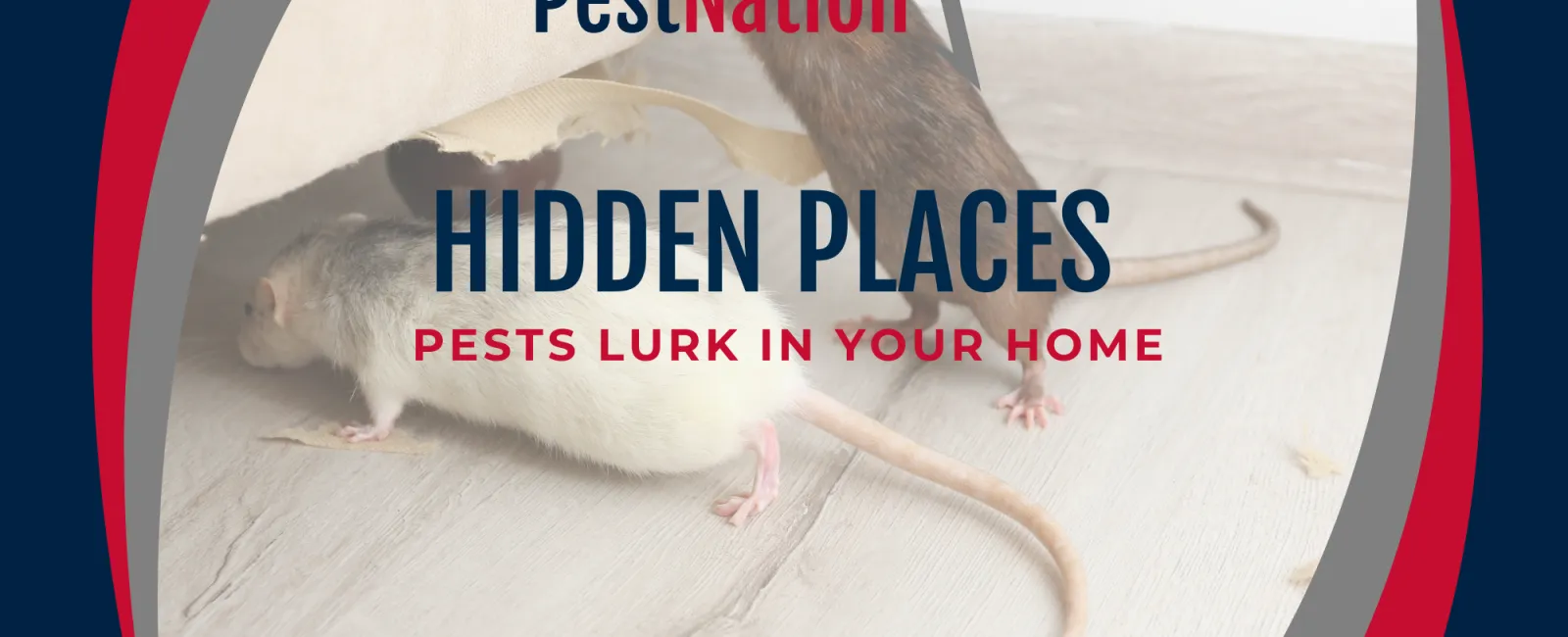
Pests are experts at hiding in places homeowners rarely check. From insects to rodents, many species take advantage of small cracks, dark corners, and cluttered spaces to establish colonies and reproduce undetected. While most people think of kitchens, bathrooms, and basements as the main areas for infestations, professional experience shows that the majority of pest activity goes unnoticed in more subtle or overlooked locations. Ignoring these spaces allows pests to thrive, potentially causing structural damage, contaminating food, and spreading disease.
PestNation routinely identifies these hidden infestations during PestNation pest inspections in Atlanta, Charlotte, and Charleston. Professional interior and exterior pest treatments combined with proactive quarterly services are essential to address both visible and concealed pest activity. Homeowners who focus solely on visible areas often experience recurring problems because the root of the infestation remains untreated. Understanding where pests hide is the first step toward comprehensive pest prevention and control.
1. Behind Appliances
Appliances such as refrigerators, ovens, dishwashers, and washing machines provide warmth, darkness, and access to food particles or water. Rodents, cockroaches, and ants often congregate behind and beneath these units. Despite regular kitchen cleaning, debris accumulates in hard-to-reach spaces, creating ideal habitats for pests.
Professional pest control in Atlanta, Charlotte, and Charleston targets these hidden areas using specialized tools and treatments. Charleston interior and exterior pest treatments often include targeted dust, gel baits, and non-repellent sprays to eliminate pests where DIY methods fail.
2. Inside Wall Voids and Baseboards
Walls are perfect hiding places for pests seeking shelter from humans and predators. Rodents frequently tunnel through wall cavities, while ants, spiders, and termites establish colonies in voids or behind baseboards. Small gaps around electrical outlets, switches, and plumbing allow easy access.
Homeowners rarely inspect these areas, making infestations difficult to detect until visible damage appears. PestNation pest inspections involve thorough checks of wall voids, baseboards, and structural gaps, ensuring pests are detected early and properly treated.
3. Attics and Crawl Spaces
Attics and crawl spaces are notorious for hosting rodents, bats, spiders, and other pests. These areas often have little human traffic, providing warmth, nesting materials, and protection from seasonal weather. Moisture issues, insulation gaps, and stored items exacerbate the problem, creating ideal breeding environments.
Routine quarterly services can help maintain pest-free attics and crawl spaces. In Atlanta, Charlotte, and Charleston, professionals perform inspections and targeted interior and exterior pest treatments to prevent infestations before they spread to living spaces.
4. Inside Cabinets and Pantries
Food storage areas, especially those with crumbs, spills, or improperly sealed containers, attract ants, cockroaches, and rodents. Even minor oversights, such as leaving cereal boxes or pet food open, can lead to significant infestations. Pests often enter through small gaps along cabinet edges or behind pantry shelves, making them difficult to detect with casual observation.
Professional pest control strategies include sealing entry points, applying non-repellent treatments, and recommending proper food storage practices. Charleston pest control experts emphasize this dual approach to ensure infestations are fully addressed.
5. Under Furniture and Behind Upholstery
Dark, undisturbed areas under couches, beds, and cabinets often conceal pests like spiders, carpet beetles, and cockroaches. Rodents may also gnaw on furniture legs or hide within upholstery. These areas are rarely cleaned thoroughly, allowing pests to remain undetected for months.
Professional interior and exterior pest treatments can target these spaces, reaching areas where DIY sprays are ineffective. Regular monitoring and inspections help prevent reinfestation in these hard-to-see zones.
6. Ceiling and Light Fixtures
Ceiling corners, light fixtures, and ceiling fans may harbor spiders, ants, and flying insects. Cracks around fixtures provide entry points and concealment, especially for pests seeking warmth near electrical wiring. Overhead spaces are often overlooked during routine cleaning, making these ideal hiding places.
During PestNation pest inspections, technicians check these areas carefully, applying treatments in a way that reaches hidden pests without damaging household fixtures. This level of precision is difficult to achieve with consumer-grade products.
7. Laundry Rooms and Utility Areas
Moisture and warmth in laundry rooms, utility closets, and water heater areas attract cockroaches, silverfish, and rodents. Damp clothes, leaky pipes, and warm appliances provide food and water sources for pests. Even a small plumbing leak can create an environment that sustains multiple pest species.
Atlanta, Charlotte, and Charleston interior and exterior pest treatments often include these areas because treating visible surfaces alone rarely addresses the full infestation.
8. Stored Items and Seasonal Decor
Boxes, holiday decorations, and unused equipment stored in attics, garages, or basements are perfect nesting materials. Rodents and insects often burrow into cardboard, fabric, or insulation. Piles of items provide cover, reduce airflow, and allow pests to multiply unnoticed.
Professional services like quarterly services include organizing and treating these spaces to minimize pest attraction. By addressing storage areas during scheduled visits, homeowners prevent pests from gaining a foothold.
9. Outdoor Perimeters and Entry Points
Many infestations begin outside the home but go unnoticed until pests move indoors. Overgrown shrubs, woodpiles, and clutter near foundations provide shelter for rodents, ants, and spiders. Small cracks in foundations, gaps around doors and windows, and vent openings offer easy access indoors.
Charleston pest control, along with Atlanta and Charlotte interior and exterior pest treatments, focuses on perimeter treatments and exclusion strategies. Sealing entry points, trimming vegetation, and removing debris are critical steps in preventing infestations from starting.
10. HVAC Systems and Ductwork
HVAC systems provide warmth, darkness, and access to airflow that pests use for travel. Rodents, cockroaches, and spiders often infest ductwork or attic air handlers. Once inside, pests can spread to multiple areas of the home without detection.
Professional inspections include checking HVAC systems, applying targeted treatments, and recommending preventive measures such as sealing gaps and installing mesh covers. These steps reduce the likelihood of recurring infestations.
Why Professional Pest Control Matters
DIY pest control often focuses on visible pests, leaving hidden populations untouched. Overlooking areas like wall voids, attics, or HVAC systems allows infestations to persist or return. PestNation pest inspections identify these overlooked spaces, ensuring that infestations are addressed comprehensively. Interior and exterior pest treatments provide targeted, long-lasting solutions that are difficult to achieve with over-the-counter products.
Routine quarterly services in Atlanta, Charlotte, and Charleston are particularly valuable because pests frequently exploit seasonal changes to move and reproduce. Continuous monitoring allows professionals to detect early signs of activity and adjust treatment plans before infestations escalate.
Pests are experts at finding hidden areas to live, reproduce, and thrive in your home. From behind appliances and inside wall voids to attics, storage spaces, and HVAC systems, the majority of infestations go unnoticed by homeowners until damage becomes visible. Ignoring these overlooked locations allows pests to multiply, increasing the risk of structural damage, food contamination, and health hazards.
Professional services offered by PestNation, including PestNation pest inspections, interior and exterior pest treatments, and ongoing quarterly services, provide comprehensive protection. By addressing hidden pest habitats in Atlanta, Charlotte, and Charleston, homeowners can prevent infestations, protect property, and maintain a safe, healthy living environment. Understanding where pests hide is the first step toward long-term prevention and effective control.