
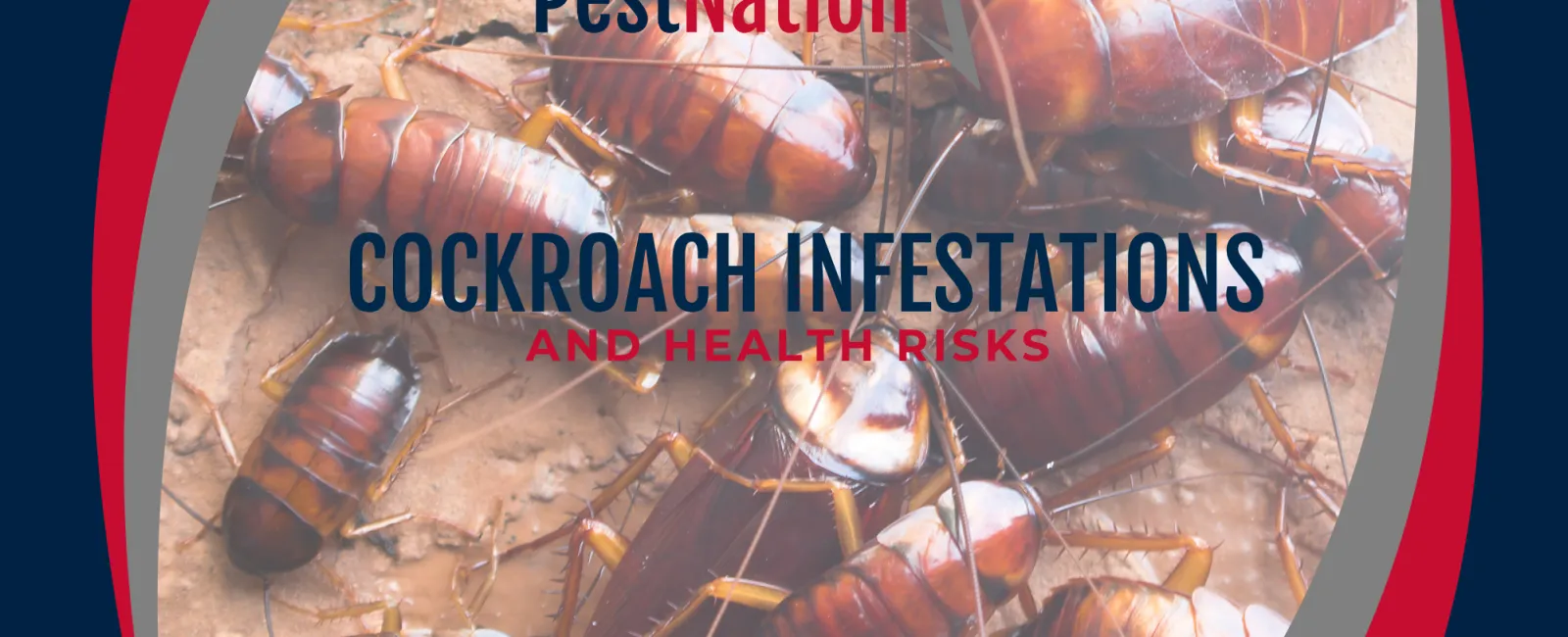
Cockroaches are more than just an unpleasant household nuisance—they can pose serious health concerns for homeowners and families. Across the Southeastern United States, cockroach activity is particularly common due to warm temperatures, high humidity, and dense urban environments. Cities like Atlanta and Charlotte regularly experience year-round infestations, while coastal regions relying on Charleston pest control services often see increased activity due to moisture-rich conditions. These environmental factors allow cockroach populations to thrive, making cockroach control a critical priority for maintaining a safe and healthy home.
While many people associate cockroaches with unsanitary conditions, the real concern lies in the health risks they introduce. From triggering allergies to spreading harmful bacteria, cockroaches can significantly impact indoor air quality and overall well-being. Understanding cockroach health risks and how infestations affect your home environment is essential for taking proactive steps toward prevention and treatment. Through detailed PestNation pest inspections and comprehensive Atlanta, Charlotte, Charleston interior and exterior pest treatments, PestNation helps homeowners identify infestations early and reduce exposure to these hidden health hazards.
Cockroach infestations often develop quietly, with pests hiding behind walls, inside appliances, and in plumbing areas. By the time visible activity increases, the population may already be large enough to create noticeable health concerns. Recognizing the connection between cockroach problems and health risks allows homeowners to act quickly and implement effective pest management strategies.
Why Cockroaches Are a Health Concern
Cockroaches are known to live in unsanitary environments such as sewers, drains, garbage areas, and decaying organic matter. As they move through these environments, they pick up bacteria, pathogens, and allergens on their bodies.
When cockroaches enter homes, they can transfer these contaminants onto:
- Kitchen surfaces
- Food preparation areas
- Utensils and dishes
- Pantry items
- Floors and countertops
Because cockroaches frequently travel between contaminated environments and living spaces, they act as carriers of harmful microorganisms. In cities like Atlanta and Charlotte, dense housing and shared infrastructure can increase the likelihood of cockroach movement between buildings. In Charleston pest control environments, high humidity and aging infrastructure often provide additional pathways for cockroach activity.
These behaviors make cockroach control essential not only for comfort but also for maintaining a healthy indoor environment.
Bacterial Contamination and Food Safety
One of the most significant cockroach health risks is bacterial contamination. Cockroaches are capable of carrying a variety of harmful bacteria, including those associated with foodborne illnesses.
As cockroaches move across surfaces, they can deposit bacteria through:
- Their legs and bodies
- Saliva
- Droppings
- Shed skins
Common bacteria associated with cockroach activity include organisms linked to food poisoning, gastrointestinal illness, and infections.
In kitchens across Atlanta and Charlotte, cockroach problems can lead to contamination of food storage areas if infestations are not addressed promptly. Charleston pest control professionals often encounter similar risks in humid environments where cockroaches are attracted to moisture and food sources.
Even minor infestations can pose a risk if cockroaches come into contact with food or preparation surfaces. Maintaining proper sanitation and implementing professional cockroach control measures are essential for reducing these risks.
Allergies and Respiratory Issues
Cockroach allergens are a major concern for indoor air quality. Proteins found in cockroach droppings, saliva, and shed body parts can become airborne and trigger allergic reactions.
Roach allergies are particularly common in environments where infestations are prolonged. These allergens can accumulate in dust and circulate throughout the home, especially in areas with poor ventilation.
Common symptoms associated with roach allergies include:
- Sneezing and nasal congestion
- Itchy or watery eyes
- Skin irritation
- Coughing or wheezing
Children and individuals with preexisting respiratory conditions may be especially sensitive to cockroach allergens.
In cities like Atlanta and Charlotte, where indoor living spaces are often tightly sealed for energy efficiency, allergens can become concentrated indoors. Charleston pest control environments may experience additional challenges due to humidity, which can contribute to the persistence of airborne particles.
Reducing cockroach populations through professional pest management is a key step in improving indoor air quality.
Asthma Triggers
Cockroach allergens are also known to trigger asthma symptoms. In fact, exposure to cockroach-related allergens is considered a significant factor in asthma development and exacerbation, particularly in urban environments.
Individuals with asthma may experience:
- Increased frequency of attacks
- Difficulty breathing
- Chest tightness
- Persistent coughing
In homes with ongoing cockroach problems, these symptoms may worsen over time. This is especially concerning in densely populated areas such as Atlanta and Charlotte, where shared housing structures can contribute to persistent infestations.
Effective cockroach control is critical for reducing asthma triggers and maintaining a healthier indoor environment.
Contamination of Living Spaces
Cockroaches do not limit their activity to kitchens. They often travel throughout the home, contaminating various surfaces along the way.
Areas commonly affected include:
- Bedrooms
- Living rooms
- Bathrooms
- Storage areas
- Laundry spaces
Because cockroaches are nocturnal, homeowners may not realize the extent of contamination occurring overnight. Droppings, shed skins, and bacteria can accumulate in hidden areas such as behind furniture, inside cabinets, and beneath appliances.
PestNation pest inspections often reveal contamination in areas homeowners rarely inspect. Identifying these hidden problem areas is essential for developing an effective treatment plan.
Psychological and Emotional Impact
In addition to physical health risks, cockroach infestations can also have psychological effects. The presence of cockroaches in a home can cause stress, anxiety, and discomfort for occupants.
Homeowners may experience:
- Difficulty sleeping
- Increased stress levels
- Embarrassment or social concerns
- Reduced sense of comfort in the home
In cities like Atlanta and Charlotte, where fast-paced lifestyles already contribute to stress, pest infestations can add another layer of concern.
Addressing cockroach problems promptly helps restore peace of mind and improve overall quality of life.
Why Cockroach Infestations Are Common in the Southeast
The Southeastern United States provides ideal conditions for cockroach populations to thrive. Warm temperatures allow cockroaches to remain active year-round, while humidity supports their reproduction.
Urban environments such as Atlanta and Charlotte provide abundant food sources and shelter opportunities. In Charleston pest control scenarios, coastal moisture and aging infrastructure often create additional pathways for cockroach activity.
Because cockroaches can survive in a wide range of environments, infestations can occur in both clean and cluttered homes. This adaptability makes proactive pest management essential for preventing cockroach problems.
The Importance of Professional Pest Inspections
Detecting cockroach infestations early is key to minimizing health risks. PestNation pest inspections provide a thorough evaluation of both interior and exterior areas to identify signs of activity.
During inspections, technicians assess:
- Kitchen and food storage areas
- Plumbing and moisture sources
- Structural entry points
- Evidence of droppings or egg cases
- Hidden nesting locations
In Atlanta, Charlotte, and Charleston pest control environments, these inspections help identify the extent of the infestation and guide targeted treatment strategies.
Early detection allows homeowners to address infestations before health risks become more severe.
Integrated Cockroach Control Strategies
Effective cockroach control requires a comprehensive approach that addresses both the infestation and the conditions that support it.
Professional pest management strategies may include:
- Gel bait applications targeting nesting areas
- Insect growth regulators to disrupt reproduction
- Crack and crevice treatments
- Sanitation recommendations
- Monitoring for ongoing activity
Atlanta, Charlotte, Charleston interior and exterior pest treatments often combine indoor treatments with exterior protection to reduce reinfestation risk.
Because cockroaches are highly adaptable, ongoing monitoring and preventative measures are essential for long-term success.
Cockroach infestations pose significant health risks that extend far beyond simple inconvenience. From bacterial contamination and food safety concerns to roach allergies and asthma triggers, the presence of cockroaches can impact both physical health and overall well-being. In the Southeastern United States, where environmental conditions allow cockroach populations to thrive, these risks are especially relevant for homeowners in cities like Atlanta, Charlotte, and coastal areas served by Charleston pest control professionals.
Through proactive pest management, detailed PestNation pest inspections, and comprehensive Atlanta, Charlotte, Charleston interior and exterior pest treatments, homeowners can reduce cockroach health risks and maintain safer living environments. Effective cockroach control not only eliminates current infestations but also helps prevent future problems, ensuring that homes remain clean, comfortable, and protected from one of the most persistent pests in the region.