

Best Pest Control Service in Hudson
Trust PestNation to eliminate those unwanted guests,
creating a pest-free environment for your family to enjoy!

Dedicated Pest Control
Proudly Serving Hudson and beyond
Owned by two industry veterans and supported by exceptional leadership, we've been fortunate to experience rapid growth and expand into multiple markets across the Southeast. As a family-owned, people-first company, we operate with a culture of integrity, care, and community focus. Every technician is background-checked, licensed, and professionally trained, ensuring the highest standard of service at every visit.
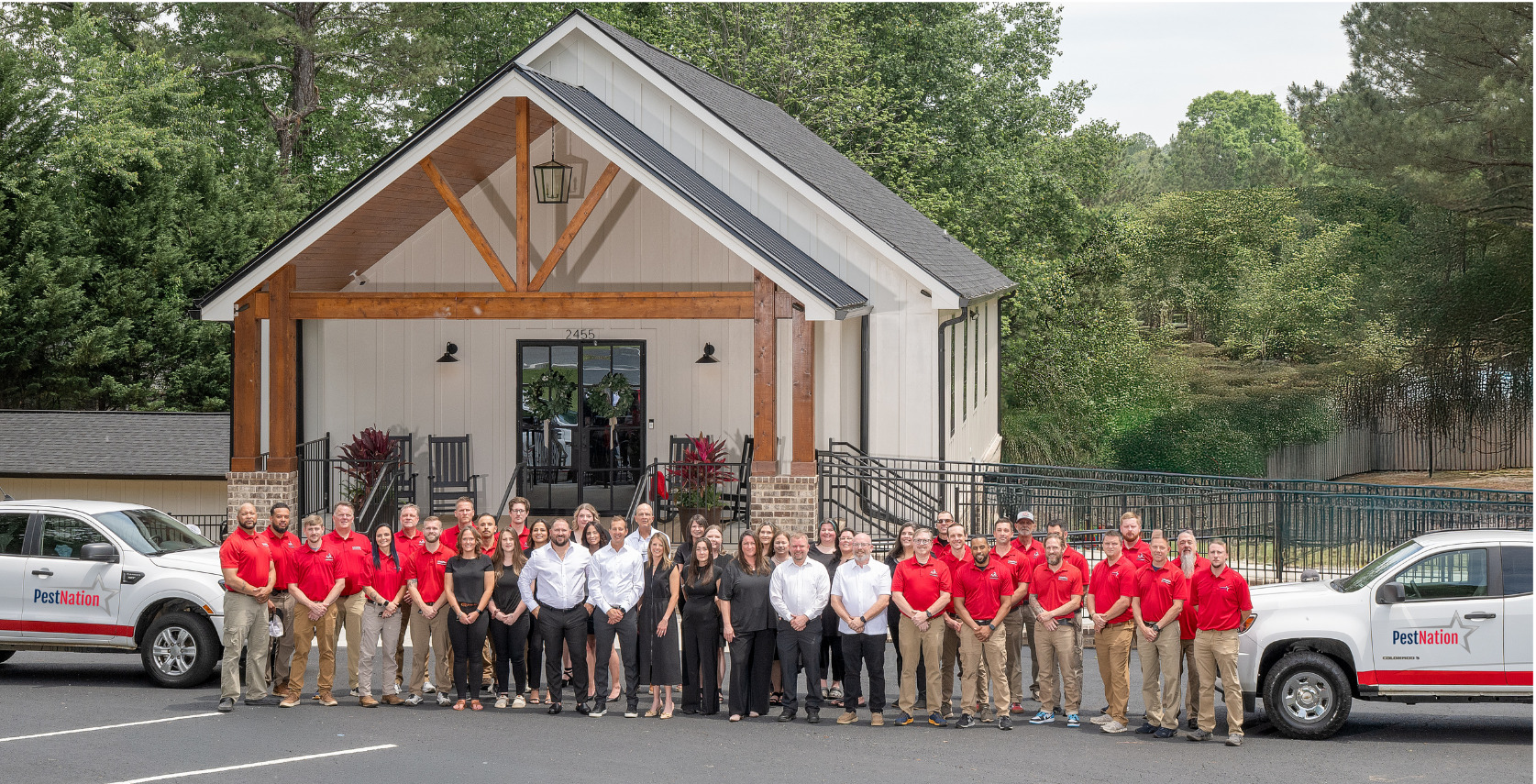
What truly sets us apart is our commitment to epic service and communication. You'll always reach a locally based support team, receive real-time text and email updates with technician photos and ETAs, and have access to an easy-to-use customer portal for scheduling and billing. With guaranteed services and some of the strongest warranties in the industry, our team is dedicated to delivering prompt, reliable, and trustworthy pest solutions you can count on.
Decades
Dozens
Thousands

A Brief History of Hudson
Hudson is a town located in eastern Caldwell County in the foothills of western North Carolina, with a history shaped by agriculture, industrial development, and long-standing community traditions. Its story reflects the broader economic and social changes that influenced many small towns in the Piedmont and foothill regions of the state.
Before European settlement, the land surrounding present-day Hudson was inhabited by Native American tribes who made use of the region's forests, streams, and fertile valleys for hunting and seasonal settlement. European-American settlers began arriving in the late 1700s, drawn by arable land and access to waterways. These early settlers established small farms, growing crops such as corn and wheat while raising livestock for local use and trade.
Caldwell County was formed in 1841, and the area that would become Hudson remained primarily rural throughout much of the 19th century. Farming dominated daily life, and the community developed slowly around homesteads, churches, and small schools. The absence of large plantations meant that agriculture was conducted on a modest scale, reinforcing close-knit social and economic ties among residents.
A significant shift occurred in the late 19th and early 20th centuries with the rise of textile manufacturing in western North Carolina. The establishment of cotton mills in the area marked Hudson's transition from a purely agricultural settlement to an industrial community. The mills provided employment opportunities that attracted workers from surrounding rural areas, prompting population growth and the development of housing and local businesses.
Hudson officially incorporated as a town in 1913, reflecting its growing importance as a manufacturing center. Mill villages formed around the factories, complete with worker housing, company stores, churches, and schools. Daily life in Hudson became closely tied to textile production, and the mills played a central role in shaping the town's economy and social structure.
The early 20th century brought periods of both prosperity and hardship. The Great Depression of the 1930s had a profound impact on Hudson, as reduced demand for textiles led to layoffs and financial strain. Despite these challenges, the town endured through strong community bonds and gradual economic recovery aided by federal relief programs and infrastructure improvements.
World War II brought renewed demand for textiles, revitalizing Hudson's mills and providing stable employment. The postwar years marked a period of growth and modernization, with expanded public services, improved roads, and new residential development. Families settled in the area, and the town continued to grow as a stable industrial community.
In the latter half of the 20th century, Hudson faced significant economic changes as the textile industry declined due to globalization and shifting manufacturing practices. Mill closures and downsizing required the town to adapt. Efforts to diversify the local economy became increasingly important, with growth in retail, small manufacturing, and service industries helping to offset industrial losses.
Despite these challenges, Hudson maintained its identity as a close-knit community. Historic mill structures and long-established neighborhoods serve as reminders of the town's industrial heritage. Community institutions, including schools, churches, and civic organizations, have continued to play an important role in maintaining local connections.
Today, Hudson is a residential and commercial town that balances its historical roots with modern development. Its economy includes a mix of small businesses, light manufacturing, and service industries. The town's history reflects resilience, adaptation, and continuity, shaped by generations of residents who contributed to its growth and character.

Pest Control Service
Have bugs or pests? We can keep your
Hudson home safe from spiders, roaches, ants, and much more!
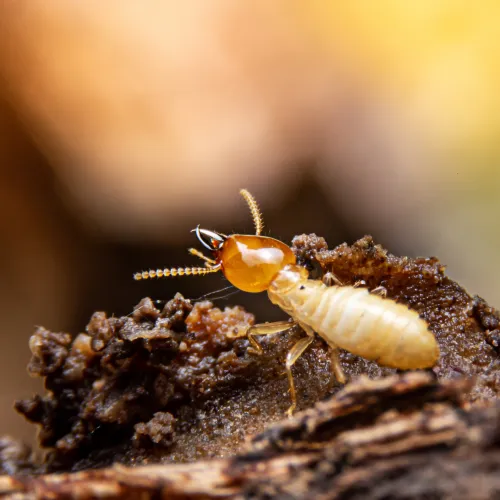
Termites
Are termites compromising your biggest investment?
We are a proud and fully authorized Sentricon provider.

Mosquitoes
Mosquitoes driving you crazy? Allow us to keep your yard and family safe from these bloodsuckers.
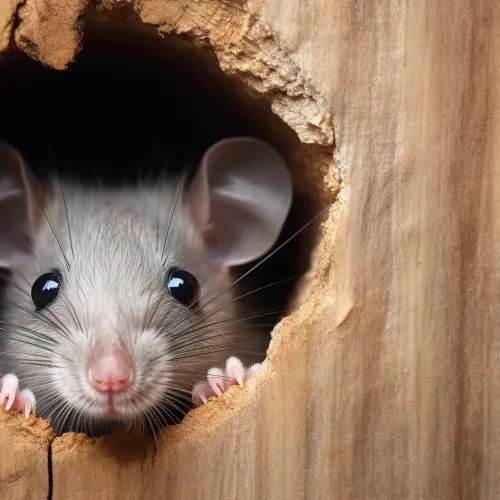
Rodents
Rodents or wildlife wreaking havoc in your attic, basement or crawlspace? We perform full rodent exclusions to keep them out for good.

Termite Inspections
We are a leader in
Hudson real estate inspections for wood-destroying organisms, termites and termite clearance letters.
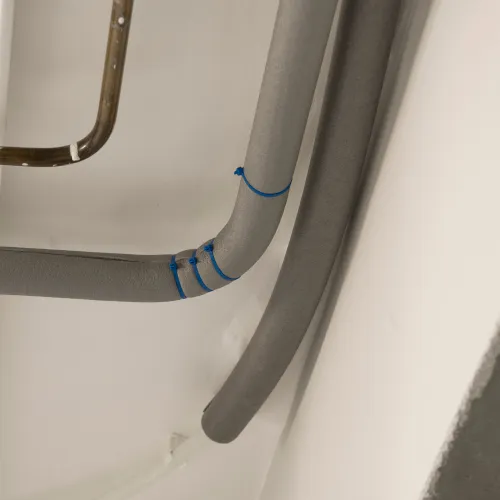
Home Services
Do you have a nasty crawlspace in need of some TLC? Or is your attic lacking insulation? We can help!
Pest Library
Because Intruders Always Find Their Way Indoors

Attic
Attic
Garages and Basements
Garages and Basements
Windows and Doors
Windows and Doors
Eaves Pests
Eaves Pests
Lawn Pests
Lawn Pests
Crawlspace Pests
Crawlspace Pests
Save More with Bundled Services
PestNation offers value-packed service bundles designed to maximize your savings.
Enjoy comprehensive pest control solutions with our all-in-one packages—exceptional service at a great price. Plus, take advantage of our referral program and earn rewards! Click to learn more.
Frequently Asked Questions
Q
What are the most common pests in the Hudson area?
The most common pests in
Hudson include ants (fire ants, carpenter ants), mosquitoes, termites, rodents (rats, mice), cockroaches, spiders (brown recluse, black widow), stinging insects (wasps, hornets), ticks, and wildlife (squirrels, raccoons). These pests can cause property damage, spread diseases, and be a general nuisance, making pest control and prevention essential.
Q
How can I prevent ants from entering my home?
To prevent ants, keep your home clean and free of food crumbs, store food in sealed containers, seal cracks and crevices around your home, and eliminate standing water sources. Regularly inspect and maintain your home's exterior to prevent entry points. Additionally, reaching out to PestNation can help eliminate ants from your landscape.
Q
What signs indicate a termite infestation?
Signs of a termite infestation include mud tubes on exterior walls, hollow-sounding wood, discarded wings near windows or doors, and small piles of frass (termite droppings). It's crucial to address termite issues promptly to avoid significant structural damage.
Q
Are the pest control treatments safe for my family and pets?
PestNation uses EPA-approved products and follows safety guidelines to ensure the treatments are safe for your family and pets. Technicians will also provide instructions on any necessary precautions to take during and after the treatment.
Q
What can I do to reduce mosquito populations around my home?
To reduce mosquito populations, remove standing water sources where mosquitoes breed, such as birdbaths, gutters, and plant saucers. Use insect repellents, install screens on windows and doors, and consider professional mosquito control treatments from PestNation. Our In2Care system is pollinator-friendly!
Q
How do I know if I have a rodent problem?
Signs of a rodent problem include droppings, gnaw marks on food packaging or structures, nesting materials like shredded paper, and noises such as scratching or scurrying, especially at night. If you suspect a rodent issue, it's best to contact a professional for an inspection.
Q
What should I do if I find a bed bug in my home?
If you find a bed bug, avoid moving infested items to prevent spreading them. Contact a pest control professional immediately for a thorough inspection and treatment plan. Bed bugs are notoriously difficult to eliminate without professional help. Contact us!
Q
Can pest control help with spiders in my home?
Yes, pest control services can help manage and reduce spider populations in your home. Technicians will identify the type of spiders, address potential food sources (such as other insects), and apply appropriate treatments to control and prevent infestations.
Q How often should I have my home inspected for pests?
It's recommended to have your home inspected for pests at least once a year. However, if you live in an area prone to specific pests or have had previous infestations, more frequent inspections may be necessary.
Q How do I choose the right pest control company in Hudson?
When choosing a pest control company, consider factors such as their experience, reputation, licensing and certifications, range of services, and customer reviews. PestNation, with its expertise in handling
Hudson-specific pest issues, offers reliable and professional pest control solutions tailored to your needs.