
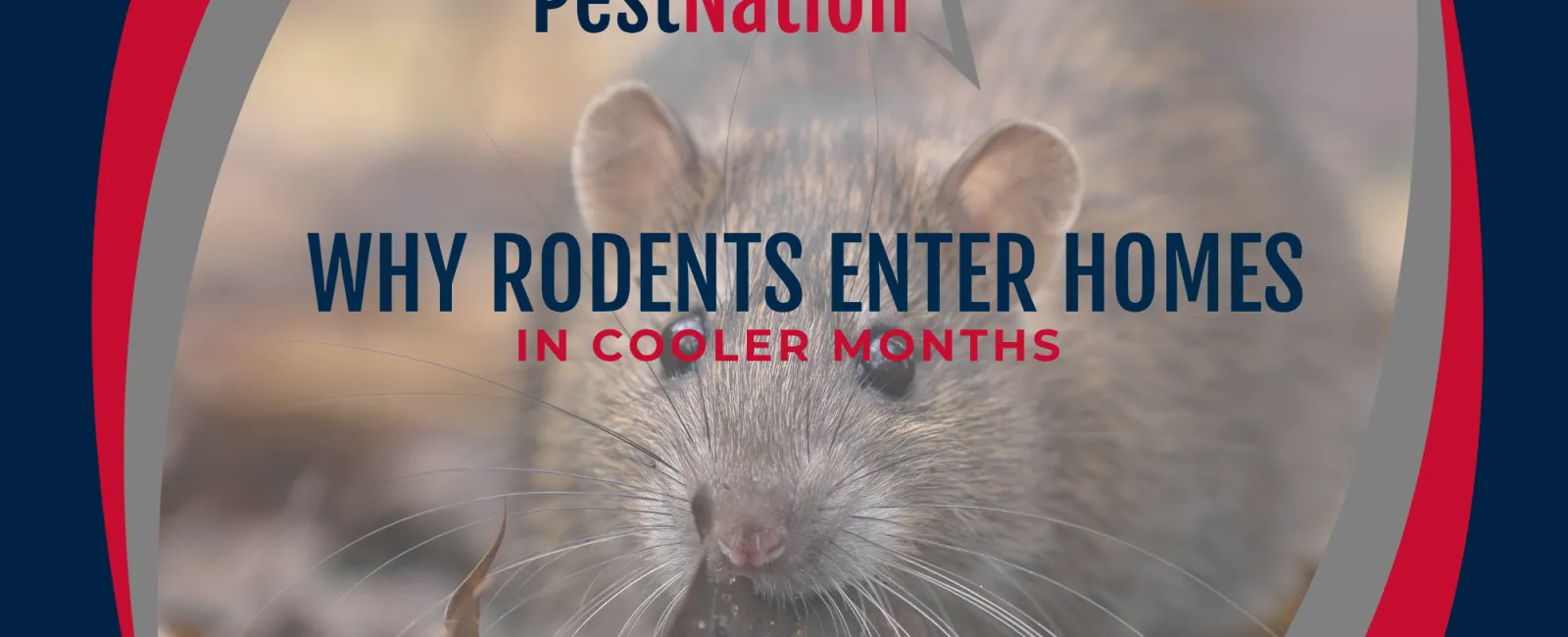
As temperatures begin to drop, many homeowners notice an increase in rodent activity inside their homes. While rodents are present year-round in the Southeastern United States, cooler months often trigger a noticeable shift in behavior. Rodents in winter actively seek out warm, sheltered environments where food and water are readily available—and homes provide the perfect solution. In cities like Atlanta and Charlotte, as well as coastal communities that rely on Charleston pest control services, this seasonal migration leads to a spike in indoor infestations.
Although winters in the Southeast are milder than in northern regions, even slight temperature changes can influence rodent behavior. When outdoor conditions become less favorable, rodents begin searching for consistent warmth and protection. This is why homeowners who may not have experienced issues during warmer months suddenly encounter rodents inside walls, attics, or crawl spaces. Understanding why rodents move indoors and how to prevent it is essential for effective seasonal rodent control and long-term Rodent Exclusion in the Southeast.
Rodents are highly adaptable creatures capable of finding entry into even well-maintained homes. Once inside, they can quickly establish nests and begin reproducing. Without early detection and proper intervention, small infestations can grow into significant problems. Through detailed PestNation pest inspections and comprehensive Atlanta, Charlotte, and Charleston interior and exterior pest treatments, PestNation helps homeowners identify vulnerabilities and implement proactive solutions before infestations escalate.
Why Cooler Weather Drives Rodents Indoors
Rodents are sensitive to environmental changes, particularly temperature fluctuations. As outdoor temperatures drop, their ability to find food and shelter becomes more limited.
During cooler months, rodents are driven indoors by several key factors:
- The need for warmth
- Reduced availability of outdoor food sources
- Protection from predators
- Shelter from rain and cold conditions
Even in regions like Atlanta and Charlotte, where winters are relatively mild, nighttime temperature drops can be enough to push rodents toward indoor environments. In Charleston pest control scenarios, coastal weather patterns and seasonal rainfall can further disrupt outdoor habitats, encouraging rodents to seek refuge inside homes.
Because homes provide stable temperatures and consistent resources, they become highly attractive to rodents during cooler months.
Homes Offer Ideal Shelter
Once rodents enter a home, they quickly find environments that meet their survival needs. Attics, crawl spaces, and wall voids provide warmth, protection, and limited human disturbance.
Common indoor shelter areas include:
- Attics with insulation
- Crawl spaces beneath the home
- Wall cavities and ceilings
- Storage areas and garages
- HVAC and utility spaces
In Atlanta and Charlotte, attic spaces are especially common nesting locations due to insulation that retains heat. Charleston pest control professionals frequently encounter rodents in crawl spaces, where humidity and shelter create ideal conditions.
These areas allow rodents to remain hidden while building nests and reproducing, often without immediate detection.
Food Sources Become Limited Outdoors
During warmer months, rodents can find food easily outdoors. However, as temperatures cool, food sources such as insects, plants, and waste become less accessible.
As a result, rodents begin searching for alternative food sources indoors. Homes provide access to:
- Pantry items
- Pet food
- Garbage and recycling
- Food residue on surfaces
In urban environments like Atlanta and Charlotte, densely populated neighborhoods create consistent opportunities for rodents to find food indoors. Charleston pest control environments may also experience increased rodent activity due to outdoor dining areas and improperly secured trash containers.
Even small amounts of food can sustain rodent populations, making sanitation a critical component of seasonal rodent control.
Rodents Can Enter Through Small Openings
One of the reasons rodents in winter become such a problem is their ability to enter homes through extremely small openings.
Mice can squeeze through gaps as small as a dime, while rats require only slightly larger openings. Common entry points include:
- Cracks in foundations
- Gaps around doors and windows
- Openings around plumbing and electrical lines
- Roofline gaps and attic vents
- Crawl space access points
PestNation pest inspections often reveal these hidden entry points, many of which homeowners are unaware of. In Atlanta, Charlotte, and Charleston pest control scenarios, identifying and sealing these openings is essential for preventing rodent infestations.
Without proper Rodent Exclusion in the Southeast, rodents can repeatedly enter homes even after removal.
Rapid Reproduction During Winter
Contrary to popular belief, rodents do not stop reproducing during the winter. In fact, once they establish themselves inside a home, they may continue breeding throughout the season.
Indoor environments provide:
- Stable temperatures
- Protection from predators
- Reliable food sources
These conditions allow rodents to reproduce without interruption. A small number of rodents can quickly grow into a large infestation if not addressed early.
In cities like Atlanta and Charlotte, homeowners may begin noticing increased rodent activity weeks after the initial entry, as populations expand within hidden areas of the home.
Moisture and Water Sources Attract Rodents
In addition to food and shelter, rodents require access to water. Cooler months often bring increased rainfall in the Southeast, which can disrupt outdoor habitats and drive rodents indoors.
Common indoor water sources include:
- Leaking pipes
- Condensation from HVAC systems
- Pet water bowls
- Damp crawl spaces
In Charleston pest control environments, high humidity levels can make moisture management particularly challenging. Crawl spaces often retain moisture, creating ideal conditions for rodent activity.
Addressing water sources is an important step in seasonal rodent control and long-term prevention.
Urban Development and Habitat Disruption
Rapid growth in cities like Atlanta and Charlotte has led to increased construction and land development. While this growth benefits communities, it also disrupts natural rodent habitats.
When wooded areas are cleared for development, rodents are forced to relocate. Nearby homes often become the next available shelter.
Charleston pest control professionals frequently observe similar patterns in coastal developments, where vegetation removal pushes rodents toward residential areas.
Because of this ongoing habitat disruption, rodent infestations are becoming more common in both new and established neighborhoods.
Signs of Rodent Activity in Winter
Recognizing early signs of rodent activity is critical for preventing larger infestations.
Common indicators include:
- Scratching or scurrying noises in walls or ceilings
- Droppings in kitchens or storage areas
- Gnaw marks on wires or food packaging
- Nesting materials such as shredded paper or insulation
- Grease marks along walls or baseboards
PestNation pest inspections help identify these signs early, allowing homeowners to take action before infestations become severe.
The Importance of Professional Pest Inspections
Because rodents often remain hidden, professional inspections are essential for accurate detection and effective treatment.
PestNation pest inspections evaluate:
- Entry points around the home
- Nesting locations
- Food and water sources
- Structural vulnerabilities
- Signs of rodent activity
In Atlanta, Charlotte, and Charleston pest control scenarios, these inspections provide valuable insight into how rodents are entering and where they are nesting.
This information allows technicians to develop targeted treatment plans that address both the infestation and its underlying causes.
Integrated Rodent Control and Exclusion Strategies
Effective rodent control requires a comprehensive approach that combines removal and prevention.
Atlanta, Charlotte, and Charleston interior and exterior pest treatments often include:
- Strategic trapping and baiting
- Sealing entry points
- Monitoring for activity
- Environmental recommendations
- Ongoing maintenance plans
Rodent Exclusion in the Southeast focuses on preventing future infestations by eliminating access points and reinforcing vulnerable areas.
This integrated approach ensures long-term protection and reduces the likelihood of recurring infestations.
Rodents entering homes during cooler months is a predictable seasonal pattern driven by the need for warmth, food, and shelter. Even in the relatively mild winters of the Southeastern United States, slight temperature changes and environmental disruptions can push rodents indoors. In cities like Atlanta and Charlotte, as well as coastal areas served by Charleston pest control professionals, this seasonal migration often leads to increased indoor infestations.
Understanding why rodents in winter seek out homes allows homeowners to take proactive steps toward prevention. Through detailed PestNation pest inspections and comprehensive Atlanta, Charlotte, and Charleston interior and exterior pest treatments, homeowners can identify vulnerabilities and implement effective seasonal rodent control strategies. By focusing on Rodent Exclusion in the Southeast, PestNation helps homeowners protect their properties from damage, reduce health risks, and maintain a safe, rodent-free environment throughout the cooler months and beyond.