
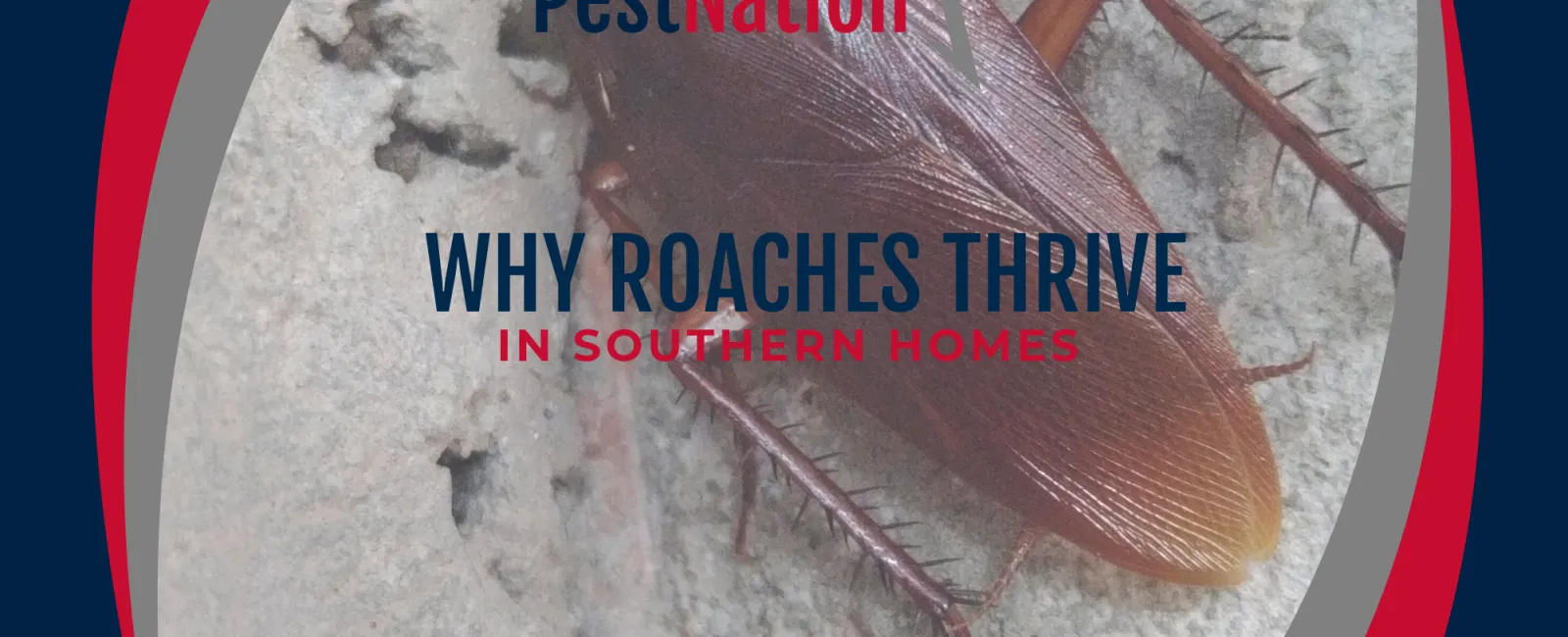
Cockroach activity is a persistent concern for homeowners across the Southeastern United States. From densely populated neighborhoods in Atlanta and Charlotte to humid coastal communities that rely on Charleston pest control services, roaches in homes are a year-round issue. Unlike pests that decline during colder seasons, southern cockroaches benefit from warm climates and consistent environmental conditions that support continuous breeding and survival.
Understanding why cockroaches thrive in Southern homes is essential for effective prevention and long-term cockroach control. These pests are highly adaptable, capable of surviving in a wide range of environments, and often go unnoticed until infestations become significant. Through comprehensive PestNation pest inspections and strategic Atlanta, Charlotte, and Charleston interior and exterior pest treatments, PestNation helps homeowners identify the factors that attract cockroaches and implement solutions to reduce their presence.
The Southeast's climate, construction styles, and lifestyle patterns all contribute to the persistence of cockroach problems. By examining these contributing factors, homeowners can better understand how infestations develop and what steps are necessary to maintain a pest-free environment.
Climate Conditions Favor Cockroach Survival
One of the primary reasons roaches in homes are so common in the Southeast is the region's climate. Warm temperatures and high humidity create ideal conditions for cockroach survival and reproduction.
Key environmental advantages include:
- Long warm seasons that allow continuous breeding
- Mild winters that do not significantly reduce populations
- High humidity levels that support hydration and egg development
- Frequent rainfall that drives roaches indoors
In cities like Atlanta and Charlotte, cockroaches remain active throughout most of the year, making infestations more difficult to control. Charleston pest control environments face additional challenges due to coastal humidity, which creates ideal conditions for southern cockroaches to thrive.
Because cockroaches are sensitive to dehydration, humid environments significantly increase their survival rates. This makes moisture control a critical component of effective cockroach control strategies.
Abundant Food Sources in Residential Areas
Cockroaches are opportunistic feeders that consume a wide range of materials. Homes provide a consistent supply of food, making them attractive environments for infestations.
Common food sources include:
- Crumbs and food residue on floors and counters
- Grease buildup in kitchens
- Unsealed pantry items
- Pet food left out overnight
- Garbage and recycling containers
Even small amounts of food can sustain cockroach populations. In busy households across Atlanta and Charlotte, daily activities often create opportunities for roaches to find food.
Charleston pest control professionals frequently observe cockroach activity in homes with outdoor dining areas or improperly sealed trash containers. Because cockroaches require very little food to survive, maintaining strict sanitation practices is essential for reducing infestations.
Moisture and Water Availability
Water is one of the most important factors for cockroach survival. Southern homes often provide multiple sources of moisture that attract cockroaches.
Common moisture sources include:
- Leaking pipes under sinks
- Condensation from HVAC systems
- Damp crawl spaces
- Standing water around foundations
- Poor drainage systems
In humid regions such as Charleston, moisture levels remain high throughout the year, making it easier for cockroach populations to grow. Homes in Atlanta and Charlotte may also experience moisture issues in basements, kitchens, and bathrooms.
Because cockroaches can survive for extended periods without food but not without water, addressing moisture problems is a key step in effective cockroach control.
Structural Design and Entry Points
The construction style of many Southern homes can contribute to cockroach infestations. Crawl spaces, slab foundations, and older building materials often create entry points and hiding places for pests.
Common entry points include:
- Cracks in foundations
- Gaps around doors and windows
- Openings around plumbing and electrical lines
- Crawl space vents
- Roofline gaps
Once inside, cockroaches can travel through walls, ceilings, and utility lines. In Atlanta and Charlotte, dense urban construction can allow roaches to move between units in multifamily buildings.
Charleston pest control environments often include older homes with aging infrastructure, which can provide additional access points for southern cockroaches.
PestNation pest inspections frequently identify these vulnerabilities, allowing homeowners to address structural issues before infestations worsen.
Hidden Harborages and Nesting Areas
Cockroaches prefer dark, concealed environments where they can remain undisturbed. Southern homes offer numerous hiding places that allow infestations to develop unnoticed.
Common harborages include:
- Behind kitchen appliances
- Inside cabinets and drawers
- Beneath sinks
- Inside wall voids
- In attic or crawl space insulation
Because cockroaches are nocturnal, they are rarely seen during the day. This allows populations to grow without detection.
In Atlanta and Charlotte homes, kitchens and bathrooms are the most common areas for infestations due to the availability of food and water. Charleston pest control professionals often find cockroaches in crawl spaces where humidity and shelter create ideal conditions.
Identifying and treating these hidden areas is essential for long-term cockroach control.
Rapid Reproduction Rates
Cockroaches reproduce quickly, which allows infestations to grow rapidly if not addressed.
A single female cockroach can produce multiple egg cases, each containing dozens of offspring. In favorable conditions, populations can expand significantly within a short period.
This rapid reproduction is one of the reasons southern cockroaches are so difficult to control. Even if a portion of the population is eliminated, remaining individuals can quickly repopulate the area.
Professional pest management strategies focus on disrupting the reproductive cycle through targeted treatments and monitoring.
Outdoor-to-Indoor Migration
Many cockroach species originate outdoors and enter homes when conditions change. Weather events, temperature shifts, and environmental disturbances can drive cockroaches indoors.
Common triggers include:
- Heavy rainfall flooding outdoor habitats
- Extreme heat or drought
- Landscaping changes
- Construction activity
In Charleston pest control scenarios, coastal storms often push cockroaches indoors in search of shelter. In Atlanta and Charlotte, seasonal weather changes can have similar effects.
Once inside, cockroaches may establish nests if conditions are favorable.
Urban Density and Shared Infrastructure
In urban areas, cockroach infestations can spread between properties. Shared walls, plumbing systems, and utility lines provide pathways for movement.
In cities like Atlanta and Charlotte, apartment complexes and townhomes are particularly vulnerable to shared infestations. Even if one unit is treated, cockroaches may return from adjacent spaces.
Charleston pest control professionals also encounter similar challenges in historic districts where buildings are closely connected.
This interconnected infrastructure makes professional cockroach control essential for managing infestations effectively.
The Role of Professional Pest Inspections
Because cockroaches often remain hidden, professional inspections are critical for identifying infestations early.
PestNation pest inspections evaluate both interior and exterior areas to determine:
- The extent of cockroach activity
- Nesting locations
- Entry points
- Moisture and food sources
- Environmental conditions contributing to infestations
These inspections allow technicians to develop targeted treatment plans that address the root causes of infestations.
In Atlanta, Charlotte, and Charleston pest control scenarios, early detection is key to preventing severe infestations.
Integrated Cockroach Control Strategies
Effective cockroach control requires a comprehensive approach that addresses multiple factors simultaneously.
Atlanta, Charlotte, and Charleston interior and exterior pest treatments often include:
- Gel bait applications targeting nesting areas
- Crack and crevice treatments
- Insect growth regulators to disrupt reproduction
- Exterior perimeter treatments
- Recommendations for sanitation and moisture control
Because cockroaches are highly adaptable, ongoing monitoring and maintenance are essential for long-term success.
Cockroaches thrive in Southern homes due to a combination of environmental, structural, and behavioral factors. Warm climates, high humidity, abundant food sources, and accessible entry points create ideal conditions for roaches in homes throughout the Southeast. In cities like Atlanta and Charlotte, as well as coastal areas served by Charleston pest control professionals, these factors allow southern cockroaches to remain active year-round.
Addressing cockroach problems requires a proactive and comprehensive approach. Through detailed PestNation pest inspections and strategic Atlanta, Charlotte, and Charleston interior and exterior pest treatments, homeowners can identify the conditions that attract cockroaches and implement effective cockroach control solutions. By focusing on prevention, moisture management, and targeted treatment strategies, PestNation helps homeowners reduce infestations and maintain a healthier, pest-free living environment.