
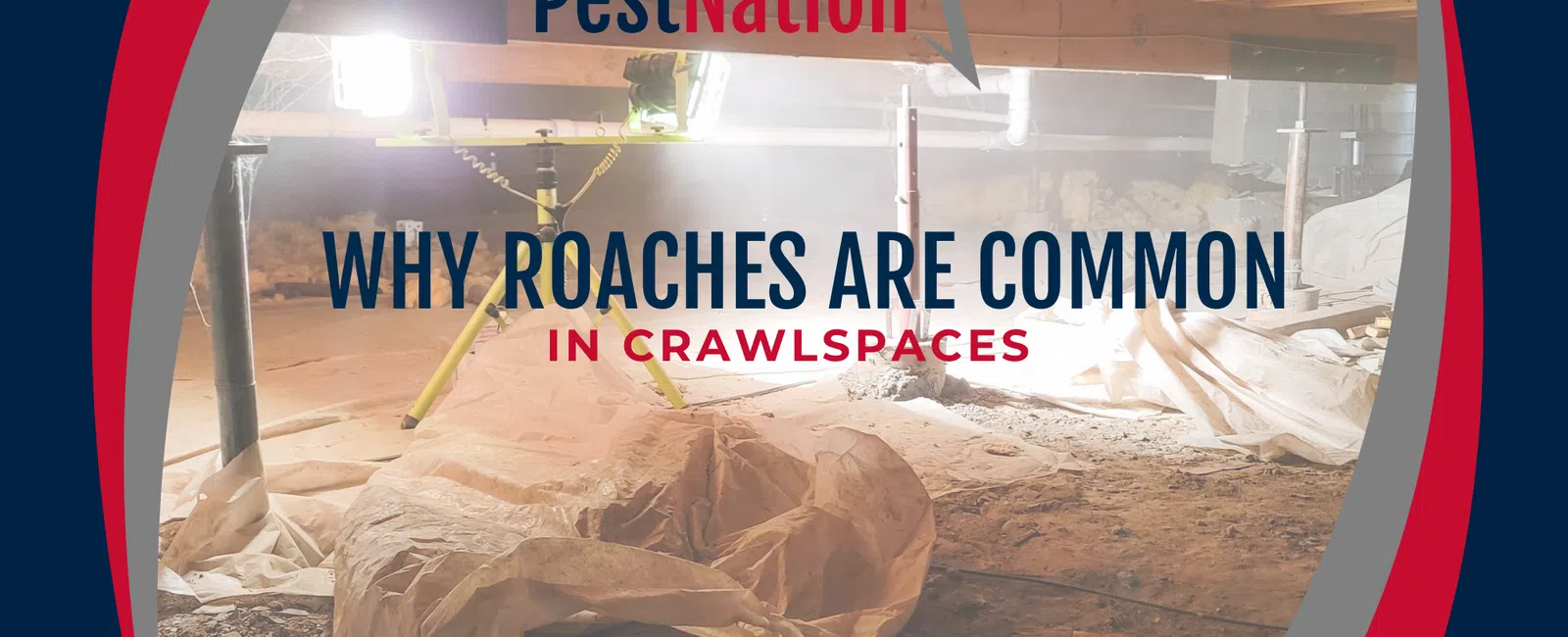
Crawlspaces are easy to ignore because they sit beneath the living areas of a home, but the conditions inside them can have a major influence on pest activity. These spaces are often dark, humid, sheltered, and rarely disturbed, which can make them attractive to cockroaches and other pests. When plumbing leaks, poor drainage, standing water, decaying wood, stored materials, or exterior openings are also present, the crawlspace may provide several of the resources cockroaches need in one protected location.
For homeowners in warm, humid Southern climates, crawlspace roaches can be especially persistent because moisture and extended periods of warm weather may support pest activity for much of the year. However, moisture alone does not create a cockroach infestation, and correcting humidity or drainage problems will not necessarily eliminate a population that is already established. Effective management generally requires a broader approach that combines moisture correction, sanitation, harborage reduction, exclusion, monitoring, species identification, and professional pest control services when needed.
Why Crawlspaces Can Be Attractive to Cockroaches
Cockroaches seek environments that offer some combination of water, shelter, food, and favorable temperatures.
A crawlspace may provide:
- Darkness
- High humidity
- Damp soil
- Limited human activity
- Cracks and crevices
- Organic debris
- Decaying wood
- Warmth
- Access to wall or floor voids
Because crawlspaces are rarely occupied, pests can remain hidden for long periods without being noticed.
This is one reason crawlspace roaches may become established before homeowners see obvious signs inside the living space.
Guidance from UGA Extension - Insect and Arthropod Pests of Southeastern Neighborhoods discusses moisture, drainage, crawlspaces, structural openings, and other pest-conducive conditions common around Southeastern properties, providing useful context for understanding why crawlspace conditions can influence cockroach activity.
Moisture Is One of the Most Important Factors
Cockroaches require water, and crawlspaces can contain several dependable moisture sources.
Potential contributors include:
- Plumbing leaks
- Condensation
- Ground moisture
- Poor drainage
- Standing water
- Roof or gutter runoff
- HVAC condensate
- Groundwater intrusion
Even when no visible puddles are present, high humidity can keep wood, insulation, and other materials damp.
This creates a more favorable environment for many moisture-associated pests.
Plumbing Leaks Can Create Localized Hotspots
Plumbing lines frequently run through crawlspaces.
A small leak at a pipe, fitting, drain, or supply line may create damp conditions in one concentrated area.
Because the space is hidden, the leak may continue for weeks before anyone notices.
Cockroaches may be attracted to water around:
- Drain lines
- Supply pipes
- Bathroom plumbing
- Kitchen plumbing
- Water heaters
- Laundry connections
Repairing a leak removes an important resource, but it does not automatically remove the cockroaches already using the area.
Condensation Can Be Easy to Miss
Condensation is another common moisture source.
Warm, humid air can contact cooler ductwork, plumbing, or other surfaces and create water droplets.
This moisture may collect on:
- HVAC ducts
- Pipes
- Insulation
- Floor framing
Homeowners may not notice condensation unless it becomes severe.
Persistent dampness can contribute to conditions favorable to roaches and other organisms.
Poor Drainage Can Keep Crawlspaces Damp
Water around the exterior of a home can influence moisture beneath it.
Drainage problems may include:
- Soil sloping toward the foundation
- Downspouts discharging too close to the home
- Clogged gutters
- Low landscape areas
- Saturated soil
- Blocked drainage systems
When water remains around the foundation, crawlspace humidity may increase.
In some homes, water may also enter directly through foundation openings or low areas.
Standing Water Deserves Prompt Attention
Standing water inside a crawlspace is a significant maintenance concern.
It can result from:
- Plumbing leaks
- Groundwater
- Heavy rain
- Drainage failure
- Flooding
From a pest-management standpoint, standing water provides a dependable moisture source.
It can also contribute to wood deterioration, fungal activity, and other conditions that may make the environment even more favorable for pests.
Information from U.S. EPA - Moisture Control Guidance explains the importance of managing building moisture and controlling water intrusion, reinforcing why persistent crawlspace moisture should be corrected as part of both building maintenance and pest prevention.
Darkness and Limited Disturbance Create Shelter
Cockroaches are naturally drawn to protected environments.
Crawlspaces offer:
- Minimal light
- Few people
- Numerous hiding places
- Stable temperatures
Roaches may hide:
- Beneath insulation
- Behind vapor barriers
- Inside cracks
- Beneath wood
- Around plumbing
- Near foundation walls
- Behind stored materials
These protected harborages make it easier for cockroaches to remain unnoticed.
Organic Debris Can Support Pest Activity
Crawlspaces sometimes contain organic materials that provide shelter or food.
Examples include:
- Leaves
- Cardboard
- Wood scraps
- Paper
- Decaying lumber
- Construction debris
- Dead insects
Cockroaches are scavengers and may feed on a wide range of organic materials.
The combination of moisture and debris can make a crawlspace more attractive.
Cardboard Can Create Ideal Hiding Places
Cardboard is particularly problematic because its layered construction creates narrow protected spaces.
When stored in a damp crawlspace, it may also absorb moisture.
Cockroaches can hide between:
- Boxes
- Corrugated layers
- Stacked materials
Removing unnecessary cardboard can reduce harborage and improve inspection visibility.
Decaying Wood Can Increase Shelter
Wood that remains damp for extended periods may begin to deteriorate.
Soft or damaged wood can develop:
- Cracks
- Voids
- Loose fibers
- Fungal growth
These conditions may provide additional hiding places.
However, deteriorated wood does not automatically mean cockroaches are present.
The condition should be evaluated both as a maintenance concern and a potential pest-conducive environment.
Foundation Vents Can Become Entry Points
Many crawlspaces include foundation vents.
When screens are damaged or missing, pests may enter more easily.
Potential problems include:
- Torn screening
- Loose vent covers
- Corrosion
- Gaps around frames
- Broken louvers
The goal is not to block required ventilation.
Any repair should maintain proper airflow while reducing unnecessary pest access.
Crawlspace Doors Can Develop Gaps
Access doors are another common entry area.
Over time, they may become:
- Warped
- Loose
- Damaged
- Poorly sealed
Gaps around the perimeter can allow cockroaches and other pests to enter.
Homeowners should periodically check that crawlspace doors fit properly and remain in good condition.
Plumbing and Utility Penetrations May Create Pathways
Pipes, wires, cables, HVAC lines, and other utilities often pass through foundation walls or floors.
Openings around these penetrations can create movement pathways.
Cockroaches may use them to travel between:
- Crawlspaces
- Wall cavities
- Kitchens
- Bathrooms
- Utility rooms
- Garages
Sealing appropriate gaps can support prevention once the active pest situation has been evaluated.
Cracks and Gaps Around the Foundation Matter
Foundation cracks and construction joints can also provide access.
Not every crack is large enough for pests, and not every visible opening needs to be sealed.
However, accessible gaps should be considered during a pest inspection.
If a crack also indicates a structural concern, an appropriate building professional may need to evaluate it.
Exterior Landscaping Can Influence Crawlspace Roaches
The conditions immediately outside the foundation matter almost as much as the crawlspace itself.
Potential pest-conducive conditions include:
- Heavy mulch
- Leaf litter
- Dense vegetation
- Groundcover
- Wood debris
- Overwatering
- Standing water
These environments can support outdoor cockroach populations close to foundation openings.
For effective pest control services, exterior conditions should be considered alongside indoor or crawlspace activity.
Mulch Can Hold Moisture Near the Foundation
Mulch helps landscapes retain water, but excessive depth can create damp, protected habitat.
Cockroaches and other insects may use:
- Deep mulch
- Pine straw
- Leaf litter
as outdoor shelter.
Keeping mulch properly maintained and avoiding excessive buildup against the foundation can improve visibility and reduce moisture.
Dense Vegetation Can Increase Humidity
Shrubs and vines growing directly against a home can:
- Trap moisture
- Reduce airflow
- Hide foundation openings
- Provide pest shelter
Trimming vegetation away from the structure can support both drainage and pest prevention.
It also makes exterior inspections easier.
Species Identification Matters
Not all cockroaches behave the same way.
Different species prefer different habitats.
For example:
- German cockroaches are strongly associated with indoor kitchens and food-preparation areas.
- Smoky brown cockroaches are more commonly associated with humid outdoor environments and elevated exterior areas.
- American cockroaches may be associated with drainage systems, sewers, basements, or utility areas.
- Oriental cockroaches often favor cool, damp ground-level environments.
A cockroach found in a crawlspace could belong to more than one species.
Information from University of Florida IFAS - Cockroaches and Their Management discusses cockroach habitats, identification, prevention, and management, reinforcing why effective control should address both cockroach activity and environmental conditions that support it.
Accurate species identification can influence where PestNation Pest Inspections focus and which Roach Control strategies are appropriate.
Signs of Cockroach Activity in a Crawlspace
Homeowners may not see live cockroaches every time they inspect a crawlspace.
Other signs can include:
- Dead cockroaches
- Droppings
- Egg cases
- Shed skins
- Recurring nighttime activity
- Insect debris
These signs may indicate that cockroaches are using the area regularly.
However, the amount or type of evidence should be interpreted in context.
Professional inspection can help determine whether activity is localized or widespread.
Egg Cases Can Indicate Reproductive Activity
Cockroach egg cases may be found in protected areas.
Their presence can suggest that cockroaches are spending enough time in the crawlspace to reproduce or deposit eggs nearby.
This is more significant than an occasional single roach entering from outdoors.
Species identification remains important because egg cases vary among cockroach species.
Shed Skins Can Reveal Hidden Activity
Cockroaches shed their exoskeletons as they develop.
These skins may remain behind in harborages.
Finding several shed skins around:
- Plumbing
- Debris
- Foundation walls
- Stored materials
can indicate ongoing activity.
Roaches Can Move From Crawlspaces Into Living Areas
A crawlspace is not always isolated from the rest of the home.
Openings may connect it to:
- Wall cavities
- Plumbing chases
- Floor penetrations
- HVAC areas
- Utility pathways
Cockroaches can use these routes to move upward into kitchens, bathrooms, laundry rooms, or other occupied spaces.
This is why crawlspace roaches can sometimes appear to be an indoor-only problem even when part of the population is associated with the crawlspace.
Kitchens and Bathrooms May Become Secondary Activity Areas
Cockroaches moving from a crawlspace may be drawn toward indoor food and water.
Kitchens can provide:
- Food debris
- Grease
- Water
- Warm appliances
Bathrooms can provide:
- Plumbing moisture
- Condensation
- Protected voids
Repeated sightings in these areas may justify inspection below the floor when a crawlspace is present.
Moisture Correction Is Important but Not Sufficient
Reducing moisture can make a crawlspace less favorable for cockroaches.
Potential improvements include:
- Repairing plumbing leaks
- Improving drainage
- Correcting standing water
- Addressing condensation
- Maintaining gutters and downspouts
However, a dry crawlspace can still contain cockroaches if food, shelter, or entry points remain available.
Likewise, a moisture problem can exist without any cockroach infestation.
The relationship is about favorable conditions, not automatic causation.
Sanitation and Harborage Reduction Matter
Removing unnecessary organic debris can reduce shelter and food.
Helpful measures include:
- Removing cardboard
- Clearing leaves
- Removing rotting wood
- Reducing clutter
- Disposing of unnecessary stored materials
These actions also make monitoring easier.
A cleaner crawlspace gives homeowners and pest professionals better visibility into droppings, egg cases, entry points, and other evidence.
Pest Exclusion Can Reduce Access
Once activity is evaluated, appropriate openings can be addressed.
Potential exclusion areas include:
- Foundation cracks
- Crawlspace doors
- Vent screens
- Utility penetrations
- Plumbing gaps
Exclusion should be done carefully.
Ventilation, drainage, and building systems should not be blocked solely for pest prevention.
Monitoring Helps Determine Whether Control Is Working
Cockroaches can remain hidden for long periods, so monitoring is important.
Professional monitoring can help determine:
- Where activity is concentrated
- Whether population levels are changing
- Which entry points may be involved
- Whether activity is moving into occupied spaces
This helps avoid relying solely on occasional sightings.
Integrated Pest Management Provides a Strong Framework
Guidance from U.S. EPA - Integrated Pest Management Principles emphasizes identification, monitoring, prevention, and appropriate control methods, providing useful context for why crawlspace pest management should address environmental conditions alongside active pest populations.
For crawlspace roaches, an integrated approach may include:
- Species identification
- Moisture correction
- Drainage improvements
- Sanitation
- Harborage reduction
- Exclusion
- Monitoring
- Professional treatment
This combined strategy is more effective than relying on a single tactic.
Southern Climate Conditions Can Increase Crawlspace Pest Pressure
Warm temperatures, humidity, and rainfall can influence cockroach activity throughout the Southeast.
Homes in Atlanta, Charlotte, Orlando, and Charleston may experience different seasonal patterns, but all four markets can face conditions that support moisture-associated pests.
In Atlanta, humid summers and thunderstorms can increase crawlspace moisture.
Charlotte experiences warm summers, seasonal rainfall, and dense suburban vegetation.
Orlando's long warm season and high humidity can support cockroach activity through much of the year.
Charleston's coastal climate, rainfall, and mild winters can also extend pest-active periods.
These conditions make crawlspace moisture management particularly relevant to Southern Residential Pest Control.
Atlanta Pest Control and Crawlspace Roaches
For homeowners seeking Atlanta Pest Control, crawlspace inspections can be especially useful when roach sightings coincide with damp conditions, drainage concerns, or foundation openings.
Warm summer weather and seasonal storms may increase pest pressure around crawlspaces.
Addressing both the exterior environment and the crawlspace can support more complete Roach Control.
Charlotte Pest Control and Crawlspace Conditions
Homes requiring Charlotte Pest Control may also experience crawlspace moisture tied to rainfall, drainage, or humid seasonal conditions.
Where recurring cockroach activity is present, evaluating plumbing, ventilation, foundation openings, and exterior vegetation can help identify contributing factors.
Orlando Pest Control in Warm, Humid Conditions
For Orlando Pest Control, extended warmth and humidity can support substantial outdoor cockroach activity.
A crawlspace or similar under-floor area with persistent moisture may provide protected shelter.
Exterior populations may also move toward the structure through vents, utility penetrations, or other openings.
Charleston Pest Control and Coastal Humidity
Homes requiring Charleston Pest Control often experience a combination of humidity, rainfall, mature vegetation, and mild winters.
These conditions can extend cockroach activity and increase the importance of crawlspace moisture control and exterior maintenance.
Again, the specific cockroach species should be identified before treatment decisions are made.
How PestNation Helps Address Crawlspace Roaches
At PestNation, effective Residential Pest Control begins with understanding both the pest and the property conditions supporting activity.
PestNation Pest Inspections can help identify cockroach evidence, species characteristics, moisture concerns, potential harborages, entry points, and structural pathways. Where professional treatment is appropriate, Roach Control can be combined with practical recommendations involving sanitation, moisture correction, exclusion, and monitoring.
Depending on the property, Interior and Exterior Pest Treatments may also be relevant when activity extends beyond the crawlspace or when exterior populations are contributing to repeated indoor sightings.
Professional pest control services should complement, not replace, building maintenance.
Plumbing leaks, drainage problems, structural deterioration, or moisture-damaged materials may require separate repair by the appropriate trade.
Crawlspaces can provide cockroaches with an unusually favorable combination of darkness, humidity, shelter, organic debris, and limited disturbance. Plumbing leaks, condensation, poor drainage, standing water, damaged vent screens, foundation gaps, utility penetrations, and exterior landscaping can all increase the likelihood that roaches will use these spaces. However, none of these conditions automatically creates an infestation, and the presence of moisture alone does not prove that cockroaches are established.
Effective management of crawlspace roaches requires looking at the entire environment. Moisture correction, sanitation, debris removal, exclusion, species identification, monitoring, and professional pest control services can all contribute to better long-term results. For homeowners across Atlanta, Charlotte, Orlando, Charleston, and other warm Southern markets, keeping crawlspaces dry, accessible, and well maintained can make them less favorable to roaches while helping PestNation Pest Inspections and Roach Control efforts address the actual source of recurring activity.