
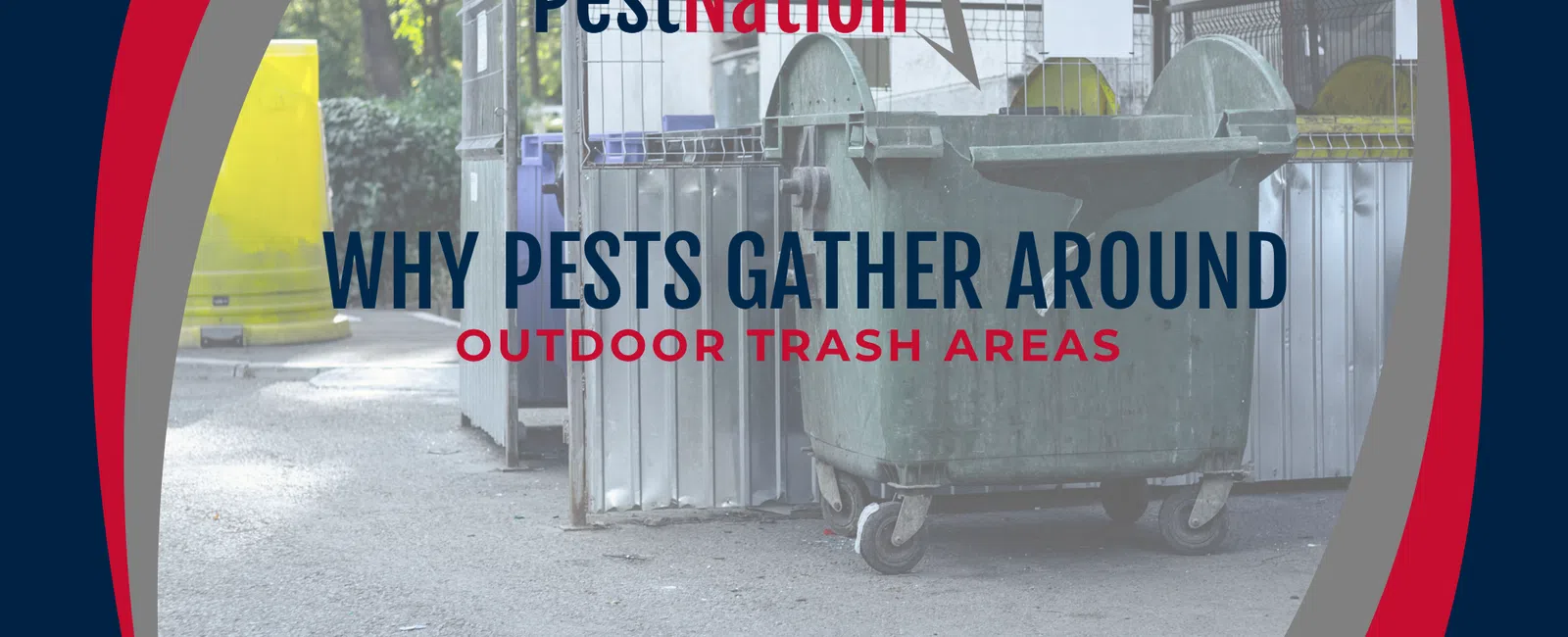
Outdoor trash and recycling areas are convenient necessities, but they can also become concentrated sources of food, moisture, odor, and shelter for pests. Garbage bags may contain food scraps, grease, packaging residue, pet waste, and other organic materials, while recycling bins often hold beverage containers, cans, bottles, and food packaging with small amounts of residue still inside. When these materials are not properly contained or cleaned, pests may begin visiting the area regularly.
For homeowners and property owners, understanding trash can pest prevention is an important part of reducing pest pressure around the home. Pests around garbage cans do not automatically mean there is an infestation inside the structure, but outdoor activity close to doors, garages, foundations, or utility openings can increase the chance that insects or rodents will investigate nearby entry points. Good sanitation, moisture management, container maintenance, exclusion, and routine monitoring can work together to make waste-storage areas less attractive.
Why Trash and Recycling Areas Attract Pests
Outdoor garbage areas often provide several of the resources pests need in one location.
These may include:
- Food
- Water
- Shelter
- Odors
- Organic debris
- Protected spaces around containers
A trash container may seem closed, but food residue on the outside, liquids beneath the lid, or spills around the base can still attract insects and rodents.
Recycling areas can create similar conditions. A soda bottle with a small amount of liquid remaining inside may attract ants, flies, or cockroaches even if the container itself is technically empty.
Guidance from the U.S. EPA - Integrated Pest Management Principles emphasizes reducing pests' access to food, water, and shelter, providing useful context for why sanitation around outdoor garbage and recycling areas is an important part of pest prevention.
Food Residue Is One of the Biggest Attractants
Pests do not require large quantities of food.
Small amounts of residue can be enough to support repeated activity.
Outdoor trash may contain:
- Leftover food
- Meat scraps
- Cooking grease
- Fruit
- Sugary liquids
- Pet food
- Food-soiled packaging
These materials can attract ants, cockroaches, flies, rodents, and other scavenging pests.
For effective trash can pest prevention, homeowners should focus on reducing both loose food waste and residue that accumulates around bins.
Odors Help Pests Locate Food Sources
Pests can detect food odors from a distance.
Garbage containing meat, grease, fruit, or other organic material may release strong odors as it decomposes.
If lids do not close properly, odor can escape more easily.
Warm Southern temperatures can also accelerate decomposition, particularly during summer.
This is one reason outdoor waste areas may become more active in markets requiring Atlanta Pest Control, Charlotte Pest Control, Orlando Pest Control, or Charleston Pest Control during hot, humid weather.
Leaking Garbage Bags Can Create Moisture
A garbage bag may leak before it reaches the outdoor container.
Liquids can collect:
- At the bottom of the bin
- On pavement
- Around the container
- Along garage walls
- Near foundations
This creates additional pest-conducive conditions.
Cockroaches, ants, flies, and rodents may benefit from accessible moisture alongside food.
Cleaning spills promptly helps reduce both odor and pest activity.
Recycling Containers Can Hold Sugary Liquids
Recycling bins may appear less attractive than garbage cans, but beverage containers can still hold residue.
Common examples include:
- Soda bottles
- Juice containers
- Beer or beverage cans
- Food jars
- Takeout containers
Sugary residue can attract ants and flies.
Rinsing appropriate recyclable containers before placing them outdoors can help reduce odors and accessible food.
The goal is not excessive washing but removing obvious food or liquid residue that may attract pests.
Dirty Bins Can Become Long-Term Food Sources
Even when garbage bags are tied securely, containers themselves can become dirty.
Residue can build up around:
- Bin bottoms
- Lid edges
- Handles
- Wheels
- Exterior surfaces
Repeated spills may create a layer of grease or organic material.
Cleaning containers when visibly soiled can reduce persistent odor and food availability.
Resources from UGA Extension - Insect and Arthropod Pests of Southeastern Neighborhoods discuss sanitation, food sources, moisture, and other pest-conducive conditions around homes, helping explain why poorly maintained waste areas can encourage pest activity.
Overflowing Trash Creates Easy Access
Overfilled containers are much harder to keep sealed.
When garbage extends above the top of the bin, lids may remain open.
Loose bags may also tear or fall onto the ground.
Overflow can create:
- Exposed food
- Strong odors
- Accessible garbage
- Additional hiding places
This can make the area especially attractive to rodents, flies, cockroaches, and ants.
Avoiding chronic overflow is an important part of trash can pest prevention.
Loose Garbage and Debris Increase Harborage
Waste-storage areas sometimes accumulate materials that are not inside bins.
Examples include:
- Cardboard
- Paper bags
- Fallen leaves
- Broken containers
- Loose trash
- Yard debris
These materials can provide hiding places in addition to food.
Cardboard and paper may also hold moisture.
Removing unnecessary debris improves visibility and reduces pest shelter around the containers.
Cockroaches Frequently Exploit Trash Areas
Cockroaches are scavengers and may feed on many types of organic material.
Outdoor waste areas can provide:
- Food
- Moisture
- Darkness
- Shelter
Some cockroach species are strongly associated with exterior environments and may forage around garbage before moving toward nearby structures.
Information from the University of Florida IFAS - Cockroaches and Their Management discusses cockroach habitats, food, water, sanitation, and management, providing useful context for why waste areas can support cockroach activity and why cleaning and moisture reduction are important alongside professional treatment.
Seeing a cockroach near a trash bin does not automatically indicate an indoor infestation.
However, repeated activity close to a garage, door, or foundation may justify inspection.
Ants Can Establish Trails to Waste Areas
Ant workers continually search for food and water.
Once they locate a reliable source around a garbage or recycling container, they may establish repeated foraging trails.
Homeowners might notice ants traveling:
- Along driveways
- Across patios
- Up exterior walls
- Along foundations
Cleaning food residue and spills can help remove the resource that encourages these trails.
If activity continues after sanitation improvements, the nesting location may need further evaluation.
Flies Can Breed Around Organic Waste
Flies are strongly associated with decaying organic material.
Garbage containing:
- Food waste
- Animal waste
- Rotting produce
can provide suitable breeding conditions for certain fly species.
Keeping containers closed and removing waste regularly helps limit access.
Spills or food residue around the outside of a container should also be cleaned because pests can use materials outside the bag.
Rodents Are Attracted to Accessible Garbage
Rodents are opportunistic feeders.
Garbage and recycling areas can provide food if containers are damaged, open, overflowing, or easy to enter.
The CDC - Rodent Control recommends eliminating sources of food, water, and shelter that can attract rodents. This guidance is relevant to outdoor waste areas because unsecured trash can become a dependable food resource close to the home.
Signs of rodent activity around bins may include:
- Gnaw marks
- Droppings
- Torn garbage bags
- Burrows
- Repeated nighttime activity
Recurring evidence deserves closer evaluation, especially when waste containers are near structural openings.
Moisture Can Make Trash Areas More Attractive
Outdoor bins are exposed to rainfall.
Water may collect:
- Inside open lids
- Beneath containers
- In damaged bins
- Around nearby pavement
Combined with leaking trash bags or beverage residue, this moisture can create a consistently damp environment.
Proper drainage and container maintenance can help reduce these conditions.
Trash Locations Near Foundations Deserve Attention
Where the bins are stored matters.
Containers placed directly beside a home may concentrate pest activity close to:
- Foundation cracks
- Doors
- Windows
- Crawlspace openings
- Utility penetrations
This does not mean trash containers must always be stored far away.
Property layout, local rules, accessibility, and wildlife considerations all matter.
However, creating reasonable separation from the structure when practical can reduce the likelihood that pests move directly from the waste area toward an entry point.
Garages Can Become Transition Areas
Many homeowners store trash or recycling containers inside or immediately beside garages.
Garages can contain several potential pest access points:
- Door seals
- Utility penetrations
- Wall gaps
- Frequently opened doors
If garbage residue attracts pests into the garage, the insects or rodents may then encounter additional opportunities to move into the home.
Keeping garage waste areas clean and monitoring door seals can support Residential Pest Control prevention.
Foundation Cracks and Gaps Can Become Pathways
Pests attracted to outdoor waste may explore nearby structures.
Possible entry routes include:
- Foundation cracks
- Siding gaps
- Door thresholds
- Window frames
- Pipe penetrations
- Cable openings
Routine exterior inspection can identify areas that may need appropriate exclusion.
Sealing suitable openings can support prevention, but building ventilation, drainage, and utility functions should not be altered improperly.
Utility Penetrations Are Easy to Overlook
Pipes, electrical conduit, HVAC lines, and communication cables often pass through exterior walls near garages or utility areas.
Gaps around these components may provide pest access.
If bins are located nearby, pest activity is occurring closer to those potential entry routes.
This is one reason PestNation Pest Inspections may consider both sanitation and building condition when evaluating recurring outdoor activity.
Container Lids Should Close Securely
Keeping garbage and recycling containers properly closed is one of the simplest preventive steps.
A functional lid helps:
- Limit pest access
- Reduce odors
- Keep rain out
- Contain loose debris
Broken or warped lids should be repaired or replaced when practical.
If wildlife or rodents repeatedly disturb containers, more secure storage may be necessary.
Clean Spills Promptly
Food liquids and grease can remain attractive long after the original garbage has been collected.
Homeowners should clean:
- Leaking liquids
- Sugary spills
- Grease
- Food residue
from pavement or storage areas as they occur.
This reduces the amount of scent and food remaining between collection days.
Rinse Appropriate Recyclables
Recyclable containers often retain enough residue to attract pests.
Rinsing obvious food or beverage residue before recycling can help.
Particular attention may be useful for:
- Soda bottles
- Juice containers
- Food jars
- Cans
- Takeout packaging
Local recycling requirements vary, so homeowners should follow local guidelines.
From a pest-management perspective, the priority is reducing accessible organic residue.
Keep the Area Around Bins Clear
A clean perimeter makes pests easier to detect.
Avoid allowing:
- Leaf litter
- Cardboard
- Yard debris
- Loose bags
- Weeds
to accumulate around containers.
Removing these materials reduces harborage and improves airflow.
It also makes droppings, gnawing, trails, or other pest evidence easier to see.
Integrated Pest Management Applies to Waste Areas
Information from the U.S. EPA - Introduction to Integrated Pest Management explains how prevention, pest identification, monitoring, and appropriate control methods work together. This is directly relevant to pests around garbage cans because the most effective response is often reducing resources and access before relying on treatment.
A practical strategy may combine:
- Sanitation
- Moisture management
- Exclusion
- Monitoring
- Professional treatment where needed
This helps address why pests are gathering rather than only reacting to individual insects.
Outdoor Activity Does Not Automatically Mean Indoor Infestation
Finding ants, cockroaches, flies, or rodents around trash cans can be concerning.
However, outdoor pest activity and an indoor infestation are not the same finding.
Many pests naturally forage outdoors.
The concern increases when homeowners also notice:
- Indoor sightings
- Droppings inside
- Repeated trails into the home
- Structural entry evidence
- Activity in garages or crawlspaces
Monitoring patterns can help determine whether pests are simply using the outdoor area or moving toward the building.
When Professional Pest Inspection Can Help
Professional evaluation may be useful when pest activity continues despite improved sanitation and container management.
PestNation Pest Inspections can help assess:
- Pest species
- Food and moisture sources
- Harborage
- Structural entry points
- Indoor versus outdoor activity
This can help determine whether preventive improvements are sufficient or whether Interior and Exterior Pest Treatments may be appropriate.
Trash Can Pest Prevention in Southern Markets
Warm weather can intensify odor, decomposition, insect activity, and rodent foraging around waste areas.
This makes sanitation especially relevant across PestNation's Southern service markets.
For homeowners seeking Atlanta Pest Control, hot summers and humid weather can increase insect activity around garbage areas.
With Charlotte Pest Control, warm seasons and rainfall can create similar conditions, especially when waste areas remain damp or are surrounded by vegetation.
For Orlando Pest Control, extended warmth and humidity can support year-round pest pressure, making consistent container cleaning and monitoring particularly useful.
With Charleston Pest Control, coastal humidity, mild seasonal conditions, and long periods of insect activity can similarly make outdoor sanitation an important part of prevention.
How PestNation Addresses Outdoor Waste-Area Pest Activity
At PestNation, effective Residential Pest Control involves looking at why pests are gathering around a property rather than treating every outdoor sighting as evidence of an indoor infestation.
PestNation Pest Inspections can help identify whether activity around garbage and recycling areas is associated with food residue, moisture, harborage, structural access, or a larger pest issue. Depending on the findings, appropriate Interior and Exterior Pest Treatments may help manage active pest pressure while sanitation, exclusion, and property maintenance address contributing conditions.
The strongest trash can pest prevention strategy is usually simple and consistent: keep containers closed, reduce food residue, rinse appropriate recyclables, clean spills, prevent overflow, manage moisture, remove surrounding debris, and monitor nearby structural openings. These practices reduce the food, water, and shelter that make waste areas attractive to pests.
At the same time, pests around garbage cans should be evaluated in context. Outdoor pest activity does not automatically mean insects or rodents have established themselves inside the home. When recurring activity begins moving toward garages, foundations, doors, utility penetrations, or occupied spaces, professional PestNation Pest Inspections and appropriate Residential Pest Control can help determine whether the problem remains outdoors or requires a broader prevention and treatment strategy.