
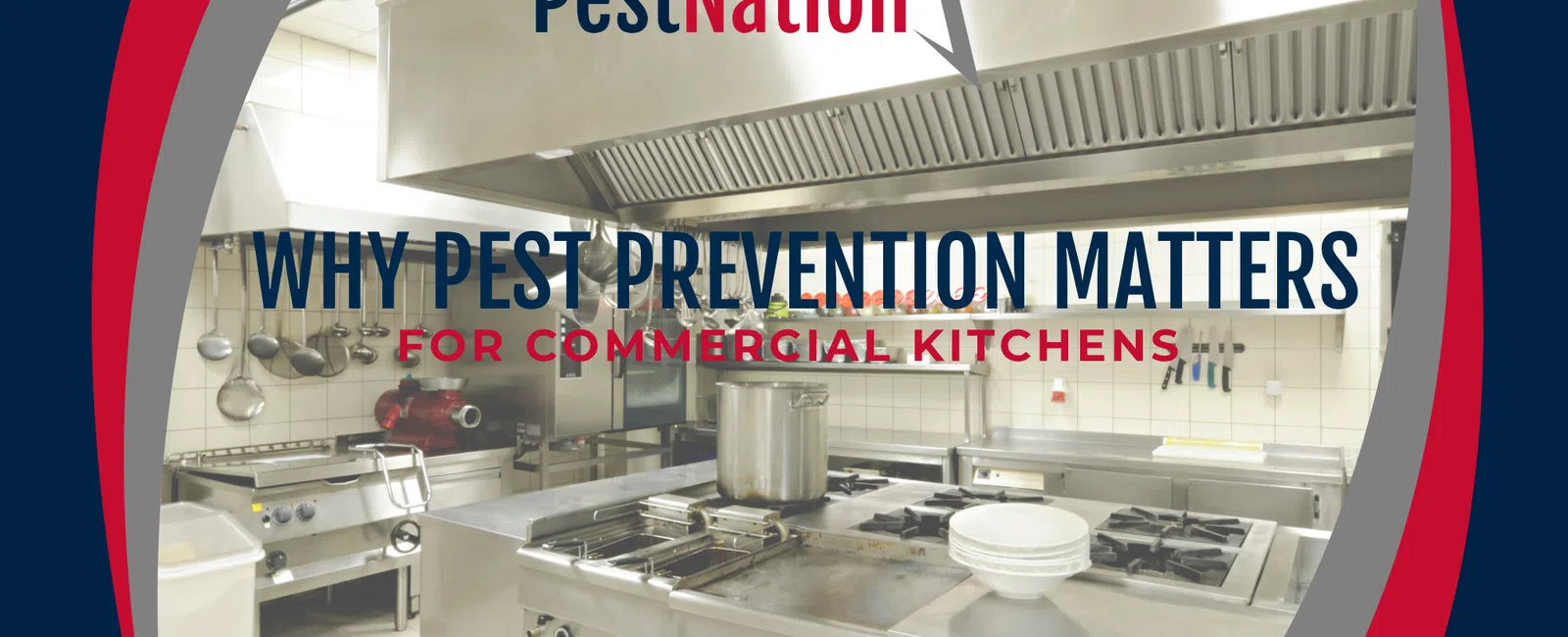
Commercial kitchens operate in environments where food, water, warmth, waste, deliveries, and constant activity come together every day. Those same conditions can also create opportunities for pests when sanitation, maintenance, storage, exclusion, or monitoring breaks down. Cockroaches may shelter near warm equipment or plumbing, flies may develop around organic residue, rodents may exploit food and structural openings, ants may forage toward spills and moisture, and stored-product pests may arrive with or develop in dry ingredients. Because commercial kitchens handle food continuously, even relatively small pest-conducive conditions can become important if they are not identified and corrected early.
Effective commercial kitchen pest control therefore involves much more than reacting when someone sees an insect. Long-term restaurant pest prevention depends on reducing access to food, water, shelter, and entry points while monitoring for early evidence of activity. Sanitation, building maintenance, waste management, receiving procedures, exclusion, and professional pest management all work together. A single insect sighting does not automatically mean a kitchen has a widespread infestation, but recurring sightings, droppings, egg cases, damaged packaging, fly breeding areas, or rodent evidence should prompt closer investigation.
Why Commercial Kitchens Can Be Attractive to Pests
Commercial kitchens provide many of the basic resources pests need to survive.
These can include:
- Food
- Water
- Warmth
- Shelter
- Organic debris
- Protected cracks and voids
Food preparation occurs repeatedly throughout the day. Even well-managed kitchens can develop small amounts of residue beneath equipment, around shelving, along floor-wall junctions, or near drains.
High equipment temperatures may also create warm harborages, particularly behind refrigeration units, cooking equipment, dishwashing stations, and other machinery.
When these resources occur close together, pests can potentially survive without traveling far.
Common Pests in Commercial Kitchens
Different pests are attracted to commercial kitchens for different reasons.
Common concerns include:
- Cockroaches
- Flies
- Rodents
- Ants
- Stored-product pests
Each requires a different approach.
Cockroaches may seek warmth, moisture, food residue, and tight hiding spaces. Flies may be associated with drains, garbage, spoiled organic material, or incoming produce. Rodents may exploit food storage and structural openings. Ants may forage toward spills, sugary residues, grease, or moisture. Stored-product pests can be associated with flour, grains, spices, nuts, pet foods, or other dry ingredients.
Accurate identification is an important first step in commercial kitchen pest control because management methods should match the pest involved.
Food Residue Can Support Persistent Activity
Commercial kitchens handle large volumes of food, often over long operating hours.
Small amounts of residue can accumulate in areas that are easy to overlook, including:
- Beneath prep tables
- Around equipment legs
- Behind ovens
- Under shelving
- Along baseboards
- Beneath refrigerators
- Around floor mats
Crumbs, grease, sauces, flour, sugar, and other residues may provide enough food to support pest activity.
Visible countertops may be clean while inaccessible areas remain attractive.
This is why routine deep cleaning should complement daily surface cleaning.
Grease Can Be a Significant Food Source
Grease is especially important because it can spread beyond obvious cooking surfaces.
It may accumulate:
- Behind fryers
- Beneath ranges
- Along walls
- Around exhaust areas
- Near grease disposal zones
Cockroaches, flies, and rodents may feed on grease or food particles embedded in it.
Cleaning programs that address difficult-to-reach equipment areas are therefore an important part of restaurant pest prevention.
The goal is not simply visual cleanliness. It is reducing accessible organic material throughout the environment.
Improperly Stored Ingredients Can Increase Risk
Dry foods can also become vulnerable.
Commercial kitchens may store:
- Flour
- Rice
- Pasta
- Cereals
- Spices
- Nuts
- Baking ingredients
- Dried foods
If containers are damaged, left open, or poorly rotated, insects associated with stored products may gain access.
Incoming shipments can also occasionally contain pests or evidence of pest activity.
Routine inventory checks and appropriate storage practices can help identify problems before contaminated materials spread through storage areas.
Moisture Is Another Major Pest Resource
Food alone does not determine whether pests thrive.
Water is equally important for many species.
Commercial kitchens contain numerous potential moisture sources:
- Sinks
- Dishwashing stations
- Floor drains
- Ice machines
- Refrigeration equipment
- Plumbing lines
- Cleaning areas
- Beverage stations
Even small leaks can create dependable water sources.
Condensation beneath refrigeration equipment or around cold-water lines may also keep surfaces damp.
Moisture management should therefore be included in any comprehensive commercial kitchen pest control program.
Leaking Plumbing Can Support Hidden Pest Populations
Leaks beneath sinks or behind equipment may remain unnoticed because they occur in dark, inaccessible areas.
These locations can become ideal harborages for cockroaches or other moisture-associated pests.
Signs may include:
- Damp cabinetry
- Water staining
- Persistent condensation
- Musty odors
- Standing water
Repairing plumbing problems is not a pest-control treatment by itself, but it can remove an important resource that allows pests to persist.
Professional pest management works best when building maintenance issues are corrected as well.
Drains Require Attention
Drains can collect:
- Food particles
- Grease
- Organic buildup
- Moisture
Certain flies and other pests may develop around organic material associated with drains.
Simply treating adult flies without addressing the breeding source may result in recurring activity.
Routine drain sanitation and maintenance help reduce the conditions that allow these pests to reproduce.
The FDA - 2022 Food Code provides important context for sanitation and food-establishment practices, reinforcing why maintaining clean facilities and controlling conditions that could support pests are important considerations in commercial kitchens.
Floor Drains Can Become Overlooked Areas
Floor drains may receive large amounts of water, food residue, and cleaning material.
If organic material accumulates around them, they can become pest-conducive.
This is particularly important in:
- Dishwashing areas
- Prep areas
- Beverage stations
- Mop sinks
- Cleaning zones
Regular inspection helps identify buildup before it becomes a persistent problem.
Equipment Gaps Can Create Hidden Harborages
Commercial equipment is often heavy and difficult to move.
Pests may shelter:
- Behind refrigerators
- Under ranges
- Beneath dishwashers
- Inside equipment voids
- Along wall-mounted utility lines
Warmth from motors and compressors may make some of these areas especially attractive to cockroaches.
Information from University of Florida IFAS - Cockroaches and Their Management discusses cockroach biology, harborage, food, moisture, and sanitation, providing useful context for why commercial kitchens need to address hidden cracks, equipment areas, and moisture sources rather than only treating visible roaches.
Trash and Dumpsters Can Increase Pest Pressure
Waste management is one of the most important external components of restaurant pest prevention.
Commercial kitchens generate:
- Food scraps
- Packaging
- Grease
- Spoiled ingredients
- Beverage residue
- Organic waste
Trash containers and dumpsters can attract flies, cockroaches, rodents, and ants if food waste is accessible.
Problems become more likely when containers:
- Overflow
- Remain open
- Leak
- Accumulate residue
- Are surrounded by loose garbage
Waste areas should be included in routine pest monitoring.
Recycling Areas Can Also Attract Pests
Recycling containers may retain:
- Sugary beverage residue
- Food scraps
- Syrups
- Organic material
Even when containers appear empty, small amounts of residue may remain.
Cleaning spills and maintaining recycling areas can reduce food availability.
These areas are especially important when they are close to delivery doors or kitchen entrances.
Grease Disposal Areas Need Monitoring
Grease disposal areas can create strong odors and persistent food residues if spills occur.
Grease on pavement or around containers may attract:
- Flies
- Cockroaches
- Rodents
- Ants
Cleaning spills promptly and maintaining the surrounding area helps reduce pest pressure near the building.
If pests are repeatedly found around grease areas, exterior treatment and additional sanitation may be appropriate.
Deliveries Can Introduce Pests
Commercial kitchens receive frequent deliveries.
Incoming materials may include:
- Cardboard boxes
- Pallets
- Produce
- Dry goods
- Beverage cases
- Paper products
These materials can occasionally transport pests or pest evidence from warehouses, trucks, distribution centers, or previous storage locations.
Cardboard seams and pallet spaces may provide temporary shelter.
Receiving areas should therefore be included in routine inspection programs.
Cardboard Can Create Temporary Harborage
Cardboard is not inherently infested, but its folds, seams, and corrugations can provide hiding spaces.
Large quantities of empty cardboard stored indoors can also create clutter.
Promptly breaking down and removing unnecessary packaging can improve inspection access and reduce harborages.
This is particularly important near food storage and equipment areas.
Pallets Can Carry Pest Evidence
Wood pallets may be stored in warehouses, trucks, loading areas, or exterior environments before reaching a restaurant.
They can contain:
- Insects
- Rodent evidence
- Debris
- Moisture
Receiving personnel should watch for unusual signs before materials move into food-storage or prep areas.
Early detection can prevent a small introduction from becoming a larger problem.
Door Gaps Can Provide Easy Entry
Exterior doors are common pest pathways.
Potential openings include:
- Missing door sweeps
- Damaged seals
- Warped doors
- Uneven thresholds
- Loading-door gaps
Cockroaches, ants, rodents, and other pests may exploit these openings.
Frequently used delivery doors deserve particular attention because they may remain open during receiving.
Maintaining door seals is one of the simplest forms of pest exclusion.
Utility Penetrations Can Also Create Openings
Commercial kitchens contain many utility lines.
These may include:
- Plumbing
- Gas lines
- Electrical conduit
- Refrigeration lines
- Communication cables
Gaps around penetrations can create pathways between exterior areas, utility spaces, adjoining tenants, and kitchens.
Appropriate sealing and maintenance can reduce these routes while preserving necessary building functions.
Cracks and Structural Openings Can Support Movement
Cracks along walls, floors, foundations, and equipment penetrations can provide both entry and harborage.
Pests may also move through:
- Wall voids
- Ceiling spaces
- Pipe chases
- Shared utility corridors
This becomes especially important in older commercial buildings or multi-tenant properties.
Professional inspection can help distinguish activity originating within the kitchen from pests entering through shared building systems.
Sanitation and Pest Control Must Work Together
Treating visible pests while leaving food, grease, moisture, or shelter unchanged often leads to recurring activity.
The same is true in reverse.
Excellent sanitation can reduce pest pressure but may not eliminate pests already established in wall voids, equipment, neighboring units, or structural cavities.
Effective commercial kitchen pest control combines sanitation with monitoring, exclusion, maintenance, and appropriate treatment.
This coordinated approach addresses both the pests and the conditions supporting them.
Integrated Pest Management Provides a Useful Framework
Guidance from the U.S. EPA - Integrated Pest Management Principles emphasizes prevention, monitoring, accurate identification, and appropriate control methods. This framework is highly relevant to restaurant pest prevention because commercial kitchens contain numerous environmental conditions that must be managed together.
IPM may include:
- Sanitation
- Moisture correction
- Exclusion
- Monitoring
- Maintenance
- Professional treatment
The objective is long-term management rather than repeated reaction to individual pest sightings.
IPM Focuses on the Source of Activity
The U.S. EPA - Introduction to Integrated Pest Management further explains how prevention and monitoring can help manage pest populations while minimizing unnecessary interventions.
In a commercial kitchen, this means investigating why pests are present.
Questions may include:
- Is there a leak?
- Is food accumulating behind equipment?
- Are deliveries introducing pests?
- Is a dumpster attracting activity?
- Are pests entering beneath a door?
- Is a neighboring tenant contributing to the problem?
These questions help determine the most effective response.
Rodent Prevention Requires Food and Entry-Point Control
Rodents can cause significant problems in food-service environments.
They may seek:
- Food
- Water
- Nesting sites
- Warmth
The CDC - Rodent Control emphasizes removing food, water, and shelter while preventing rodents from entering buildings. This guidance is relevant to commercial kitchens because accessible garbage, food storage, loading areas, and structural gaps can all contribute to rodent activity.
Signs such as droppings, gnawing, rub marks, damaged packaging, or repeated sightings should be investigated promptly.
One Pest Sighting Does Not Automatically Mean Widespread Infestation
Commercial kitchens are active environments with frequent door openings and deliveries.
An occasional fly near an exterior door or one insect on incoming packaging does not necessarily mean the building has a major infestation.
The pattern matters.
More concerning indicators include:
- Repeated sightings
- Multiple life stages
- Egg cases
- Droppings
- Damaged food packaging
- Persistent fly breeding
- Recurring activity in the same location
Routine monitoring helps distinguish isolated introductions from established pest populations.
Monitoring Allows Earlier Intervention
Monitoring is one of the most valuable components of commercial pest management.
It can reveal:
- Where pests are concentrated
- Whether activity is increasing
- Which environmental conditions are involved
- Whether treatment is working
Kitchen staff and facility teams should be encouraged to report pest observations rather than waiting until activity becomes obvious.
Early information can help a professional pest provider respond before the problem spreads.
Multi-Tenant Properties Create Additional Challenges
Restaurants in shopping centers, food halls, mixed-use buildings, and multi-tenant commercial properties do not operate in isolation.
Pests may move through:
- Shared walls
- Pipe chases
- Ceiling voids
- Utility corridors
- Common loading areas
A neighboring tenant's sanitation or pest problem can influence adjacent spaces.
Shared dumpsters and recycling areas can also create pest pressure across multiple businesses.
This is why building-wide coordination may sometimes be necessary.
Shared Dumpsters Can Affect Multiple Tenants
A restaurant may maintain excellent interior sanitation but still experience exterior pest pressure from a poorly maintained shared waste area.
If dumpsters are:
- Overflowing
- Leaking
- Improperly closed
- Surrounded by food debris
they may attract pests close to the structure.
Commercial property managers should consider common service areas as part of overall pest prevention.
Protecting Food and Sanitary Conditions
Pest prevention supports safe food handling and sanitary operations.
Pests can potentially contact:
- Food
- Preparation surfaces
- Packaging
- Utensils
- Storage areas
Preventing access is preferable to addressing widespread activity after it develops.
The FDA - 2022 Food Code reinforces the importance of maintaining food establishments in sanitary condition and protecting food from contamination, providing important context for proactive pest prevention.
Pest Prevention Also Supports Business Continuity
Recurring pest problems can disrupt:
- Food preparation
- Employee routines
- Cleaning schedules
- Inventory
- Customer areas
- Facility maintenance
A reactive approach may require repeated emergency responses.
Preventive monitoring and routine Commercial Pest Control can help identify issues before they interfere significantly with operations.
Atlanta Pest Control for Commercial Kitchens
Restaurants seeking Atlanta Pest Control operate in a climate with long periods of warmth and humidity.
Cockroaches, ants, flies, and rodents may remain active for extended seasons.
Commercial kitchens should pay particular attention to:
- Moisture
- Exterior waste areas
- Door gaps
- Loading zones
Routine PestNation Pest Inspections can help identify developing conditions before activity becomes widespread.
Charlotte Pest Control for Restaurants
For businesses needing Charlotte Pest Control, seasonal warmth, rainfall, and urban development can contribute to changing pest pressure.
Restaurants in shopping centers or mixed-use properties should also consider neighboring tenants and shared service areas.
A coordinated prevention program can help reduce recurring pest movement between units.
Orlando Pest Control and Year-Round Pest Pressure
Orlando's warm climate can support extended insect and rodent activity.
For Orlando Pest Control, commercial kitchens may benefit from especially consistent sanitation, moisture management, exterior monitoring, and receiving-area inspection.
Year-round pest pressure makes prevention an ongoing operational responsibility rather than a seasonal task.
Charleston Pest Control and Humid Commercial Environments
For Charleston Pest Control, humidity, rainfall, and mild winters can support persistent pest activity around kitchens, dumpsters, drains, and exterior structures.
Moisture control and exclusion can be particularly important.
Commercial properties near dense urban areas or multi-tenant developments may also experience pest movement from neighboring spaces.
When Professional Commercial Pest Control Is Appropriate
Recurring or widespread activity may require professional evaluation.
Warning signs may include:
- Repeated cockroach sightings
- Rodent droppings
- Persistent flies
- Damaged food packaging
- Stored-product insects
- Recurring ant trails
- Pest activity across multiple rooms
PestNation Pest Inspections can help identify the pest, determine likely sources, evaluate conducive conditions, and develop an appropriate management strategy.
Depending on the findings, professional Interior and Exterior Pest Treatments may be combined with sanitation, exclusion, maintenance, and monitoring.
How PestNation Supports Commercial Kitchen Pest Prevention
At PestNation, Commercial Pest Control for restaurants and food-service facilities focuses on understanding why pests are present and how they are moving through the property.
An inspection may evaluate:
- Kitchens
- Storage rooms
- Receiving areas
- Drains
- Waste areas
- Exterior entry points
- Utility penetrations
- Shared service spaces
This broader approach helps identify environmental factors that may be overlooked when treatment focuses only on visible insects.
Effective commercial kitchen pest control depends on prevention, sanitation, exclusion, maintenance, and early detection working together. Food residue, grease, moisture, drains, deliveries, cardboard, dumpsters, door gaps, and shared utility areas can all contribute to pest activity when conditions allow. No single factor automatically creates an infestation, and one insect sighting does not necessarily indicate a widespread problem. Repeated activity, however, should be investigated before pests become established across multiple areas.
For restaurant owners, kitchen operators, facility managers, and commercial property professionals, proactive restaurant pest prevention helps protect food, maintain sanitary conditions, and support reliable day-to-day operations. Routine PestNation Pest Inspections, professional Commercial Pest Control, and appropriate Interior and Exterior Pest Treatments can help identify pest activity early while sanitation, moisture management, exclusion, receiving practices, and facility maintenance address the conditions that allow pests to persist.