
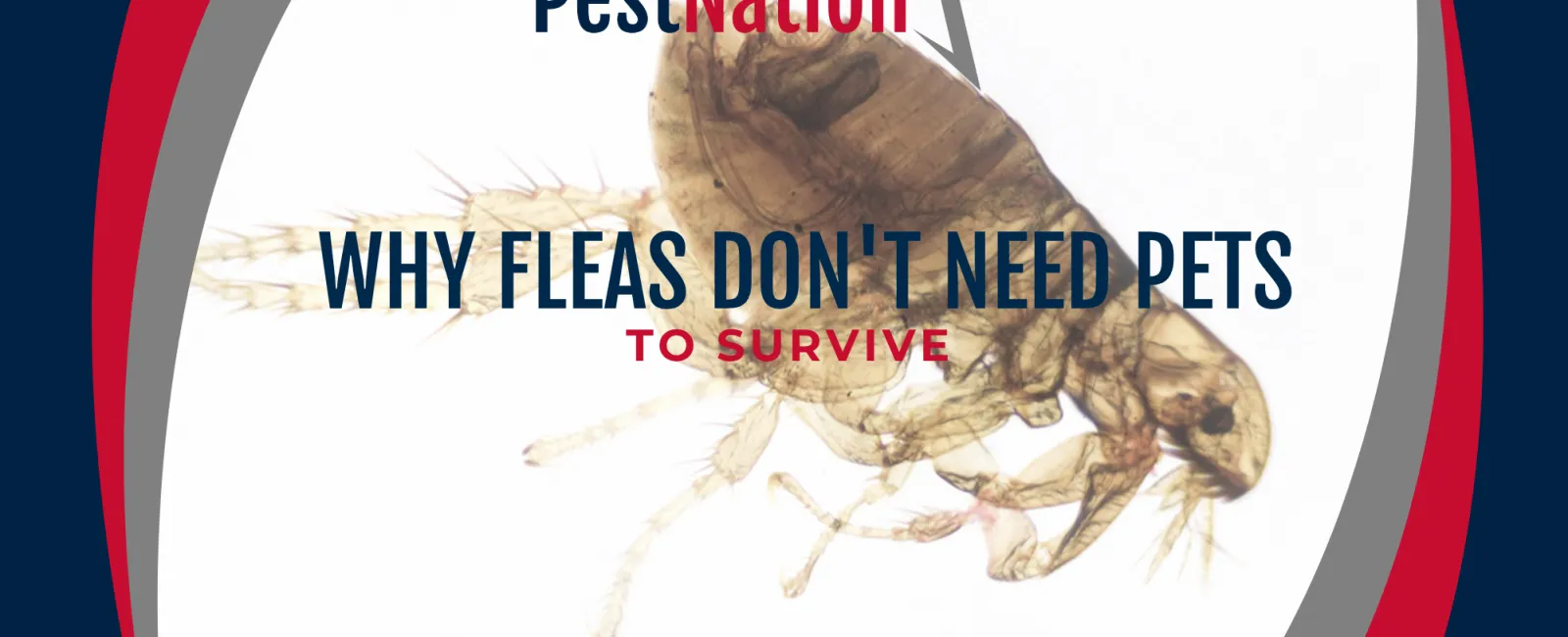
Many homeowners assume that flea problems only occur in homes with dogs or cats. As a result, people are often surprised to discover fleas in homes where no pets currently live or in properties where pets have been absent for months. Throughout the Southeast, including cities like Atlanta and Charlotte, as well as in Orlando and coastal communities that rely on Charleston pest control services, flea infestations are a common issue due to the region's warm temperatures and favorable environmental conditions. One of the most misunderstood aspects of flea infestations is the fact that fleas can survive and persist even when pets are not present.
While pets are one of the most common flea hosts, they are far from the only source of flea activity. Wildlife, previous infestations, hidden flea life stages, and environmental conditions can all contribute to persistent fleas in home environments. Many homeowners mistakenly focus only on treating pets and overlook the broader infestation occurring throughout the property. Through detailed PestNation pest inspections and comprehensive Atlanta, Charlotte, Orlando, and Charleston interior and exterior pest treatments, PestNation helps homeowners understand the full scope of flea infestations and implement effective Flea Control in the Southeast.
Understanding how fleas survive, reproduce, and remain active without pets is essential for achieving long-term flea treatment success. By addressing both the visible and hidden aspects of an infestation, homeowners can significantly reduce recurring flea problems and maintain a healthier indoor environment.
The Common Misconception About Fleas
One of the most widespread myths about fleas is that they cannot survive without dogs or cats.
While pets often serve as primary hosts, fleas are highly adaptable parasites capable of using multiple sources for survival.
Potential flea hosts include:
- Dogs
- Cats
- Rodents
- Raccoons
- Opossums
- Squirrels
- Wildlife
- Humans in some situations
This adaptability allows fleas to remain active even when household pets are absent.
In Atlanta and Charlotte homes, wildlife activity around structures frequently contributes to flea infestations. Orlando and Charleston pest control environments often experience even greater wildlife pressure due to dense vegetation and favorable climates.
Because fleas can use multiple hosts, removing pets alone rarely solves an existing infestation.
Understanding the Flea Life Cycle
One reason flea infestations persist is the complexity of the flea life cycle.
Fleas develop through four stages:
- Egg
- Larva
- Pupa
- Adult
Adult fleas are only a small percentage of the overall population.
Most flea infestations consist primarily of:
- Hidden eggs
- Developing larvae
- Protected pupae
These immature stages can remain concealed within the environment for extended periods.
PestNation pest inspections often reveal that homeowners are only seeing a fraction of the actual infestation.
Understanding the life cycle is critical when developing an effective flea treatment strategy.
Flea Eggs Can Remain Hidden for Weeks
Adult fleas lay eggs that fall off hosts and into the environment.
Common locations include:
- Carpets
- Rugs
- Furniture
- Pet bedding
- Flooring cracks
- Baseboards
Once deposited, eggs may remain unnoticed until they hatch.
Even if pets are removed from the home, existing eggs continue developing.
In Atlanta, Charlotte, Orlando, and Charleston interior and exterior pest treatments, hidden flea eggs are often a major reason infestations persist after homeowners believe the problem has been resolved.
This delayed development creates the impression that fleas have "returned" when they were actually present all along.
The Protective Nature of Flea Pupae
The pupal stage is one of the biggest challenges in flea control.
During this stage:
- Fleas develop inside protective cocoons
- They remain hidden from view
- Many treatments cannot easily penetrate the cocoon
Pupae can remain dormant until conditions become favorable.
Common triggers include:
- Vibrations
- Heat
- Carbon dioxide
- Host activity
This means fleas may emerge weeks or even months after an area appears flea-free.
Professional flea treatment programs are designed to account for these delayed emergence patterns.
Wildlife Often Introduces Fleas
Many homeowners without pets unknowingly experience flea activity because wildlife introduces fleas onto the property.
Common flea-carrying animals include:
- Raccoons
- Opossums
- Rodents
- Feral cats
- Squirrels
These animals may:
- Travel through crawl spaces
- Nest under decks
- Enter attics
- Move through landscaping
In Charleston and Orlando pest control environments, wildlife activity frequently contributes to recurring flea problems.
Atlanta and Charlotte homes are also vulnerable, particularly when wooded areas or dense landscaping are present nearby.
This is one reason Flea Control in the Southeast often involves evaluating both indoor and outdoor conditions.
Fleas Can Survive in Carpets and Furniture
Fleas do not spend their entire lives on hosts.
Many stages of development occur within the home environment itself.
Common harborages include:
- Carpeting
- Upholstered furniture
- Area rugs
- Bedding
- Storage areas
These locations provide:
- Shelter
- Warmth
- Protection
As a result, fleas in home environments may continue developing even without constant access to pets.
PestNation pest inspections frequently identify hidden harborages contributing to ongoing infestations.
Vacant Homes Can Still Have Flea Problems
Another surprising fact is that vacant homes may continue experiencing flea activity.
This occurs because:
- Eggs remain present
- Pupae remain dormant
- Wildlife continues introducing fleas
When new occupants move into the property, vibrations and activity may trigger flea emergence.
Homeowners often assume the infestation began recently when the fleas may have been developing for weeks or months.
This phenomenon is particularly common in the Southeast due to extended flea activity seasons.
Why Warm Weather Increases Flea Survival
Climate plays a major role in flea infestations.
Fleas thrive in:
- Warm temperatures
- Moderate to high humidity
- Protected indoor environments
The Southeast provides ideal conditions for flea development.
In Orlando and Charleston pest control environments, high humidity allows fleas to remain active throughout much of the year.
Atlanta and Charlotte also experience long periods of favorable flea activity.
Because environmental conditions remain supportive, flea infestations often persist longer than homeowners expect.
Why DIY Flea Treatment Often Fails
Many homeowners attempt to eliminate fleas using over-the-counter products.
However, DIY treatments often fail because they:
- Target only adult fleas
- Miss hidden eggs and larvae
- Do not address pupae
- Ignore outdoor sources
As a result, flea populations continue developing despite treatment efforts.
Professional flea treatment programs focus on every stage of the flea life cycle.
This comprehensive approach improves long-term control effectiveness.
The Importance of Professional Inspections
PestNation pest inspections help determine:
- Infestation severity
- Hidden flea harborages
- Wildlife-related activity
- Environmental risk factors
- Outdoor sources contributing to infestation
In Atlanta, Charlotte, Orlando, and Charleston pest control environments, inspections frequently uncover factors homeowners were unaware of.
This information allows for more targeted and effective treatment planning.
Comprehensive Flea Treatment Strategies
Successful flea treatment typically involves multiple components.
Atlanta, Charlotte, Orlando, and Charleston interior and exterior pest treatments may include:
- Interior treatment applications
- Targeting carpets and furniture
- Growth regulators
- Outdoor treatment recommendations
- Wildlife-related assessments
- Follow-up monitoring
By addressing both visible and hidden stages, these programs help reduce long-term infestation risks.
Comprehensive treatment is particularly important in areas with high flea pressure.
Prevention Tips for Homeowners
Long-term flea prevention often includes:
- Regular vacuuming
- Washing bedding frequently
- Maintaining landscaping
- Reducing wildlife access
- Inspecting crawl spaces and attics
- Scheduling routine inspections
These measures help reduce the environmental conditions that support flea populations.
Combined with professional treatment, prevention strategies significantly improve long-term results.
Why Ongoing Monitoring Matters
Because fleas can remain hidden for extended periods, ongoing monitoring is often necessary.
Regular inspections help:
- Detect new activity early
- Monitor treatment effectiveness
- Identify recurring risk factors
- Reduce reinfestation potential
Preventative pest management is often far more effective than waiting until flea populations become obvious.
Routine monitoring is particularly important in the Southeast, where flea activity remains elevated for much of the year.
Many homeowners mistakenly believe fleas require pets to survive, but fleas are highly adaptable pests capable of persisting in homes through hidden life stages, wildlife activity, and favorable environmental conditions. Eggs, larvae, and pupae can remain concealed throughout a property long after pets are gone, while wildlife continues introducing new flea populations from outdoors. This ability to survive independently is one reason flea infestations can be surprisingly difficult to eliminate.
For homeowners in Atlanta and Charlotte, as well as in Orlando and coastal communities served by Charleston pest control professionals, effective Flea Control in the Southeast requires a comprehensive understanding of the flea life cycle and the environmental conditions supporting infestation activity. Through detailed PestNation pest inspections and comprehensive Atlanta, Charlotte, Orlando, and Charleston interior and exterior pest treatments, PestNation helps homeowners implement effective flea treatment strategies designed for long-term results. By addressing hidden flea populations, reducing wildlife-related risks, and maintaining proactive prevention efforts, homeowners can significantly reduce recurring fleas in home environments and maintain a healthier, more comfortable living space.