
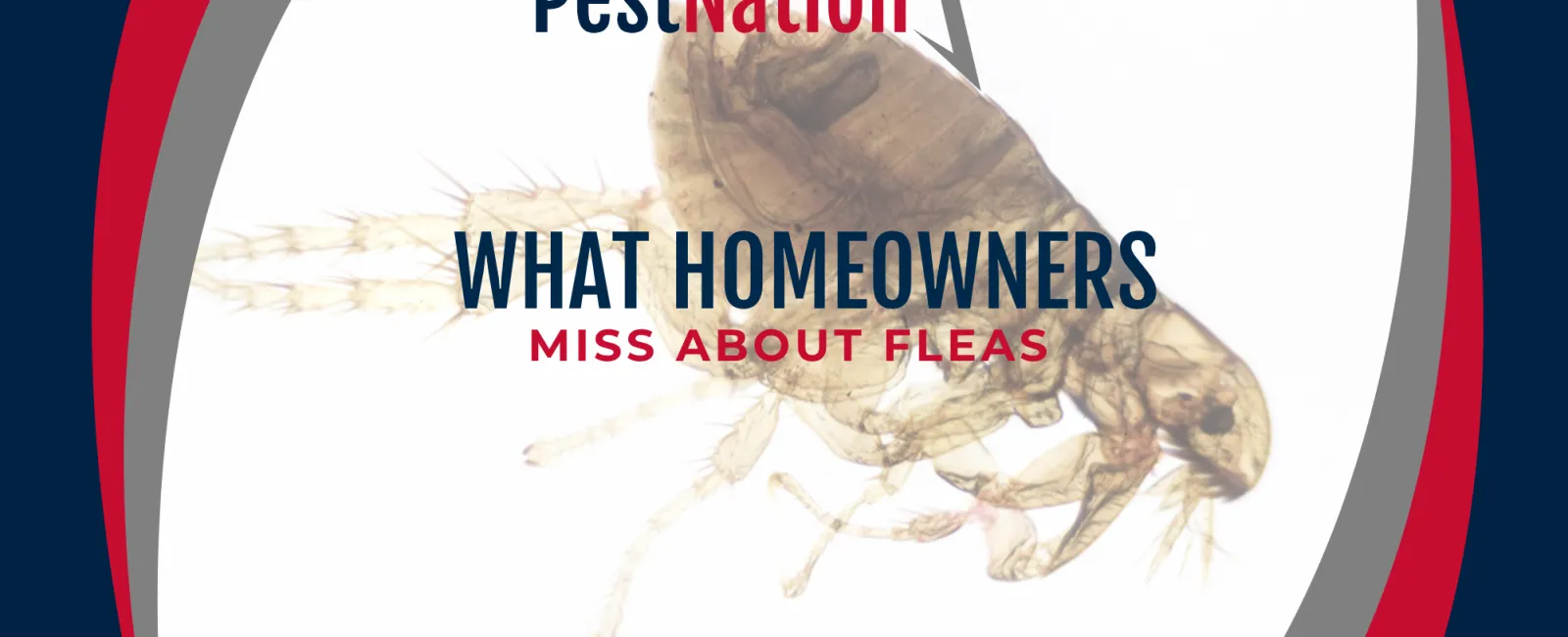
Fleas are one of the most frustrating and misunderstood household pests homeowners encounter. Many people associate fleas only with pets, but flea infestations often extend far beyond animals themselves. In cities like Atlanta and Charlotte, as well as in Orlando and coastal areas that rely on Charleston pest control services, warm temperatures and humidity create ideal conditions for fleas to survive and reproduce throughout much of the year. Because of this, flea infestations can spread rapidly inside homes before homeowners fully realize the severity of the problem.
One of the biggest mistakes homeowners make is focusing only on visible fleas while overlooking the hidden stages of infestation. Adult fleas are often only a small percentage of the overall population inside a home. Eggs, larvae, and pupae can remain hidden deep within carpets, furniture, flooring, bedding, crawl spaces, and pet resting areas. Through detailed PestNation pest inspections and comprehensive Atlanta, Charlotte, Orlando, and Charleston interior and exterior pest treatments, PestNation helps homeowners identify the full scope of flea activity and implement long-term flea control strategies designed to reduce recurring infestations.
Fleas are highly adaptive pests that thrive in hidden environments and reproduce quickly under favorable conditions. Understanding what most homeowners miss about flea infestations is essential for achieving effective pest control and maintaining a healthier indoor environment.
Why Fleas Thrive in the Southeast
The Southeastern climate provides nearly ideal conditions for flea populations to survive year-round.
Several environmental factors contribute to this, including:
- Warm temperatures
- High humidity levels
- Mild winters
- Abundant wildlife and pet activity
In Atlanta and Charlotte homes, fleas remain active for extended periods because seasonal cold weather is often limited. Orlando and Charleston pest control environments experience even longer flea activity due to subtropical and coastal conditions.
Unlike colder regions where winter slows flea reproduction significantly, the Southeast supports continuous breeding cycles throughout much of the year.
This prolonged activity is one reason flea infestations can escalate quickly inside homes.
Understanding the Flea Life Cycle
One of the most important things homeowners often miss is how flea infestations develop.
A flea infestation consists of several life stages:
- Eggs
- Larvae
- Pupae
- Adult fleas
Adult Fleas Are Only a Small Portion
Visible adult fleas usually make up only a small percentage of the infestation.
The majority of the problem often exists as:
- Eggs hidden in carpets
- Larvae buried in fibers and cracks
- Pupae protected inside cocoons
This hidden activity allows infestations to persist even after homeowners believe the fleas are gone.
PestNation pest inspections help identify these hidden stages and evaluate the full infestation level.
Why Fleas Spread Beyond Pets
Many homeowners assume fleas only remain on pets, but adult fleas frequently spread throughout the home environment.
Common infestation areas include:
- Carpets and rugs
- Upholstered furniture
- Bedding
- Baseboards
- Pet resting areas
- Crawl spaces and flooring cracks
As pets move through the home, fleas and eggs are distributed into multiple areas.
In Atlanta and Charlotte homes, indoor carpeting often becomes a major harboring area. Orlando and Charleston pest control professionals frequently encounter flea activity in humid crawl spaces and shaded outdoor areas connected to the home.
This widespread distribution is one reason flea control requires treating both pets and the surrounding environment.
Why Flea Infestations Often Go Unnoticed
Flea infestations can remain hidden for extended periods before becoming obvious.
Several factors contribute to this:
- Eggs and larvae are extremely small
- Fleas hide deep in fabrics and flooring
- Activity increases gradually over time
- Fleas often remain concentrated near pet resting areas initially
Many homeowners do not realize an infestation exists until:
- Pets begin scratching excessively
- Flea bites appear on people
- Adult fleas become more visible
By this point, the infestation may already be well established.
PestNation pest inspections help identify early warning signs before infestations worsen significantly.
Hidden Harborages Inside the Home
Fleas prefer dark, protected environments with access to warmth and organic material.
Common hidden harborages include:
- Carpet fibers
- Under furniture
- Pet bedding
- Cracks in hardwood flooring
- Baseboards
- Closets and storage spaces
Flea larvae avoid light and often develop deep inside hidden areas where homeowners rarely inspect.
In Charleston and Orlando pest control environments, moisture-rich conditions may also support flea development in crawl spaces and shaded outdoor areas.
Because these harborages are difficult to reach, DIY treatment often misses large portions of the infestation.
The Role of Wildlife and Outdoor Activity
Outdoor environments frequently contribute to flea infestations indoors.
Wildlife such as:
- Raccoons
- Opossums
- Rodents
- Stray cats
can introduce fleas around the property.
Pets may then carry fleas inside after spending time outdoors.
In Atlanta, Charlotte, Orlando, and Charleston pest control environments, dense landscaping and wooded areas often increase exposure to flea-carrying wildlife.
This connection between outdoor and indoor activity is one reason comprehensive flea control often includes exterior treatment recommendations.
Why Humidity Increases Flea Problems
Humidity plays a major role in flea survival and reproduction.
Fleas thrive in environments with:
- Warm temperatures
- Moderate to high humidity
- Protected hiding spaces
In dry conditions, flea eggs and larvae are less likely to survive.
However, the Southeast's humid climate supports rapid flea development throughout much of the year.
This is especially important in Orlando and Charleston pest control environments, where humidity remains consistently high.
Controlling moisture around the property can help reduce long-term flea pressure.
Why DIY Flea Treatments Often Fail
Many homeowners attempt to manage flea infestations using over-the-counter sprays or foggers, but these methods frequently provide only temporary relief.
Common reasons DIY efforts fail include:
- Only targeting adult fleas
- Missing hidden eggs and larvae
- Failing to treat the full environment
- Ignoring outdoor flea sources
Flea pupae are especially difficult because cocoons protect them from many surface treatments.
As a result, new adult fleas may continue emerging weeks after treatment.
Professional flea control focuses on disrupting the entire life cycle rather than just visible activity.
The Importance of Professional Pest Inspections
Professional flea inspections help determine:
- Infestation severity
- Hidden harborages
- Moisture conditions
- Structural vulnerabilities
- Outdoor sources contributing to activity
PestNation pest inspections evaluate both interior and exterior conditions contributing to flea infestations.
In Atlanta, Charlotte, Orlando, and Charleston pest control environments, inspections often reveal overlooked environmental factors sustaining the infestation.
This allows pest professionals to create targeted treatment plans designed for long-term flea control.
Integrated Flea Control Strategies
Effective flea control requires a comprehensive approach that addresses every stage of the infestation.
Atlanta, Charlotte, Orlando, and Charleston interior and exterior pest treatments may include:
- Interior treatment applications
- Targeting carpets and furniture
- Growth regulators to interrupt reproduction
- Exterior yard treatments
- Recommendations for pet treatment coordination
This integrated approach improves long-term pest control effectiveness and reduces recurring infestations.
Why Follow-Up Treatments Are Often Necessary
Flea infestations rarely disappear immediately after one treatment.
This is because:
- Eggs may hatch after treatment
- Pupae may continue developing
- Environmental conditions may still support activity
Follow-up treatments help:
- Eliminate newly emerged fleas
- Monitor remaining activity
- Reinforce long-term prevention
In the Southeast, recurring flea pressure often makes ongoing monitoring especially important.
Prevention Strategies for Homeowners
Homeowners can reduce flea infestation risks through proactive prevention strategies.
Important prevention measures include:
- Regular pet flea prevention programs
- Frequent vacuuming
- Washing pet bedding regularly
- Reducing indoor clutter
- Maintaining landscaping and yard conditions
- Scheduling routine pest inspections
These steps help reduce flea survival and improve treatment effectiveness.
Long-Term Pest Prevention Matters
Because flea infestations can return quickly under favorable conditions, long-term prevention is critical.
Routine pest management services help:
- Detect early flea activity
- Reduce environmental attractants
- Monitor recurring risks
- Maintain treatment effectiveness
Preventative pest control is often far more effective and affordable than waiting until infestations become severe.
Fleas are far more complex than many homeowners realize. While visible adult fleas may seem like the primary problem, most infestations actually exist hidden within carpets, furniture, flooring, and protected harborages throughout the home. In the Southeast, warm temperatures and humidity create ideal conditions for fleas to reproduce rapidly and remain active for much of the year. Without comprehensive treatment and prevention, infestations can persist long after the first signs appear.
For homeowners in Atlanta and Charlotte, as well as in Orlando and coastal areas served by Charleston pest control professionals, effective flea control requires more than surface-level treatment. Through detailed PestNation pest inspections and comprehensive Atlanta, Charlotte, Orlando, and Charleston interior and exterior pest treatments, PestNation helps homeowners identify hidden flea activity and implement long-term flea infestation prevention strategies. By addressing every stage of the flea life cycle and improving environmental conditions around the property, homeowners can reduce recurring infestations and maintain a healthier, more comfortable living environment year-round.