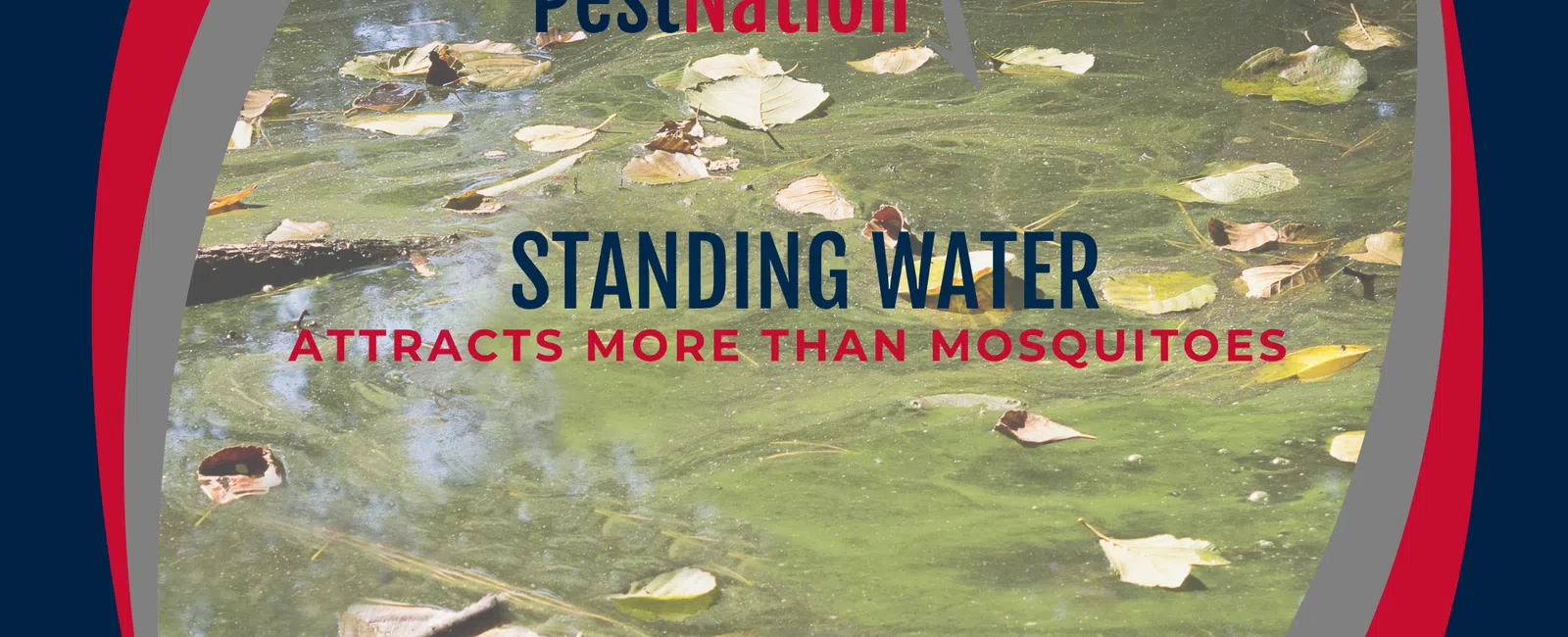
Standing water is often associated with mosquitoes, but its impact on pest activity extends far beyond one insect. Water that remains around a home or commercial property creates an environment that supports numerous pests, many of which rely on moisture for survival, reproduction, or shelter. Whether caused by poor drainage, clogged gutters, overwatering, or leaking plumbing, standing water can quickly transform a healthy landscape into an attractive habitat for unwanted visitors.
Understanding the connection between standing water pests and property maintenance is one of the most effective ways to improve Outdoor Pest Prevention. Eliminating excess moisture not only reduces mosquito breeding sites but also discourages ants, cockroaches, rodents, flies, and other pests that thrive in damp environments. For homeowners, renters, property managers, and business owners, identifying and correcting water issues early can significantly reduce the likelihood of recurring pest problems.
Why Standing Water Creates Pest Problems
Many pests require moisture to survive, even if they do not breed directly in water.
Standing water often provides:
- Drinking water
- Increased humidity
- Cooler temperatures
- Damp soil
- Favorable breeding conditions
- Healthy vegetation that attracts insects
Even small amounts of water can support pest activity when left untreated.
Common locations where water accumulates include:
- Birdbaths
- Plant saucers
- Clogged gutters
- Low spots in lawns
- Children's toys
- Tarps
- Buckets
- Outdoor furniture
- Pool covers
- Poorly draining flower beds
Routine inspections of these areas are an important part of effective mosquito prevention and general pest management.
Mosquitoes Are the Most Recognized Water-Related Pest
Mosquitoes are perhaps the best-known example of pests associated with standing water.
Female mosquitoes lay eggs in stagnant water, where larvae develop before emerging as adults.
Breeding sites may include:
- Buckets
- Tires
- Flowerpots
- Decorative fountains
- Rain barrels
- Clogged gutters
- Drainage ditches
- Abandoned containers
Some mosquito species require only a very small amount of water to reproduce.
This is why routine water management remains one of the most important mosquito prevention strategies.
Standing Water Also Attracts Cockroaches
Cockroaches need moisture to survive.
While they typically hide during daylight hours, they often emerge at night to search for water.
Outdoor moisture sources near foundations increase the likelihood that cockroaches will remain close to structures before eventually moving indoors.
Common contributors include:
- Overflowing gutters
- Leaking outdoor faucets
- Irrigation system leaks
- Poor drainage around foundations
Reducing excess moisture makes outdoor environments less attractive to cockroaches.
Ants Need Moisture Too
Many ant species establish colonies in damp soil.
Standing water contributes to:
- Softer soil for tunneling
- Increased insect activity for food
- Healthy vegetation that supports aphids and other food sources
During dry weather, ants may also move indoors searching for water when outdoor moisture becomes inconsistent.
Managing drainage helps reduce favorable nesting conditions around the home.
Flies Benefit from Moist Conditions
Several fly species reproduce in moist organic material.
Standing water combined with:
- Grass clippings
- Leaf litter
- Compost
- Animal waste
creates ideal breeding conditions for nuisance flies.
Proper sanitation and drainage reduce these opportunities.
Rodents Are Drawn to Reliable Water Sources
Like all animals, rodents require water.
Standing water provides dependable hydration for:
- Mice
- Rats
- Squirrels
Properties with abundant food, shelter, and water become significantly more attractive to rodent populations.
Removing standing water is an important part of long-term rodent prevention.
Damp Landscapes Encourage Other Moisture-Loving Pests
Excess moisture also attracts:
- Earwigs
- Millipedes
- Centipedes
- Slugs
- Snails
- Silverfish
While many of these pests remain outdoors, prolonged moisture near foundations increases the likelihood they will eventually enter nearby structures.
Maintaining dry conditions around the home supports effective Outdoor Pest Prevention.
Landscaping Influences Water Drainage
Poor landscape design often contributes to standing water.
Common problems include:
- Improper grading
- Compact soil
- Blocked drainage systems
- Overwatering
- Dense mulch
- Low-lying landscape beds
Improving drainage benefits both plant health and pest management.
Proper grading directs water away from foundations while reducing favorable pest conditions.
Gutters Play a Bigger Role Than Many Homeowners Realize
Clogged gutters frequently become overlooked mosquito breeding sites.
Leaves and debris trap rainwater, allowing stagnant pools to develop.
Overflowing gutters also contribute to:
- Foundation moisture
- Soil erosion
- Landscape saturation
- Wood rot
- Increased humidity around structures
Cleaning gutters regularly supports both home maintenance and Mosquito Control.
Irrigation Systems Can Accidentally Create Pest Habitats
Automatic irrigation systems improve landscape health but can also create excessive moisture.
Common issues include:
- Broken sprinkler heads
- Overwatering
- Misaligned spray patterns
- Leaking valves
Water should soak into the soil rather than remain pooled for extended periods.
Routine irrigation inspections help eliminate unnecessary moisture.
Seasonal Weather Affects Standing Water
Heavy rainfall often increases pest pressure.
Spring and summer typically bring:
- Frequent storms
- Warm temperatures
- Rapid mosquito development
- Increased insect populations
After major rain events, homeowners should inspect the property for newly developed standing water.
Prompt drainage significantly reduces breeding opportunities.
Outdoor Pest Prevention Starts with Water Management
One of the most effective Outdoor Pest Prevention strategies involves eliminating unnecessary water sources.
Helpful practices include:
- Empty containers regularly
- Clean gutters
- Repair plumbing leaks
- Adjust irrigation schedules
- Fill low landscape areas
- Improve grading
- Remove debris
- Maintain drainage systems
Small improvements often produce significant reductions in pest activity.
Professional Pest Inspections Identify Moisture Risks
Water-related pest problems often develop gradually.
Professional PestNation pest inspections evaluate:
- Drainage issues
- Moisture accumulation
- Landscape conditions
- Foundation concerns
- Mosquito breeding sites
- Cockroach harborage
- Ant colonies
- Rodent activity
Early identification allows corrective measures before pest populations become established.
Mosquito Control Requires More Than Spraying
While treatments help reduce adult mosquito populations, lasting Mosquito Control depends on eliminating breeding habitats.
Integrated mosquito management often includes:
- Source reduction
- Standing water removal
- Vegetation management
- Larval control
- Adult mosquito treatments
- Routine inspections
Combining these strategies provides more consistent long-term results than relying on treatment alone.
How PestNation Helps Protect Homes from Standing Water Pests
At PestNation, effective Pest Control begins with identifying the environmental conditions that allow pests to thrive. Standing water is one of the most common contributors to recurring outdoor pest activity, making moisture management an essential part of long-term prevention.
Whether customers need Residential Pest Control, Mosquito Control, Outdoor Pest Prevention, or comprehensive PestNation pest inspections, experienced technicians evaluate drainage, landscaping, irrigation, moisture conditions, and structural vulnerabilities that contribute to standing water pests.
Homeowners searching for Atlanta pest control, Charlotte pest control, Orlando pest control, or Charleston pest control benefit from customized treatment plans designed to address mosquitoes, ants, cockroaches, rodents, spiders, and other common pests while helping prevent future infestations.
PestNation also provides Atlanta interior and exterior pest treatments, Charlotte interior and exterior pest treatments, Orlando interior and exterior pest treatments, and Charleston interior and exterior pest treatments. These comprehensive services combine exterior applications, interior treatments, inspections, and preventative recommendations that address both active pest problems and the environmental conditions that support them.
Standing water is much more than a mosquito problem. It creates an environment that supports a wide variety of insects and rodents, increasing the likelihood of pest activity around homes and businesses. By understanding the connection between standing water pests and excess moisture, property owners can take proactive steps that reduce breeding sites, improve drainage, and create less favorable conditions for unwanted pests.
Consistent maintenance, routine inspections, proper drainage, and effective mosquito prevention strategies are key components of a comprehensive pest management plan. When combined with professional Pest Control, Mosquito Control, and regular PestNation pest inspections, these efforts help protect your property, improve outdoor comfort, and reduce the risk of recurring infestations throughout every season.