Pest problems rarely resolve on their own. What begins as a minor nuisance—an occasional ant trail in the kitchen or a scratching sound behind a wall—can quickly escalate into a full-scale infestation. Many property owners delay action, hoping over-the-counter solutions will be sufficient. However, postponing professional pest control often allows infestations to expand, increasing health risks, structural damage, and remediation costs.
Recognizing early warning signs is critical. Whether you live in a single-family home, manage a commercial facility, or oversee rental properties, understanding when to seek expert assistance can protect both occupants and property value. Companies such as PestNation provide structured solutions that go beyond temporary fixes. Through detailed assessments and comprehensive interior and exterior treatments, they address root causes rather than surface symptoms.
In rapidly growing metropolitan areas like Atlanta, Charlotte, and Charleston, climate conditions support year-round pest activity. Warm temperatures, humidity, and dense development create ideal environments for insects and rodents to thrive. If you observe any of the following warning signs, it may be time to schedule professional pest control immediately.
1. Visible Pest Activity During Daylight
Seeing pests during the day is often a sign of a larger, hidden population.
Many insects and rodents are nocturnal. When they begin appearing in daylight hours, it can indicate overcrowding within nesting areas. For example:
-
Cockroaches scattering when lights are turned on
-
Rodents crossing open spaces during the day
-
Ant trails persisting despite cleaning efforts
These behaviors suggest that the infestation has surpassed the structure's carrying capacity. At this stage, DIY treatments rarely address the entire colony or nest.
Professional pest control providers conduct a structured pest inspection process to identify nesting sites, entry points, and contributing environmental factors. Immediate intervention prevents exponential population growth.
2. Droppings, Urine Odors, or Smear Marks
Rodent droppings and urine present serious health hazards. Beyond the unpleasant appearance, they may contain bacteria and allergens that compromise indoor air quality.
Common signs include:
-
Small pellet-like droppings in cabinets or pantries
-
Ammonia-like odors from rodent urine
-
Grease marks along baseboards where rodents travel
Rodents reproduce rapidly. A pair of mice can produce dozens of offspring within months. Delaying professional pest control allows contamination to spread through insulation, ductwork, and wall voids.
In cities like Atlanta, Charlotte, and Charleston, rodent pressure increases during seasonal temperature shifts. Prompt Charleston pest control or regional services can prevent secondary damage to wiring, plumbing, and structural materials.
3. Structural Damage to Wood or Drywall
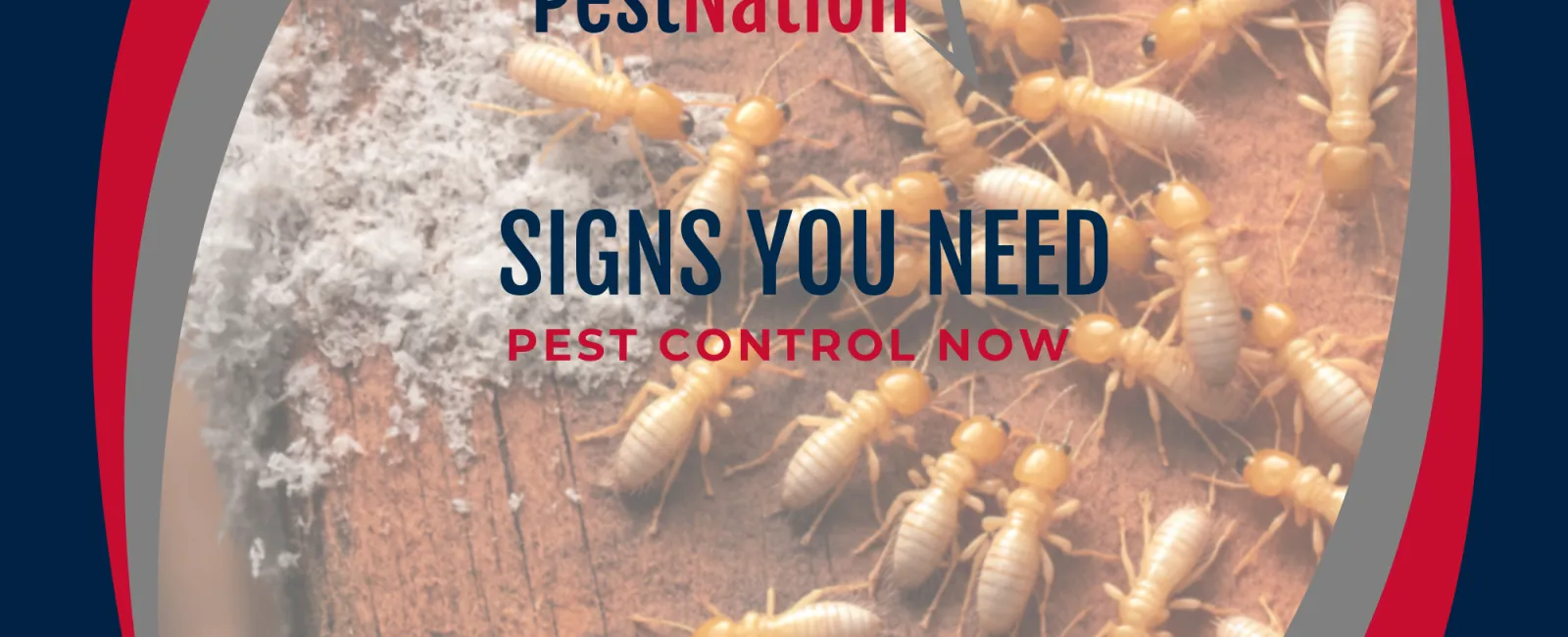
Wood-destroying organisms often operate silently. Termites, carpenter ants, and powderpost beetles may remain undetected until structural compromise becomes visible.
Warning indicators include:
-
Hollow-sounding wood
-
Bubbling paint or warped drywall
-
Discarded insect wings near windowsills
-
Mud tubes along foundations
Termite colonies can cause extensive damage before homeowners notice surface symptoms. The pest inspection process for suspected wood-destroying organisms includes probing wood members, moisture readings, and evaluation of crawlspaces and foundations.
Professional pest control services integrate both interior and exterior treatment strategies to eliminate colonies and create protective barriers against reinfestation.
4. Persistent Biting or Skin Irritation
Unexplained bites or skin irritation may signal bed bugs, fleas, or other parasitic pests.
Bed bugs, in particular, are adept at hiding in mattress seams, headboards, and upholstered furniture. Early infestations may involve only a small number of insects, but they reproduce quickly.
Signs that require immediate attention include:
-
Bite patterns in clusters or lines
-
Blood spots on sheets
-
Dark fecal stains on mattress seams
Because these pests spread easily through luggage, clothing, and shared walls in multi-unit buildings, professional pest control is essential to contain the infestation before it expands to adjacent units.
5. Unusual Sounds Inside Walls or Ceilings
Scratching, scurrying, or gnawing noises often indicate rodent or wildlife activity within wall cavities or attics.
These sounds typically intensify at night. Common causes include:
-
Mice nesting in insulation
-
Roof rats traveling through rafters
-
Squirrels entering through roof gaps
Beyond contamination risks, rodents can chew electrical wiring, increasing fire hazards. Immediate intervention through Atlanta, Charlotte, Charleston interior and exterior pest treatments can prevent structural and safety issues.
A comprehensive pest inspection process will evaluate attic spaces, crawlspaces, and rooflines to determine access points and nesting areas.
6. Sudden Increase in Flying Insects Indoors
A surge in flying insects may indicate breeding sites within the structure.
For example:
-
Swarming termites seeking new colony locations
-
Drain flies emerging from plumbing lines
-
Fruit flies breeding in hidden organic debris
Swarming termites are especially urgent. They often appear near windows or light sources and may shed wings indoors. This event typically signals an established colony nearby.
Professional pest control services can determine whether the colony is inside the structure or in the surrounding soil. Timely action prevents costly repairs.
7. Recurring Infestations Despite DIY Treatments
If pests return repeatedly after over-the-counter sprays or traps, the underlying source likely remains untreated.
DIY solutions often:
-
Address only visible insects
-
Fail to eliminate nests or colonies
-
Ignore structural entry points
-
Provide temporary relief
Professional pest control emphasizes long-term prevention. Providers like PestNation conduct detailed PestNation pest inspections to identify vulnerabilities such as foundation cracks, door gaps, and moisture issues.
Atlanta, Charlotte, and Charleston interior and exterior pest treatments focus on perimeter defense combined with targeted indoor applications, reducing reinfestation risk.
8. Strong, Musty, or Oily Odors
Certain pests produce distinctive odors.
-
Cockroaches emit oily, musty smells in heavy infestations
-
Rodent urine creates sharp ammonia scents
-
Dead pests inside walls cause decomposing odors
Persistent smells often indicate hidden infestations. Masking odors with air fresheners does not resolve the problem.
A professional pest inspection process includes identifying odor sources, locating carcasses, and addressing sanitation issues contributing to pest attraction.
9. Property Located in High-Risk Regions
Geographic location significantly influences pest pressure.
In Southeastern cities such as Atlanta, Charlotte, and Charleston, environmental factors contribute to:
-
Year-round termite activity
-
High cockroach populations
-
Seasonal rodent migration
-
Mosquito breeding near foundations
Homeowners in these areas should not wait for visible infestations. Preventive professional pest control programs are particularly important in humid climates where pests thrive continuously.
Charleston pest control strategies often incorporate moisture management due to coastal humidity. Similarly, Atlanta and Charlotte properties benefit from structured seasonal inspections to anticipate pest cycles.
10. Recent Construction or Renovation
Construction activities can disrupt soil and expose previously hidden colonies.
Renovation may:
-
Open structural gaps
-
Disturb termite tunnels
-
Remove natural barriers
-
Introduce new wood materials
Following renovations, scheduling PestNation pest inspections helps ensure new vulnerabilities are sealed and no infestations were triggered during construction.
The pest inspection process after renovation typically includes foundation assessments, attic evaluations, and verification of proper sealing around plumbing and electrical penetrations.
What to Expect from Professional Pest Control
Understanding the scope of service helps property owners make informed decisions.
Step 1: Comprehensive Inspection
Technicians assess:
-
Exterior foundation and landscaping
-
Entry points and gaps
-
Interior signs of activity
-
Moisture sources
-
Structural damage
This diagnostic phase forms the basis of the treatment plan.
Step 2: Customized Treatment Plan
No two infestations are identical. Professional pest control plans may include:
-
Interior targeted applications
-
Exterior perimeter barriers
-
Baiting systems
-
Exclusion repairs
-
Monitoring stations
Atlanta, Charlotte, and Charleston interior and exterior pest treatments are adapted to local pest pressures and property type.
Step 3: Ongoing Monitoring
Long-term prevention often requires scheduled follow-ups. Recurring inspections detect early signs before they escalate into major infestations.
Health and Financial Risks of Delayed Action
Ignoring pest warning signs can lead to significant consequences:
-
Structural repairs from termite damage
-
Electrical repairs from rodent chewing
-
Medical costs related to allergies or infections
-
Food contamination losses
-
Reduced property value
Professional pest control is an investment in both safety and asset protection.
Pest infestations rarely remain static. They grow, spread, and intensify over time. Early warning signs—such as droppings, structural damage, unusual odors, or visible insect swarms—should never be dismissed. Acting quickly protects indoor environments, reduces repair costs, and safeguards occupant health.
In regions like Atlanta, Charlotte, and Charleston, environmental conditions demand proactive management rather than reactive treatment. Routine PestNation pest inspections and comprehensive interior and exterior pest treatments provide structured defense against escalating infestations. By understanding the signs that require immediate attention, property owners can make informed decisions and secure reliable, long-term protection through professional pest control services.