
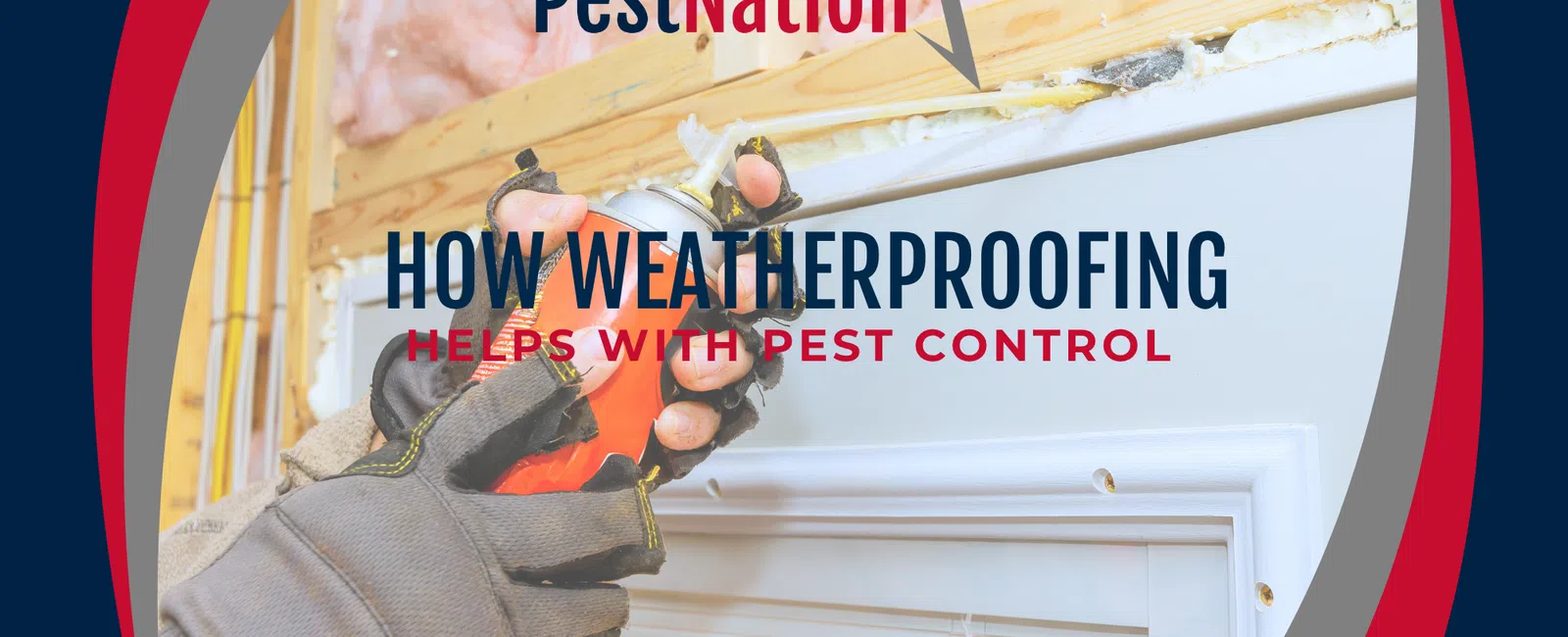
Weatherproofing is typically associated with energy efficiency, indoor comfort, and protection from rain, wind, and outdoor temperatures. Sealing gaps around windows, replacing worn weather stripping, repairing damaged screens, and installing door sweeps can all help limit unwanted air and moisture movement through a home's exterior. Those same improvements can serve another important purpose: reducing the number of openings pests can use to enter a structure.
The connection between weatherproofing pests and home maintenance comes down largely to exclusion. Insects, rodents, spiders, and other household pests frequently take advantage of small openings around doors, windows, utility penetrations, foundations, vents, siding, and rooflines. Weatherproofing can close many of these vulnerabilities while also improving the performance of the building envelope. However, weatherproofing is not a substitute for treating an active infestation. It works best as part of a broader prevention strategy that may include pest exclusion services, inspections, sanitation, moisture management, monitoring, and professional pest control when appropriate.
How Weatherproofing and Pest Exclusion Work Together
Weatherproofing and pest exclusion have different primary objectives, but many of the methods overlap.
Weatherproofing is generally intended to limit unwanted air or water movement through the building envelope. Pest exclusion focuses on preventing insects, rodents, and other pests from entering through physical openings.
Both may involve maintaining or improving:
- Door sweeps
- Weather stripping
- Caulking
- Window screens
- Door screens
- Utility penetrations
- Exterior vents
- Thresholds
- Siding
- Foundation openings
- Roofline components
When these areas are properly maintained, they create a more continuous physical barrier between indoor and outdoor environments.
Guidance from the U.S. EPA - Introduction to Integrated Pest Management identifies preventive measures such as reducing pest access and addressing conditions that allow pests to enter buildings, supporting the role of weatherproofing and structural maintenance in a broader pest-management strategy.
This preventive approach is particularly valuable because it addresses how pests are entering rather than focusing only on pests already visible indoors.
Why Small Openings Matter
Pest entry points are not always obvious.
Homeowners may look for large holes or visibly damaged exterior components while overlooking narrow gaps around doors, pipes, vents, and siding. Many insects need very little space to enter a building, while rodents can exploit surprisingly small structural openings.
Potential entry points include:
- Gaps beneath exterior doors
- Cracks around window frames
- Torn screens
- Openings around plumbing pipes
- Gaps surrounding electrical conduit
- Damaged siding
- Foundation cracks
- Unscreened vents
- Openings around HVAC lines
- Roofline gaps
Some openings may also expand gradually because of weather exposure, settlement, deterioration, or repeated movement of building components.
For this reason, effective Pest Exclusion Services require attention to the entire exterior rather than only locations where pests have already been seen.
Door Sweeps Close a Major Pest Entry Route
The space beneath an exterior door is one of the most common vulnerabilities around a home.
A properly installed door sweep helps close the gap between the bottom of the door and the threshold. When a sweep becomes damaged, worn, or misaligned, insects and other pests may gain easier access indoors.
Pests that may exploit door gaps include:
- Cockroaches
- Ants
- Crickets
- Spiders
- Earwigs
- Beetles
Larger gaps may also increase opportunities for mice or other small animals.
Homeowners can perform a simple visual check by standing inside near an exterior door during daylight. Visible light around the edges or beneath the door may indicate that the seal deserves closer inspection.
Door sweeps should make appropriate contact with the threshold without interfering with normal operation of the door.
Weather Stripping Needs Routine Maintenance
Weather stripping seals the movable edges of doors and windows.
Over time, these materials can:
- Crack
- Compress
- Tear
- Separate from the frame
- Become brittle
- Shift out of position
Once deterioration occurs, small gaps can develop along the perimeter of the opening.
Resources from the U.S. EPA - Pest Control Resources for Housing Managers discuss common pest entry concerns involving holes, damaged screens, doors, thresholds, vents, and other building openings, demonstrating how maintaining these areas can support effective pest exclusion.
Although this guidance is especially useful for housing managers, the same principles apply to single-family homes, rental properties, and other residential buildings.
Caulking Can Close Small Exterior Gaps
Caulk is commonly used to seal joints and cracks around building materials.
Potential locations include:
- Window frames
- Door frames
- Exterior trim
- Siding transitions
- Small foundation cracks
- Utility penetrations
Closing appropriate gaps can help limit air and moisture intrusion while simultaneously reducing pest access.
However, caulk is not permanent. Sunlight, temperature changes, moisture, building movement, and age can cause it to crack or separate.
Homeowners should periodically inspect previously sealed areas rather than assuming that an older application remains effective indefinitely.
Not every exterior opening should simply be filled with caulk. Some building components require drainage, movement, or ventilation, so repairs should be appropriate for the material and construction design.
Damaged Window and Door Screens Can Invite Pests Indoors
Screens allow homeowners to enjoy ventilation without leaving an unrestricted opening to the outdoors.
Their effectiveness depends on the condition of both the mesh and frame.
Common screen problems include:
- Tears
- Small holes
- Loose mesh
- Bent frames
- Missing sections
- Gaps around edges
- Poorly fitting screens
Flying insects may enter through surprisingly small defects, especially when interior lights attract them toward open windows after dark.
Spiders may subsequently appear around these areas because insects provide a readily available food source.
Repairing or replacing damaged screens is therefore one of the simplest forms of home pest exclusion.
Utility Penetrations Deserve Special Attention
Modern homes contain numerous pipes, wires, cables, refrigerant lines, and other utilities that pass through exterior walls.
Each penetration creates a potential opening.
Common examples include:
- Plumbing pipes
- Electrical conduit
- Cable lines
- Internet wiring
- HVAC refrigerant lines
- Gas piping
- Hose connections
If gaps remain around these penetrations, insects and other pests may use them to access wall voids, crawlspaces, basements, attics, or living areas.
Effective pest exclusion services often include identifying these less-obvious vulnerabilities and determining whether appropriate sealing or repair is needed.
Vents Need Protection Without Blocking Airflow
Homes require ventilation in several areas, and vents should not simply be sealed shut as a pest-control measure.
Instead, appropriate screening can help reduce pest entry while allowing the vent to continue performing its intended function.
Examples may include:
- Attic vents
- Crawlspace vents
- Gable vents
- Certain exhaust openings
Damaged or missing screening can provide direct access to concealed portions of the structure.
Guidance from UGA Extension - Insect and Arthropod Pests of Southeastern Neighborhoods discusses measures such as maintaining door sweeps, window screens, screened vents, sealed doors and windows, and structural openings, providing practical context for how weatherproofing can help reduce opportunities for pests to enter Southern homes.
Because ventilation requirements vary by building component, homeowners should use materials appropriate for the opening rather than installing a barrier that interferes with airflow or equipment operation.
Foundations Can Develop Pest Entry Points
Foundation walls and transitions between foundations and other building materials should also be inspected.
Potential concerns include:
- Cracks
- Open penetrations
- Gaps at material transitions
- Damaged vent covers
- Openings around crawlspace access doors
Some foundation cracks are primarily cosmetic, while others may warrant further structural evaluation. From a pest-prevention perspective, the important point is that exterior openings can provide concealed access into crawlspaces, wall cavities, or other protected areas.
Sealing appropriate pest entry points should be combined with attention to moisture and drainage around the foundation.
Siding and Exterior Trim Can Deteriorate
Siding is another important part of the home's exterior barrier.
Storms, impact damage, age, moisture, improper installation, and deterioration can create openings beneath or behind siding components.
Homeowners should watch for:
- Loose siding
- Missing sections
- Damaged trim
- Deteriorated wood
- Open joints
- Gaps around exterior fixtures
Pests entering behind siding may gain access to protected wall spaces where activity is much more difficult to detect.
Repairing exterior deterioration supports both building maintenance and Residential Pest Control prevention.
Rooflines and Attics Require Attention
The upper portions of a home are sometimes overlooked during pest prevention because they are difficult to inspect from the ground.
Possible pest access points may develop around:
- Fascia
- Soffits
- Roof transitions
- Gable vents
- Attic ventilation openings
- Damaged trim
These areas can be particularly important when rodents or other larger pests are involved.
Homeowners should avoid climbing onto roofs or high ladders simply to search for pest entry points. Areas that cannot be inspected safely should be evaluated by an appropriate professional.
Garages Are Common Transition Areas
Garage doors are large moving components that can develop substantial gaps as seals wear.
Check:
- Bottom seals
- Side seals
- Corners
- Door frames
- Thresholds
- The door between the garage and living space
A garage may provide pests with an intermediate shelter where they can remain protected before finding additional openings into the home.
Cardboard boxes, pet food, bird seed, stored materials, and clutter can make garages even more attractive once pests gain access.
Moisture Management Supports Pest Exclusion
Closing entry points is important, but homeowners should also consider why pests are approaching the structure.
Moisture can make areas around the foundation more favorable for cockroaches, ants, earwigs, and other organisms.
Common moisture sources include:
- Leaking outdoor faucets
- Clogged gutters
- Poor drainage
- Plumbing leaks
- Excess irrigation
- Standing water
- Damp crawlspaces
NC State Extension's information on Earwigs discusses their association with moist environments and their tendency to occasionally enter structures. This provides a useful example of why exclusion and moisture management often work better together than either strategy used independently.
Reducing access while also correcting favorable environmental conditions provides a stronger foundation for long-term prevention.
Sanitation Still Matters
A weatherproof home can still experience pest problems if food and shelter are readily available.
Effective prevention should also include:
- Cleaning food spills
- Storing food properly
- Securing trash
- Reducing clutter
- Managing pet food
- Removing unnecessary cardboard
- Cleaning beneath appliances
- Maintaining storage areas
The U.S. EPA - Smart Pest Control to Protect Your Health provides practical information about preventive pest-management practices, including limiting pest access to food, water, and shelter. This reinforces why structural exclusion is most effective when combined with good sanitation and property maintenance.
Weatherproofing Materials Deteriorate Over Time
One of the most important aspects of weatherproofing pests is ongoing maintenance.
Materials that worked well when installed may eventually fail.
Examples include:
- Caulk cracking
- Weather stripping compressing
- Door sweeps tearing
- Screen mesh separating
- Vent screens corroding
- Exterior trim deteriorating
- Thresholds shifting
Weather, ultraviolet exposure, temperature fluctuations, moisture, normal use, and building movement can all contribute to deterioration.
A home that was well sealed several years ago may therefore contain new pest entry points today.
How to Perform a Basic Exterior Pest-Entry Inspection
Homeowners can periodically walk around the exterior and look for visible vulnerabilities.
Pay particular attention to:
- Exterior doors
- Garage doors
- Windows
- Screens
- Foundation walls
- Crawlspace openings
- Utility penetrations
- HVAC lines
- Exterior faucets
- Siding
- Vents
- Soffits and fascia
- Areas where different building materials meet
Look for daylight, gaps, damaged materials, deteriorated seals, torn screens, or openings that appear large enough for pests to enter.
Also note nearby conditions such as standing water, dense vegetation, accumulated debris, or overflowing gutters that may encourage pests to remain close to the structure.
Why Pest Inspections Complement Weatherproofing
Homeowners can identify many exterior maintenance concerns themselves, but pest activity may not always be visible.
Professional PestNation Pest Inspections can help evaluate a property for evidence of pests and conditions that may support pest entry or infestation.
An inspection may identify:
- Active pest evidence
- Rodent entry points
- Exterior gaps
- Damaged screening
- Moisture concerns
- Pest harborage
- Structural vulnerabilities
Inspection findings can help determine whether exclusion alone is appropriate or whether additional Pest Control measures should be considered.
Weatherproofing Does Not Eliminate Existing Infestations
Sealing a home is primarily a preventive measure.
If pests are already established inside walls, attics, crawlspaces, or living areas, closing exterior openings may not resolve the infestation.
In some situations, sealing openings without first understanding existing activity can create additional complications. For example, rodents should not simply be trapped inside a structure by closing every suspected access point without an appropriate removal and exclusion strategy.
Professional rodent control may involve identifying active entry points, addressing existing animals, removing conducive conditions, and completing appropriate exclusion work.
This is why Pest Exclusion Services and active pest treatment should be coordinated when an infestation already exists.
A Broader Approach to Pest Prevention
Effective prevention combines multiple strategies rather than depending on one repair or product.
A comprehensive plan may include:
- Weatherproofing
- Structural pest exclusion
- Pest inspections
- Sanitation
- Moisture management
- Landscape maintenance
- Monitoring
- Rodent control when needed
- General pest treatments when appropriate
This approach addresses both how pests enter and why they may be attracted to the property.
Weatherproofing and Pest Control in Southeastern Homes
Homes throughout the Southeast face substantial environmental exposure, including heat, humidity, storms, heavy rainfall, and year-round pest pressure. These conditions can gradually affect exterior seals, screens, siding, caulk, and other materials.
Property owners searching for Atlanta Pest Control, Charlotte Pest Control, Orlando Pest Control, or Charleston Pest Control can benefit from paying close attention to building-envelope maintenance as part of their pest-prevention strategy.
Likewise, properties requiring Atlanta Interior and Exterior Pest Treatments, Charlotte Interior and Exterior Pest Treatments, Orlando Interior and Exterior Pest Treatments, or Charleston Interior and Exterior Pest Treatments may benefit from evaluating whether exterior entry points are contributing to recurring indoor activity.
Treating pests without correcting accessible entry routes can leave the underlying vulnerability unchanged.
How PestNation Supports Pest Exclusion
At PestNation, effective Residential Pest Control involves considering both active pest problems and the conditions that allow those problems to develop.
Depending on the property and pest involved, PestNation Pest Inspections can help identify evidence of activity, potential access points, and environmental conditions that deserve attention. Relevant Pest Exclusion Services can focus on reducing opportunities for pests to enter through appropriate structural openings, while rodent control and general Pest Control can address active problems when necessary.
Interior and exterior pest treatments can also be part of a broader management strategy when treatment is appropriate. Combining inspection, exclusion, maintenance, monitoring, and targeted treatment helps address pest problems more comprehensively than relying on weatherproofing or pesticide applications alone.
Weatherproofing can provide benefits that extend beyond energy efficiency and indoor comfort. Door sweeps, weather stripping, screens, caulk, sealed utility penetrations, maintained thresholds, screened vents, and exterior repairs can all reduce openings that insects and other household pests might otherwise exploit. For homeowners concerned about weatherproofing pests, maintaining these physical barriers is a practical way to strengthen the home's first line of defense.
At the same time, no amount of caulk or weather stripping can guarantee that a home will remain pest-free or eliminate an infestation that is already established. Effective pest prevention combines structural maintenance with sanitation, moisture management, monitoring, inspections, and professional pest exclusion services or Pest Control when appropriate. By periodically inspecting the exterior and addressing deterioration early, homeowners can improve the building envelope while making it more difficult for unwanted pests to find their way indoors.