
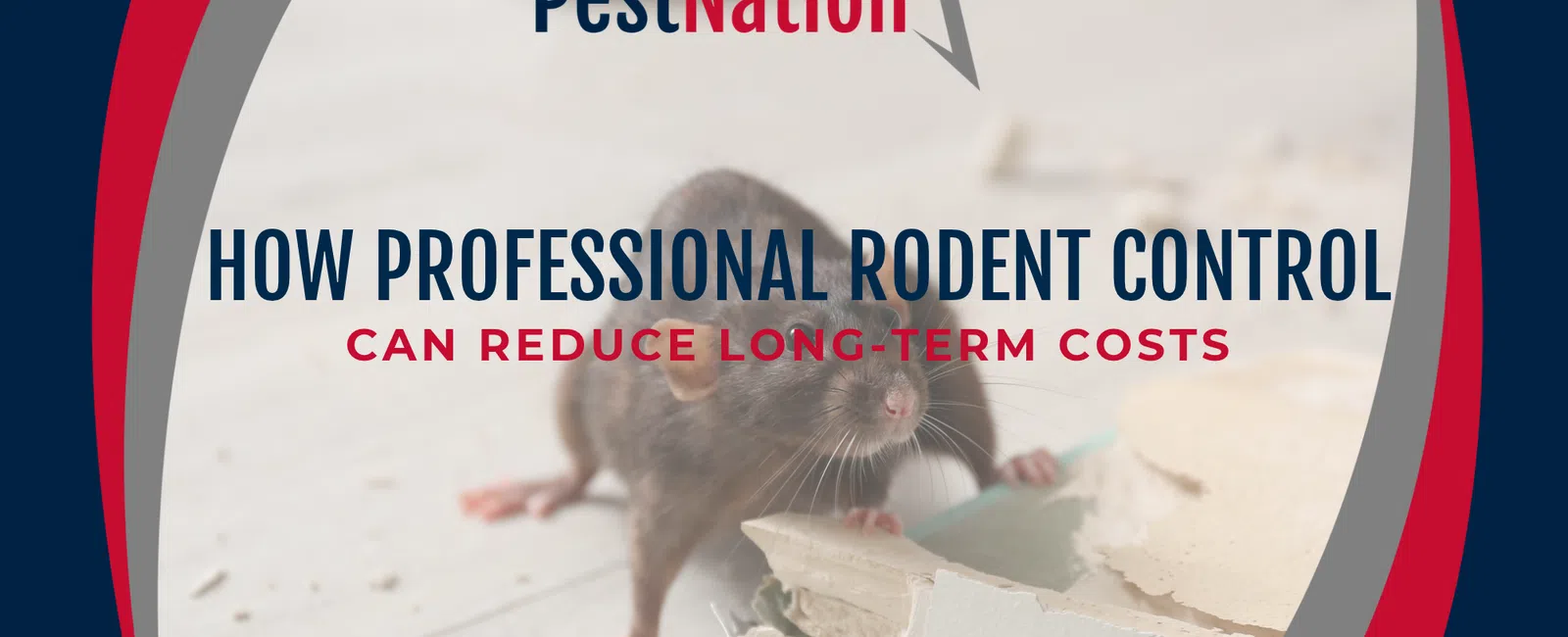
When homeowners discover mice or rats around their property, the first financial consideration is often the price of pest-control services. However, the potential expenses associated with rodent activity can extend beyond the initial service appointment. Depending on where rodents are active and how long the activity continues, homeowners may encounter damaged insulation, contaminated belongings, affected electrical wiring, or additional cleanup and repair needs.
Understanding the full rodent control cost involves considering both immediate pest-management expenses and potential property-related costs. Professional rodent management can help identify visible evidence, evaluate conditions contributing to activity, and recommend measures that may reduce opportunities for further damage. While no service can guarantee financial savings or prevent every future expense, timely inspection and appropriate pest prevention services can provide long-term value by helping homeowners make informed maintenance and management decisions.
Understanding the Total Cost of Rodent Activity
The cost of addressing rodents involves more than paying for an inspection or treatment. Homeowners may face two separate categories of expenses: direct pest-management costs and additional property-related costs.
Direct expenses may include professional inspection, rodent management, exclusion work, monitoring, and follow-up appointments. The actual price depends on factors such as property size, rodent species, severity of activity, accessibility, recommended management methods, and service requirements.
Property-related expenses are different. These may involve cleaning contaminated areas, replacing damaged belongings, evaluating insulation, repairing electrical components, or addressing affected building materials.
Not every rodent problem produces these additional expenses. However, recognizing the possibility helps homeowners understand why evaluating the complete situation is important when comparing service options.
How Early Inspection May Help Limit Additional Expenses
Rodent activity is not always immediately visible. Mice and rats may use attics, crawlspaces, garages, storage areas, or concealed spaces where homeowners rarely look.
By the time evidence becomes noticeable, some contamination or damage may already exist.
A professional pest inspection can help identify visible signs such as droppings, gnaw marks, nesting materials, damaged packaging, and other indicators of activity. Inspectors may also evaluate conditions that could support continued rodent presence.
The CDC - Rodent Control provides guidance on identifying rodent activity and reducing food, water, shelter, and other conditions that support rodents. This reinforces the value of investigating evidence promptly rather than waiting for additional signs to develop.
Early identification may provide an opportunity to address activity before more materials are affected. However, it does not guarantee lower repair costs, particularly when damage was already present before the inspection.
Rodent Gnawing Can Affect Household Materials
Mice and rats use their continuously growing incisors to gnaw on various materials. This behavior can affect items stored in areas where rodents travel or shelter.
Potentially affected materials include cardboard packaging, paper products, fabric, plastic, wood, and other accessible household goods.
The UC IPM - Rats discusses rat behavior, property damage, and management considerations. Its guidance helps explain why gnawing and contamination may create expenses beyond the initial cost of rodent-control services.
The financial impact depends on what materials are affected and whether they can be safely cleaned, repaired, or must be replaced.
A damaged cardboard box may represent a relatively minor expense, while damage involving electrical components or extensive insulation may require professional assessment.
Damaged Insulation May Create Additional Costs
Attics and crawlspaces can provide protected areas where rodents may move, nest, or shelter.
When activity occurs around insulation, rodents may disturb materials while moving or gathering nesting resources. Droppings, urine, and nesting debris can also contaminate affected areas.
However, discovering rodent evidence in an attic does not automatically mean all insulation must be replaced.
The extent of damage, contamination, accessibility, and condition of the material should be evaluated before cleanup or replacement decisions are made.
In some situations, homeowners may need professional assessment, specialized cleaning, removal, or replacement of affected materials. These services can create additional expenses separate from rodent management.
Pest-control professionals can address rodent activity and potential access conditions, while qualified insulation or remediation providers may be needed for material restoration.
Electrical Wire Damage Requires Qualified Evaluation
One potentially significant property concern is rodent wire damage.
Rodents may gnaw on electrical wire insulation when wiring is accessible in attics, crawlspaces, garages, or other building areas.
If wiring appears damaged, evaluation by a qualified electrician is important. Electrical repairs require appropriate expertise and should not be treated as ordinary pest-control work.
Not every rodent infestation causes electrical damage, and finding rodents does not automatically mean a home has an immediate fire hazard.
Nevertheless, suspected damage deserves professional attention because the condition of electrical components cannot be determined solely from the presence of rodent evidence.
Professional Rodent Control can help address the pest activity contributing to the concern, but it does not replace electrical inspection or repair.
Stored Belongings and Household Goods Can Be Affected
Rodents may encounter stored belongings in garages, sheds, basements, closets, attics, and other storage areas.
Clothing, fabric, furniture, cardboard boxes, paper products, and household supplies may be affected by gnawing, nesting, or contamination.
The cost of replacing these items depends on their condition, value, and whether appropriate cleaning is possible.
Food storage is another consideration.
Pantry products, pet food, bird seed, and other stored foods may attract rodents when accessible. Packaging damaged or contaminated by rodents may require disposal.
Proper food storage and sanitation can help reduce accessible resources while limiting some avoidable product losses.
These practices are not substitutes for professional management when active rodents are present, but they can complement the overall prevention strategy.
Building Materials May Require Repairs
Rodent activity can sometimes affect accessible building materials.
Gnawing or nesting may involve wood, plastic, insulation, or other components depending on the species, location, and duration of activity.
The nature of any resulting damage varies considerably. It would be inaccurate to suggest that rodents routinely cause major structural failure or that every rodent problem requires construction repairs.
However, concealed activity can delay discovery.
A homeowner may not notice evidence inside a crawlspace, attic, or wall-adjacent area until activity becomes more visible elsewhere.
When affected materials require repair or replacement, qualified construction or other trade professionals may need to evaluate the condition independently of pest-control services.
Rodent Cleanup Can Add to Property Expenses
Droppings, urine, nesting materials, and contaminated surfaces can create cleanup needs after rodent activity has been identified.
The scope of cleanup depends on the location, amount of contamination, materials involved, and accessibility.
A limited area may require a different response than extensive contamination in insulation or a difficult-to-access space.
Safe cleanup practices are important. Homeowners should follow current public-health guidance and avoid dry sweeping or ordinary vacuuming of rodent waste, which can disturb contaminated particles.
Extensive contamination or hazardous conditions may warrant specialized professional remediation.
PestNation's rodent-management services should not be confused with specialized contamination cleanup, insulation replacement, or structural restoration unless those services are separately confirmed.
Controlling rodents does not automatically restore materials that were previously damaged or contaminated.
Unresolved Entry Points Can Contribute to Repeated Expenses
Repeated rodent activity may result in additional pest-management expenses when underlying access conditions remain unresolved.
Potential entry points may occur around foundations, exterior doors, garage doors, vents, rooflines, soffits, fascia, siding, and utility penetrations.
The CDC - Seal Up to Prevent Rodents recommends inspecting and addressing openings that rodents may use to enter buildings. This supports the importance of evaluating structural access as part of preventive management rather than concentrating exclusively on rodents already inside.
Appropriate Pest Exclusion may reduce opportunities for additional rodents to enter.
However, exclusion work should be coordinated with management of rodents already present. Closing openings without considering existing activity can create additional complications.
Some conditions may also require roofing, electrical, plumbing, or construction professionals rather than pest-control technicians.
Sanitation and Habitat Management Support Prevention
Structural access is only one factor that may contribute to rodent activity.
Accessible food, water, clutter, vegetation, and sheltered storage areas can also influence whether a property remains favorable to mice or rats.
Common considerations include pet food, bird seed, garbage, pantry products, fallen fruit, moisture, dense vegetation, and stored materials.
Reducing these resources may help make a property less attractive to rodents.
For homeowners concerned about long-term expenses, these preventive measures can complement professional services by addressing conditions that might otherwise support continued activity.
However, sanitation alone does not guarantee that rodents will leave, particularly when animals are already established inside a structure.
Why Monitoring and Follow-Up Matter Financially
Follow-up inspections provide an opportunity to evaluate whether rodent-management measures are working.
Technicians may review new droppings, gnaw marks, nesting evidence, monitoring results, structural access, or environmental changes.
This information can help determine whether activity is declining or whether additional attention is appropriate.
Monitoring also supports better decisions about future services. Instead of assuming that repeated treatment is necessary, a professional can evaluate current evidence and explain what additional work, if any, is recommended.
Documentation of findings, completed work, and remaining concerns can help homeowners understand the purpose of each service.
The number and frequency of visits depend on the property, extent of activity, management methods, and service arrangement.
Integrated Pest Management Helps Prioritize Spending
Integrated Pest Management, or IPM, provides a useful framework for evaluating professional rodent services.
The U.S. EPA - Integrated Pest Management Principles emphasizes inspection, identification, prevention, monitoring, and appropriate management decisions. This approach supports addressing contributing conditions instead of relying solely on repeated treatments.
For rodent management, IPM may involve sanitation, habitat modification, exclusion, monitoring, and appropriate control measures.
From a financial perspective, this approach can help homeowners understand which recommendations address active rodents, which address access, and which involve preventive maintenance.
It does not guarantee a specific return on investment. Rather, it encourages decisions based on evidence and the needs of the property.
Comparing One-Time Services and Ongoing Pest Prevention
A one-time rodent-control service and an ongoing pest-management arrangement serve different purposes.
A one-time service may be appropriate when the problem and recommended work are limited. Other properties may benefit from additional follow-up or Ongoing Pest Services, particularly when recurring rodent pressure or environmental conditions require continued monitoring.
Neither approach is automatically the better financial choice for every home.
When reviewing service proposals, homeowners should consider the inspection scope, management methods, exclusion recommendations, follow-up expectations, and any separate cleanup or repair expenses.
The least expensive initial service is not necessarily the least expensive overall solution if important contributing conditions remain unaddressed. However, higher service prices do not automatically indicate better results.
Clear explanations and realistic expectations help homeowners compare what is actually included.
Professional Rodent Management Across the Southeast
Rodent-control needs vary across PestNation's Southeastern service areas.
Homes in Atlanta Pest Control and Charlotte Pest Control markets may have different construction styles, crawlspace conditions, vegetation, and seasonal rodent activity.
Properties within Orlando Pest Control and Charleston Pest Control markets may experience different moisture conditions, building designs, and surrounding environments.
These differences can influence inspection requirements, accessibility, exclusion needs, and the overall rodent control cost.
Through PestNation Pest Inspections, Residential Pest Control, Rodent Control, Pest Exclusion, and Ongoing Pest Services, homeowners can evaluate pest-related conditions and determine which management options may be appropriate.
Electrical repairs, insulation replacement, structural restoration, and specialized contamination remediation should be handled by appropriately qualified providers when necessary.
Making Informed Decisions About Rodent Control Costs
The financial impact of rodent activity can extend beyond the initial cost of professional pest management. Gnawed belongings, damaged insulation, affected electrical wiring, contaminated materials, and necessary cleanup or repairs may create additional expenses depending on the property and extent of activity.
Professional inspection can help identify visible evidence and contributing conditions before additional problems develop. While early detection does not guarantee lower costs, it can give homeowners useful information for prioritizing rodent management, structural maintenance, and any necessary evaluations by other qualified professionals.
Long-term pest prevention services can also provide value when they address the conditions associated with recurring activity. Exclusion, sanitation, habitat modification, monitoring, and appropriate control measures work together to support a more complete management strategy. Their value depends on the actual needs of the property rather than a promise of specific savings.
PestNation helps homeowners approach rodent concerns through inspection, evidence-based management, and prevention recommendations. By understanding both the immediate rodent control cost and the potential expenses associated with ongoing activity, homeowners can make more informed decisions about protecting their property without assuming that any single service will prevent every future repair or expense.