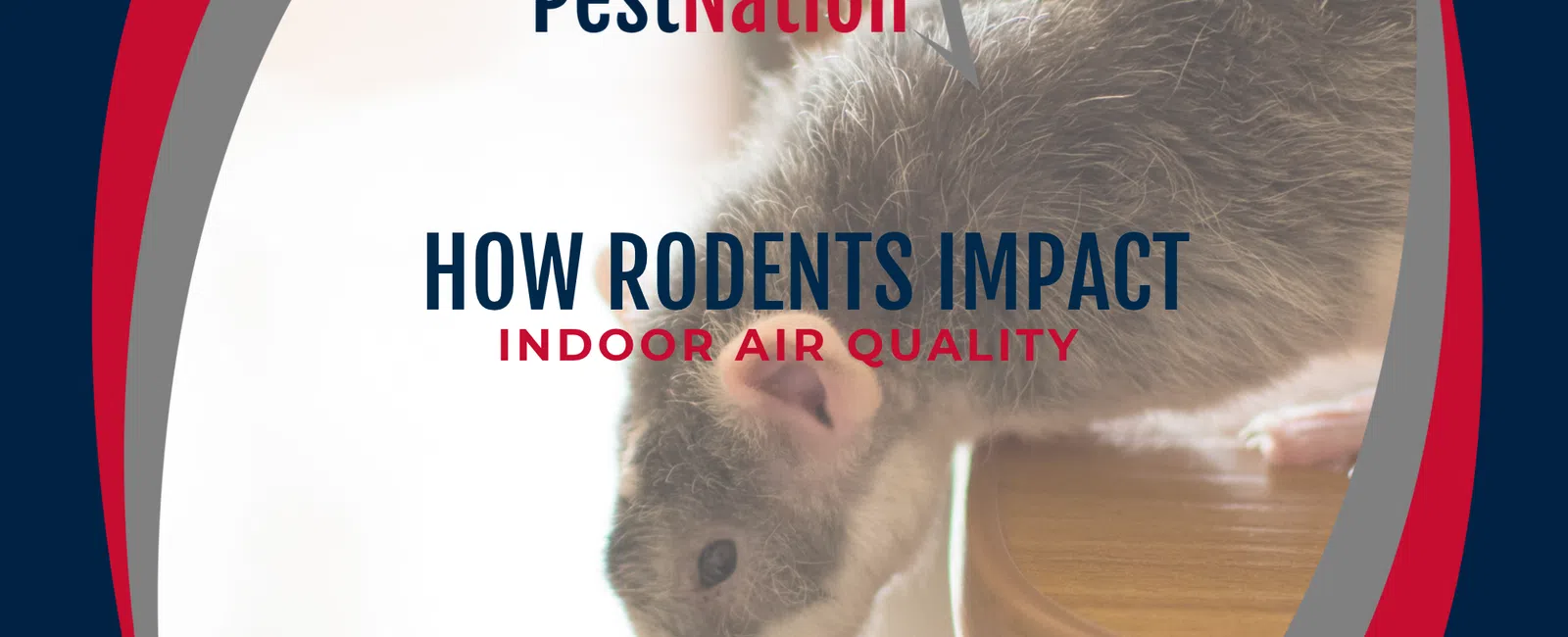
Indoor air quality is an important part of maintaining a comfortable and healthy home. While homeowners often associate indoor air concerns with dust, ventilation, or moisture, pest activity can also introduce biological contaminants into the indoor environment. Mice and rats may leave behind urine, droppings, dander, and nesting materials that contribute to contamination in occupied rooms or concealed building areas.
The connection between rodents and air quality involves several possible exposure pathways, including allergens and particles released when contaminated materials are disturbed. However, not every rodent infestation creates the same level of exposure, and not all rodent-associated illnesses spread through the air. Understanding how contamination occurs, when professional cleanup may be necessary, and how rodent management supports prevention can help homeowners make informed decisions without overstating pest health risks.
Understanding Rodents and Indoor Air Quality
Indoor air quality refers to the condition of the air within buildings and how pollutants or other environmental factors may affect occupants. Biological contaminants are one category of indoor pollutants and can include allergens associated with pests.
Rodent activity may introduce contaminants through urine, droppings, saliva, dander, and nesting materials. These substances can accumulate on surfaces, insulation, stored belongings, or other materials.
The U.S. EPA - Introduction to Indoor Air Quality explains that indoor air quality depends on pollutant sources, ventilation, and potential exposure. This framework is useful when evaluating rodent contamination because the presence of affected materials does not necessarily mean every occupied room has the same exposure conditions.
The location of contamination, movement of air, condition of building materials, and disturbance of affected areas all influence whether particles may reach occupied spaces.
How Rodent Allergens Affect the Indoor Environment
Rodents can produce allergens associated with urine, saliva, dander, and other rodent-derived materials. These allergens may become part of settled dust or accumulate on surfaces where rodents travel or nest.
When contaminated dust is disturbed, some particles may become airborne. Exposure can be particularly relevant for individuals who are sensitive to rodent allergens.
The U.S. EPA - Controlling Asthma Triggers identifies pests, including rodents, as potential sources of indoor allergens that can aggravate asthma symptoms in susceptible individuals. This supports considering rodent contamination when evaluating environmental conditions that may contribute to allergic reactions or asthma triggers.
However, exposure does not mean every person will develop symptoms. Individual sensitivity, the amount and location of contamination, and other environmental factors can influence potential effects.
Rodent control is also not a medical treatment for asthma or allergies. Homeowners experiencing respiratory symptoms should seek appropriate medical advice rather than assuming rodents are necessarily responsible.
Droppings and Urine Can Contaminate Building Materials
Rodent droppings and urine may accumulate in areas where mice or rats regularly travel, feed, or shelter.
Depending on the property, contamination may occur on floors, shelving, stored belongings, insulation, or other accessible and concealed surfaces.
Garages, storage rooms, attics, crawlspaces, and wall-adjacent areas can be particularly relevant because they may provide protected locations with limited human activity.
Contaminated materials do not always affect occupied indoor air in the same way. For example, contamination in an isolated storage area may create different exposure considerations than materials disturbed during renovation near occupied rooms.
The extent of contamination and how the area is used should therefore influence decisions about inspection and cleanup.
Why Disturbing Rodent Waste Can Increase Exposure
One of the most important concerns involving rodents and air quality is what happens when contaminated materials are disturbed.
Dry sweeping, ordinary household vacuuming, demolition, renovation, or moving contaminated nesting materials can release dust and particles into the air.
The CDC - How to Clean Up After Rodents recommends avoiding sweeping or vacuuming rodent droppings, urine, and nesting materials while they are dry. Instead, its guidance emphasizes appropriate ventilation, wet-cleaning, disinfection, and protective precautions.
This distinction matters because cleaning methods intended for ordinary household dust may not be appropriate for rodent waste.
Homeowners should also avoid handling rodent carcasses or contaminated nesting materials without following applicable safety guidance.
When contamination is extensive, located in difficult-to-access spaces, or associated with significant exposure concerns, professional cleanup may be more appropriate than attempting the work independently.
Safe Cleanup Requires Appropriate Precautions
When rodent contamination is limited and cleanup can be performed safely, homeowners should follow current public-health recommendations rather than relying on ordinary dry-cleaning methods.
CDC guidance generally emphasizes ventilating affected spaces when appropriate, using suitable protective measures, and thoroughly wetting contaminated materials with an appropriate disinfectant before removal.
Homeowners should follow disinfectant label instructions, including any applicable contact time and safety precautions. Different situations may require additional protective measures or professional assistance.
The condition of the space is important. Flooded, heavily contaminated, confined, structurally compromised, or otherwise hazardous areas should not be entered simply to remove rodent evidence.
Contaminated insulation, extensive nesting material, or affected building components may require assessment before decisions about cleaning, removal, or replacement are made.
Pest-control technicians and specialized remediation professionals may have different responsibilities. A rodent-control provider can address pest activity and access, while qualified cleanup professionals may be needed to restore contaminated materials.
Understanding Hantavirus Without Overstating Risk
Hantavirus is one reason public-health agencies emphasize caution when handling certain rodent-contaminated materials.
Some hantaviruses are associated with particular rodent species. Under certain circumstances, disturbing contaminated urine, droppings, or nesting materials from infected rodents can create particles that may be inhaled.
The CDC - Preventing Hantavirus explains exposure pathways and precautions intended to reduce infection risk. Its guidance reinforces why potentially contaminated rodent waste should not be swept or vacuumed dry.
However, hantavirus risk varies by rodent species, geographic location, and other circumstances.
Not all mice or rats carry hantaviruses, and the presence of rodents does not automatically establish a significant risk of hantavirus infection. It would also be inaccurate to assume that hantavirus is equally common throughout Georgia, North Carolina, South Carolina, and Florida.
Public-health precautions are appropriate without treating every rodent encounter as an indication of disease.
Attics, Crawlspaces, and Storage Areas Can Conceal Contamination
Rodents may use protected building areas where evidence is not immediately visible to occupants.
Attics can contain insulation and stored materials that may be affected by rodent nesting or movement. Crawlspaces may provide sheltered routes, while garages and storage rooms can contain accessible food, cardboard, fabric, and other nesting materials.
Wall-adjacent spaces and other concealed areas may also contain evidence that homeowners cannot directly observe.
These locations matter because contamination may remain after rodents have been removed.
However, concealed activity does not automatically mean contaminants are circulating throughout the entire home. Exposure depends partly on the location of affected materials, building conditions, air movement, and whether contamination is disturbed.
Professional inspection can help identify accessible evidence and determine whether additional evaluation of concealed or contaminated areas may be appropriate.
When HVAC Systems Deserve Attention
Heating, ventilation, and air-conditioning systems can influence indoor air movement. If rodent activity occurs near HVAC equipment, ductwork, or related building areas, potential contamination may deserve further investigation.
This does not mean that rodents automatically contaminate an entire HVAC system whenever they enter a home.
Evidence such as droppings, nesting materials, damaged components, or other signs near HVAC equipment may justify evaluation by an appropriately qualified HVAC professional.
Suspected contamination within ductwork or mechanical equipment may require specialized assessment or cleaning decisions beyond ordinary pest-control services.
Homeowners should avoid disturbing potentially contaminated HVAC materials or attempting repairs around electrical and mechanical components without appropriate qualifications.
Recognizing Possible Rodent Activity
Identifying rodent evidence is an important first step toward determining whether contamination may be present.
Common signs include droppings, gnaw marks, nesting materials, damaged food packaging, unusual odors, scratching noises, and rodent sightings.
However, no single observation necessarily confirms the species involved or the extent of activity.
Odors can have many sources, and unexplained respiratory symptoms cannot establish that rodents are present. Similarly, noises inside walls may result from pests, building systems, or other causes.
A professional pest inspection evaluates multiple forms of evidence rather than relying exclusively on one reported symptom or observation.
This distinction helps homeowners avoid unnecessary assumptions about indoor contamination or pest health risks.
Rodent Control and Contamination Cleanup Serve Different Purposes
Professional rodent management and contamination cleanup are related, but they are not interchangeable.
Rodent Control focuses on identifying and managing active rodents. Depending on the property, it may involve inspection, monitoring, appropriate control measures, sanitation recommendations, and evaluation of structural access.
Cleanup focuses on removing or addressing contaminated materials.
Eliminating active rodents does not automatically remove allergens, droppings, urine, or affected insulation already present in a building.
Likewise, cleaning contaminated materials does not prevent additional contamination if rodents continue entering the property.
An effective response may therefore require coordination between pest-control professionals, qualified remediation providers, HVAC specialists, or other appropriate professionals depending on the conditions identified.
How Integrated Pest Management Supports Prevention
Reducing future rodent-associated contamination requires understanding why rodents can enter or remain around a property.
Potential contributing conditions include accessible food, moisture, shelter, vegetation, stored materials, and structural openings.
Integrated Pest Management combines inspection, monitoring, prevention, and appropriate control strategies.
For rodent management, this can include reducing accessible food sources, improving sanitation, evaluating potential entry points, managing exterior shelter, and monitoring for continuing activity.
Pest Exclusion may help address accessible structural openings, while appropriate Residential Pest Control measures can address active rodent problems.
These strategies can reduce opportunities for continued contamination, but they cannot guarantee that indoor air quality will improve or that every allergen will be eliminated.
When Professional Help May Be Appropriate
Professional evaluation may be warranted when homeowners discover recurring droppings, nesting materials, repeated rodent sightings, contaminated insulation, or evidence in inaccessible areas.
A PestNation Pest Inspection can help identify visible rodent activity, potential entry points, and conditions that may support continued presence.
Specialized cleanup may be appropriate when contamination is extensive or involves materials that require professional handling. Suspected HVAC contamination may warrant an HVAC assessment, while respiratory symptoms or possible illness should be discussed with a qualified healthcare professional.
Pest-control technicians do not diagnose medical conditions, determine individual exposure risks, or provide medical treatment.
The appropriate response depends on the actual evidence, building conditions, and the nature of the concern.
Rodent Management Across the Southeast
Environmental conditions and rodent activity vary across PestNation's Southeastern service areas.
Homes in Atlanta Pest Control and Charlotte Pest Control markets may have different combinations of crawlspaces, attics, mature vegetation, and seasonal conditions that influence rodent movement.
Properties within Orlando Pest Control and Charleston Pest Control markets may experience different climate, moisture, and building conditions.
These differences affect how properties are inspected and managed, but they should not be used to make unsupported assumptions about disease prevalence or indoor exposure.
PestNation's Pest Inspections, Rodent Control, Pest Exclusion, and Residential Pest Control services can address rodent-related evidence and prevention needs based on individual property conditions. Medical testing, laboratory indoor air quality analysis, HVAC remediation, and specialized biohazard cleanup require appropriately qualified providers when those services are needed.
Maintaining a Healthier Indoor Environment
The relationship between rodents and air quality involves more than the presence of mice or rats inside a building. Rodent allergens, urine, droppings, contaminated nesting materials, and affected dust can contribute to indoor environmental concerns, particularly when contaminated materials are disturbed. The level of potential exposure depends on the location of contamination, ventilation, building conditions, and individual circumstances.
Safe cleanup is an important part of managing these concerns. Dry sweeping or ordinary vacuuming of rodent waste can increase exposure to contaminated particles, which is why CDC guidance emphasizes appropriate wet-cleaning, disinfection, and protective precautions. Extensive contamination or hazardous spaces may require specialized professional assistance.
Professional rodent management addresses another essential part of the problem: preventing continued activity. Inspection, exclusion, sanitation, monitoring, and appropriate control measures can help reduce the conditions that allow rodents to enter and remain around a home. However, controlling rodents does not automatically remove existing contamination, and cleaning alone does not prevent rodents from returning.
Through PestNation's professional inspection and rodent management services, homeowners can take an informed approach to identifying activity and reducing opportunities for future contamination. By recognizing the difference between pest control, safe cleanup, and medical concerns, homeowners can make practical decisions that support their indoor environment without assuming that every rodent problem presents the same pest health risks.