
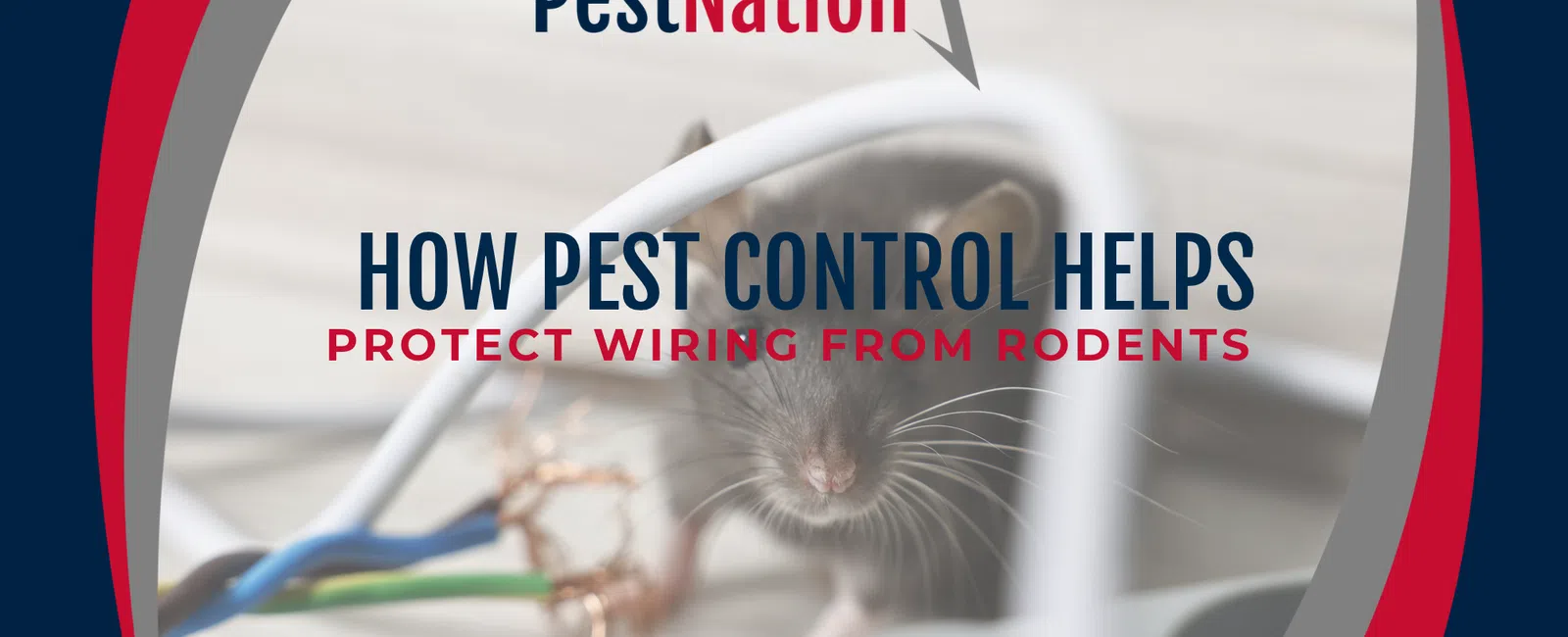
Electrical systems are essential to everyday life, but some of the wiring that supports a home is located in areas homeowners rarely inspect. Attics, crawlspaces, garages, and utility spaces may contain accessible cables alongside insulation, framing, and other materials. When mice or rats establish activity in these locations, their natural gnawing behavior can sometimes affect electrical wiring and its protective coverings.
Understanding rodent wire damage is an important part of recognizing how pest activity may affect a home's electrical system. Professional rodent management can help identify evidence of activity, evaluate potential entry points, and address conditions that allow rodents to remain near vulnerable building components. However, pest-control technicians do not replace qualified electricians. When wiring damage is suspected, electrical evaluation and any necessary repairs should be performed by an appropriately qualified electrical professional.
Why Rodents Sometimes Gnaw on Electrical Wiring
Mice and rats have continuously growing incisor teeth. Gnawing is a normal part of their behavior and helps maintain those teeth.
Rodents do not specifically seek electrical wiring as a food source. Instead, they may gnaw on accessible materials encountered while moving, nesting, or exploring their environment.
These materials can include wood, plastic, cardboard, insulation, stored belongings, and certain electrical cable coverings.
The UC IPM - Rats discusses rat behavior, gnawing, and damage to property materials. This information helps explain why electrical cables may be affected when rodents occupy protected building spaces where wiring is accessible.
Not every rodent infestation results in damaged wiring. The likelihood of damage depends on the species, location of activity, accessible materials, and other property-specific conditions.
How Rodent Wire Damage Can Affect Electrical Systems
Electrical wiring commonly includes protective insulation or cable coverings designed to separate conductors from surrounding materials and other electrical components.
When rodents gnaw on accessible wiring, they may damage those protective layers.
Depending on the extent and location of damage, compromised insulation may expose conductors or create conditions requiring professional electrical evaluation.
This is why rodent wire damage should not be dismissed when it is identified.
However, a damaged cable covering does not automatically mean an electrical fire will occur or that immediate electrical failure is inevitable. The actual condition and associated risks must be assessed by a qualified electrician.
Pest-control professionals can identify visible rodent evidence and potential access conditions, but they do not determine whether electrical wiring meets safety requirements or perform electrical testing and repairs.
Why Attics and Crawlspaces Deserve Attention
Rodents often use protected spaces that provide shelter and access to resources.
Attics may contain insulation, framing, ventilation components, and wiring routes. Crawlspaces may contain electrical cables, plumbing, insulation, and structural materials.
Garages, utility areas, and wall-adjacent spaces may also provide pathways where rodents encounter electrical components.
Wiring frequently follows framing or passes through structural openings. Rodents may travel along framing members, pipes, cables, and other building features as they move between sheltered areas.
This overlap helps explain why rodent activity and electrical wiring may occur in the same locations.
Nevertheless, finding rodents in an attic or crawlspace does not establish that wiring has been damaged. Visible evidence must be evaluated, and concealed wiring may require separate professional electrical inspection when concerns arise.
Different Rodent Species Use Buildings Differently
Understanding which rodent species is present can help professionals determine where to concentrate inspection and management efforts.
Roof rats are capable climbers and may use trees, rooflines, elevated exterior features, and attic spaces.
Norway rats are commonly associated with ground-level movement and burrowing, although they are not restricted exclusively to those locations.
House mice may enter protected interior spaces when suitable openings, food, and shelter are available.
The UC IPM - House Mouse provides information about mouse movement, nesting behavior, and property damage. This helps explain why mice may establish activity around insulation, structural cavities, and other areas where wiring routes are present.
Species identification supports targeted rodent management rather than assuming every rodent uses the same pathways.
Warning Signs Near Accessible Wiring
Certain observations may indicate rodent activity in areas containing electrical components.
These include droppings, nesting materials, gnaw marks, rub marks, sightings, and evidence of movement around accessible structural spaces.
More direct concerns may include visible damage to cable coverings, apparent gnaw marks on wiring, exposed conductors, or disturbed materials surrounding electrical cables.
It is important to distinguish between evidence of rodents and evidence of electrical damage.
Droppings near wiring indicate possible rodent activity, but they do not prove the wiring itself has been affected.
Likewise, a damaged cable may have causes unrelated to rodents.
A qualified electrician should evaluate suspected wiring damage and determine whether repairs are necessary.
Homeowners should not touch damaged wiring, remove electrical covers, open electrical panels, or attempt to investigate exposed conductors themselves.
Electrical Symptoms Should Not Automatically Be Blamed on Rodents
Some electrical problems may become noticeable through repeated breaker trips, unusual odors, sparking, or other concerning conditions.
These symptoms can have several possible causes, including issues unrelated to pest activity.
Even when rodents have been identified elsewhere in the home, electrical symptoms should not automatically be attributed to gnawing.
The Electrical Safety Foundation International - Home Electrical Safety provides educational guidance on recognizing electrical safety concerns and maintaining safer residential electrical systems. This reinforces the importance of qualified electrical evaluation when warning signs are present.
If homeowners notice sparking, smoke, burning odors, or other signs of an immediate electrical hazard, they should avoid interacting with affected equipment and contact appropriate qualified professionals or emergency services as circumstances require.
Pest-control services should never be used as a substitute for addressing a suspected electrical hazard.
What Professional Pest Inspections Can Identify
Professional pest inspections focus on evidence of pest activity and conditions that may allow rodents to enter or remain around a property.
When electrical-system exposure is a concern, technicians may evaluate accessible attics, crawlspaces, garages, foundations, utility penetrations, rooflines, vents, and other relevant areas.
They may look for droppings, gnaw marks, nesting materials, rub marks, or other rodent evidence near building components.
A PestNation Pest Inspection can also help identify potential entry points that may allow rodents to reach protected areas containing wiring.
However, routine pest inspections have limitations.
Concealed wiring inside finished walls, ceilings, inaccessible cavities, or covered structural spaces may not be visible. Pest-control technicians should not be represented as performing comprehensive electrical inspections or confirming the condition of concealed electrical systems.
When suspicious conditions are identified, an electrician may need to perform a separate assessment.
Why Rodent Exclusion Complements Electrical Repairs
Repairing damaged wiring addresses the electrical condition, but it does not necessarily prevent rodents from continuing to enter the property.
Potential rodent entry points may occur around foundations, exterior doors, garage doors, roof components, vents, siding, and utility penetrations.
Openings around pipes, cables, electrical conduits, and HVAC lines can also deserve attention.
The CDC - Seal Up to Prevent Rodents recommends evaluating and addressing openings that rodents may use to enter buildings. This guidance supports the role of rodent exclusion in reducing opportunities for continued access to protected areas.
Appropriate Pest Exclusion can complement electrical repairs by addressing relevant access conditions.
However, exclusion work must preserve electrical safety, ventilation, fire protection, drainage, and other building functions.
Electrical equipment, junction boxes, and components requiring access should not be improperly sealed or modified. Repairs involving electrical penetrations or wiring may require qualified electrical professionals.
Exclusion should also be coordinated with management of rodents already inside the structure.
Sanitation and Habitat Management Reduce Favorable Conditions
Structural access is not the only factor that influences rodent activity.
Accessible food, water, shelter, clutter, and vegetation can make certain areas more favorable to mice and rats.
Pet food, bird seed, garbage, pantry products, and other accessible materials may provide food resources. Dense vegetation, stored belongings, and protected exterior areas may provide shelter.
Reducing these conditions can support professional rodent management.
However, sanitation alone cannot repair damaged wiring or eliminate every established rodent problem.
Similarly, correcting an entry point does not automatically resolve rodents already present.
A complete management strategy evaluates multiple contributing factors rather than relying on one preventive measure.
Integrated Pest Management Supports Coordinated Protection
Integrated Pest Management combines inspection, identification, monitoring, prevention, and appropriate control methods.
For rodents, this can involve sanitation, habitat modification, exclusion, ongoing monitoring, and management measures selected according to the property's conditions.
This approach is especially relevant when rodents are discovered near electrical systems because two different concerns may need attention.
Pest-control professionals address rodent activity and contributing access conditions.
Qualified electricians assess damaged electrical components and perform necessary repairs.
These responsibilities complement one another but are not interchangeable.
Eliminating rodents does not automatically restore damaged cable insulation. Repairing wiring does not prevent additional rodents from entering if structural openings and favorable conditions remain.
Coordinating both services can help address the immediate electrical concern while reducing opportunities for continued rodent activity.
Follow-Up Monitoring Helps Evaluate Continued Activity
Initial rodent management may not provide enough information to determine whether all activity has stopped.
Follow-up inspections can help technicians evaluate new droppings, gnaw marks, monitoring results, structural access, and other evidence.
If activity continues near utility areas or previously affected wiring routes, additional investigation may be appropriate.
Monitoring also helps distinguish older evidence from signs suggesting more recent activity.
A professional may recommend adjusting the management plan based on these findings rather than automatically repeating the same measures.
No monitoring program can guarantee permanent rodent elimination or complete protection against future electrical damage.
However, continued evaluation can help identify changes that deserve attention.
Rodent Management Across the Southeast
Rodent activity and electrical-system exposure vary across PestNation's Southeastern service areas.
Homes within Atlanta Pest Control and Charlotte Pest Control markets may have different combinations of attics, crawlspaces, vegetation, and construction features that influence rodent movement.
Properties in Orlando Pest Control and Charleston Pest Control markets may experience different climate conditions, building configurations, and environmental factors.
These differences influence where rodents may shelter and how accessible wiring or structural openings are evaluated.
PestNation's Pest Inspections, Rodent Control, Pest Exclusion, and Residential Pest Control services can help identify rodent activity and address relevant conditions.
Electrical testing, wiring replacement, electrical repairs, and code compliance evaluations remain the responsibility of appropriately qualified electrical professionals.
When Homeowners Should Seek Professional Evaluation
Professional pest inspection may be appropriate when homeowners notice rodent droppings, nesting materials, gnaw marks, or recurring activity near accessible wiring and utility areas.
Suspected damaged electrical cable coverings, exposed conductors, or other wiring concerns should also prompt evaluation by a qualified electrician.
When both conditions are present, coordinating pest-control and electrical services can help ensure that each issue receives the appropriate attention.
Homeowners should avoid entering unsafe attics or crawlspaces, disturbing potentially damaged wiring, or opening electrical equipment to search for rodents.
The goal is to identify the evidence safely and involve professionals qualified to address the specific concern.
Rodents can affect electrical systems when their natural gnawing behavior damages accessible wire insulation, cable coverings, or surrounding materials. Attics, crawlspaces, garages, and utility areas may be particularly relevant because wiring routes can overlap with locations rodents use for movement and shelter. However, not every rodent infestation results in electrical damage, and the presence of rodent evidence near wiring does not automatically establish an electrical hazard.
Professional pest management helps address one part of the problem by identifying rodent activity, evaluating potential entry points, and reducing conditions that allow rodents to remain around vulnerable building areas. When rodent wire damage is suspected, a qualified electrician must evaluate the electrical components and determine whether repairs are needed. Pest control and electrical repair serve different purposes, and both may be necessary to address the complete situation.
For homeowners researching home safety pests, understanding these professional responsibilities is important. Rodent exclusion, sanitation, habitat modification, and monitoring can help reduce opportunities for continued activity, while electrical professionals address damaged wiring and related safety concerns.
Through PestNation's professional inspection, rodent management, and exclusion services, homeowners can take an evidence-based approach to reducing pest activity around building systems. Combining appropriate rodent control with qualified electrical evaluation supports responsible property maintenance without assuming that any pest-control service can guarantee protection from every future electrical problem.