
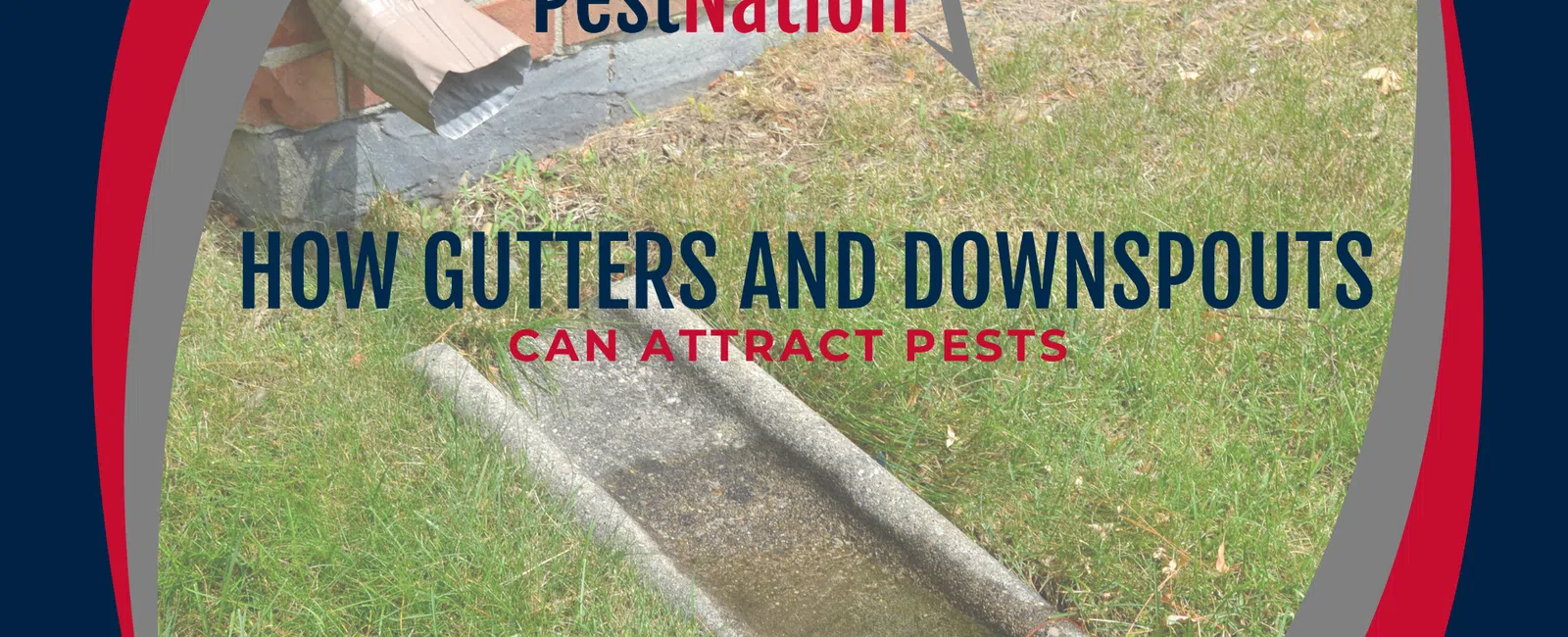
Gutters and downspouts are designed to move rainwater away from a home, but when they become clogged, damaged, improperly pitched, or poorly drained, they can create exactly the kind of conditions many pests prefer. Leaves, pine needles, roof debris, and standing water can accumulate inside gutter systems, while overflowing or poorly directed downspouts can keep foundations, crawlspaces, siding, and landscaping unnecessarily wet. These moisture problems may not cause an infestation by themselves, but they can make the property more favorable for insects, rodents, and other unwanted pests.
Understanding the relationship between gutter pest problems and property maintenance is an important part of moisture pest prevention. Water management affects much more than roofing and drainage. Persistent moisture can contribute to pest activity, deteriorate building materials, encourage fungal growth, and create new openings that pests may later exploit. For homeowners and property managers, maintaining gutters and downspouts is therefore one practical component of a broader Exterior Pest Prevention strategy.
Why Gutters Matter for Pest Prevention
A properly functioning gutter system collects water from the roof and directs it toward downspouts, which then carry that water away from the structure.
When the system works correctly, it helps protect:
- Foundations
- Crawlspaces
- Exterior walls
- Fascia
- Soffits
- Landscaping
- Basement areas
When it does not work correctly, moisture may begin accumulating in places where it was never intended to remain.
That can lead to two pest-related concerns at once: increased moisture and deteriorating building materials.
Both may contribute to gutter pest problems over time.
Clogged Gutters Hold Water and Organic Debris
One of the most common gutter problems is debris accumulation.
Leaves, twigs, pine needles, roof granules, seed pods, and other organic materials can collect in gutters and interfere with drainage.
Once water becomes trapped, the gutter can remain wet long after rainfall ends.
This combination of moisture and decomposing organic material may provide:
- Shelter
- Increased humidity
- Water
- Organic matter
- Protected breeding conditions
for certain pests.
The longer debris remains undisturbed, the more favorable the environment may become.
Standing Water Can Support Mosquito Activity
Mosquitoes are one of the pests most strongly associated with standing water.
Some mosquito species can reproduce in relatively small amounts of stagnant water, which means clogged gutters can become overlooked breeding sites.
A gutter does not need to be completely full of water to become a concern. Small pockets trapped behind debris may remain long enough for mosquito development under favorable conditions.
For moisture pest prevention, homeowners should consider gutters alongside other standing-water sources such as:
- Birdbaths
- Flowerpot saucers
- Buckets
- Pool covers
- Toys
- Drainage depressions
Cleaning clogged gutters can therefore support both routine home maintenance and mosquito reduction.
Ants Often Benefit From Moisture Around the Home
Ants require water and commonly establish colonies in or around damp soil, landscaping, wall voids, and other protected locations.
Overflowing gutters can increase moisture around:
- Foundations
- Landscape beds
- Siding
- Crawlspace vents
- Exterior walls
This does not mean that every wet gutter will create an ant infestation. However, persistent moisture can support conditions that make outdoor nesting areas more attractive.
Ant activity may become especially noticeable around:
- Foundation cracks
- Utility penetrations
- Window frames
- Door thresholds
- Damp landscaping
Correcting excess moisture can make the surrounding environment less favorable and support broader Pest Control efforts.
Cockroaches Prefer Damp, Protected Environments
Many cockroach species seek moisture and shelter.
Clogged gutters and poor drainage can increase humidity and dampness near exterior walls, mulch beds, crawlspaces, and utility areas.
Cockroaches may hide in:
- Damp mulch
- Leaf litter
- Crawlspaces
- Exterior cracks
- Utility areas
- Landscaping near foundations
If these areas remain moist and close to structural openings, cockroaches may have easier access to kitchens, bathrooms, garages, and other interior spaces.
That is why Moisture Control is often an important part of Residential Pest Control.
Termites and Moisture Require Careful Attention
Subterranean termites live in soil and require moisture to survive.
Gutters and downspouts do not directly cause termite infestations, but chronic moisture around a foundation can contribute to conditions that deserve attention.
Potential concerns include:
- Saturated soil
- Damp wood
- Wood-to-soil contact
- Deteriorated siding
- Rotting trim
- Crawlspace moisture
Persistent moisture may also make inspection more difficult if vegetation, mulch, or deteriorated materials conceal portions of the foundation.
Termite prevention should include moisture management, routine inspection, and correction of structural conditions rather than relying on one measure alone.
Rodents May Take Advantage of Roofline Conditions
Rodents are not attracted to standing gutter water in the same way as mosquitoes, but poorly maintained rooflines can still contribute to rodent problems.
Accumulated debris can provide protected areas, while damaged fascia or soffits may create openings into attics.
Rodents may also use nearby branches, vines, or utility lines to reach roof areas.
Potential signs include:
- Gnaw marks
- Damaged soffits
- Open roofline gaps
- Nesting material
- Droppings
- Scratching noises
Keeping gutters clean and repairing adjacent building materials can reduce both shelter and access opportunities.
Overflowing Gutters Can Damage Fascia
Fascia boards support the edge of the roof and often provide a mounting surface for gutters.
When gutters overflow repeatedly, fascia may remain wet for extended periods.
Over time, persistent moisture can contribute to:
- Paint failure
- Wood deterioration
- Softening
- Rot
- Fastener failure
Once fascia deteriorates, gaps may develop around roof edges.
Those openings can potentially provide access for:
- Insects
- Rodents
- Spiders
- Wasps
- Other occasional invaders
This illustrates how a drainage problem can eventually become a structural pest-entry concern.
Soffit Damage Can Create Additional Openings
Soffits cover the underside of roof overhangs and often contain ventilation openings.
Water overflowing from gutters may contribute to damage when it repeatedly contacts soffit materials.
Homeowners should watch for:
- Staining
- Sagging
- Loose panels
- Rot
- Damaged vent screens
- Missing sections
These conditions may expose attic spaces or concealed roof cavities.
Proper repairs should maintain required ventilation while restoring the physical barrier against pests.
Siding Can Also Be Affected by Persistent Water
Water running down exterior walls can affect siding and trim.
Potential problems include:
- Moisture staining
- Deteriorated wood
- Loose materials
- Failed caulk
- Open joints
Once siding or trim begins to separate, pests may gain access behind the exterior surface.
This is especially concerning when damage develops around windows, doors, utility lines, or foundation transitions.
Routine gutter maintenance therefore supports both water management and Exterior Pest Prevention.
Downspouts Must Discharge Water Properly
A gutter system is only as effective as its downspouts.
If water exits the downspout directly beside the foundation, the roof runoff is simply being concentrated in one vulnerable location.
Improper discharge can contribute to:
- Foundation moisture
- Crawlspace humidity
- Basement dampness
- Saturated landscaping
- Soil erosion
- Standing water
Downspouts should direct water appropriately away from the structure based on site conditions and drainage design.
Extensions, splash blocks, underground drainage, or grading improvements may be needed depending on the property.
Downspout Leaks Can Be Easy to Miss
A downspout may appear functional while leaking at joints or connections.
Common problems include:
- Loose sections
- Split seams
- Disconnected elbows
- Crushed sections
- Corrosion
- Blockages
Water escaping from these areas can repeatedly saturate the same section of foundation or landscaping.
Homeowners should observe the system during or shortly after rainfall when practical.
This can reveal drainage problems that are not obvious on a dry day.
Poor Gutter Pitch Can Leave Water Behind
Gutters must slope enough to move water toward downspouts.
If a gutter sags or is improperly pitched, water may remain trapped even when the channel is relatively clean.
Persistent standing water can:
- Increase mosquito risk
- Accelerate corrosion
- Add weight to the system
- Encourage organic buildup
- Increase overflow
Correcting pitch problems may require gutter adjustment or professional repair.
Vegetation Near Gutters Can Increase Pest Pressure
Trees and shrubs influence gutters in several ways.
Overhanging branches can drop:
- Leaves
- Twigs
- Seeds
- Pine needles
- Organic debris
into the gutter system.
Branches touching the roof may also provide pathways for ants, rodents, and other pests.
Dense vegetation around the roofline can make inspection and maintenance more difficult.
Trimming vegetation appropriately can reduce debris accumulation while also limiting direct access routes.
Tree Branches Can Help Rodents Reach Rooflines
Rodents are capable climbers.
Branches close to or touching the roof can allow squirrels, rats, and other animals to bypass ground-level barriers.
Once on the roof, they may investigate:
- Soffits
- Fascia
- Roof vents
- Gable vents
- Other openings
Keeping branches trimmed away from the structure can support both gutter maintenance and pest exclusion.
Homeowners should use qualified tree professionals for work involving large limbs or elevated areas.
Crawlspaces Can Be Affected by Poor Drainage
Improper downspout discharge and overflowing gutters can increase moisture around crawlspace foundations.
Water may enter through:
- Foundation vents
- Cracks
- Low openings
- Poorly sealed access doors
Even when water does not flow directly inside, saturated soil can increase crawlspace humidity.
Potential concerns include:
- Damp wood
- Condensation
- Fungal growth
- Moist insulation
- Increased nuisance pest activity
For this reason, moisture pest prevention should include both roof drainage and crawlspace evaluation.
Mulch and Landscaping Can Hold Excess Moisture
Downspouts often discharge into landscape beds.
If these areas contain thick mulch or dense groundcover, water may remain near the home longer than intended.
Moist mulch can support:
- Ants
- Cockroaches
- Earwigs
- Millipedes
- Other moisture-associated pests
The goal is not to eliminate landscaping but to ensure that water drains effectively and does not remain trapped against the foundation.
Gutter Guards Can Help, but They Still Need Maintenance
Gutter guards may reduce the amount of debris entering a gutter system, but they do not eliminate maintenance.
Leaves, seeds, roof granules, and other materials can still accumulate on or around the guards.
Homeowners should continue checking for:
- Blockages
- Standing water
- Overflow
- Damaged sections
Any drainage system can develop problems over time.
Practical Gutter Maintenance for Pest Prevention
Regular maintenance is one of the simplest ways to reduce gutter pest problems.
Useful practices include:
- Clean gutters as needed.
- Remove accumulated leaves and debris.
- Check downspouts for blockages.
- Repair loose or leaking joints.
- Correct sagging sections.
- Monitor gutter pitch.
- Confirm water flows toward downspouts.
- Direct discharge away from foundations.
- Trim nearby branches.
- Inspect fascia and soffits.
- Watch for standing water after rain.
- Check crawlspaces and landscaping for moisture.
The appropriate maintenance frequency depends on the property, tree coverage, weather, and gutter design.
Homes surrounded by mature trees may require more frequent attention.
Inspect Gutters After Major Storms
Storms can quickly change the condition of a drainage system.
Heavy rain and wind may:
- Fill gutters with debris
- Dislodge downspouts
- Damage hangers
- Shift gutter sections
- Break branches onto rooflines
After severe weather, homeowners should visually inspect accessible areas from the ground.
Avoid climbing onto wet roofs or unstable ladders. Elevated repairs should be handled by qualified professionals when necessary.
Moisture Problems Often Leave Clues
Homeowners can often identify drainage concerns by looking for signs around the property.
Watch for:
- Soil erosion
- Water staining
- Damp siding
- Foundation discoloration
- Standing water
- Musty crawlspace odors
- Soft fascia
- Peeling paint
- Overflow marks
- Mold or fungal growth
These signs do not automatically indicate a pest infestation, but they suggest that moisture conditions deserve attention.
Moisture Control Is Part of Long-Term Pest Prevention
Treating pests while leaving a major moisture source unchanged can limit long-term results.
For example, controlling cockroaches without repairing a leaking downspout may leave a favorable outdoor environment immediately beside the home.
Likewise, mosquito treatments may be less effective if gutters continue holding standing water.
A broader prevention strategy may include:
- Moisture Control
- Sanitation
- Structural exclusion
- Landscaping maintenance
- Pest monitoring
- Professional treatments when needed
This integrated approach addresses the conditions supporting pests rather than only the pests themselves.
When Pest Inspections Are Helpful
Some pest-conducive conditions are easy to see.
Others may be hidden in:
- Crawlspaces
- Attics
- Roofline cavities
- Dense landscaping
- Wall voids
PestNation pest inspections can help evaluate active pest evidence and conditions such as moisture, exterior openings, harborage, and drainage concerns.
An inspection may be especially useful when homeowners notice:
- Persistent ant activity
- Cockroaches
- Mosquitoes
- Rodent evidence
- Termite concerns
- Repeated moisture problems
Not every gutter issue requires pest treatment, but ongoing activity around wet areas deserves closer evaluation.
Gutters and Pest Problems in Southeastern Homes
Homes throughout the Southeast commonly experience heavy rainfall, humidity, mature vegetation, and long pest-active seasons.
These conditions can make roof drainage especially important.
Homeowners searching for Atlanta pest control, Charlotte pest control, Orlando pest control, or Charleston pest control may face different local pest pressures, but excess moisture remains a common contributing factor across all four markets.
Likewise, homes receiving Atlanta interior and exterior pest treatments, Charlotte interior and exterior pest treatments, Orlando interior and exterior pest treatments, or Charleston interior and exterior pest treatments may benefit from evaluating whether recurring pest activity is being supported by clogged gutters, poor drainage, or persistent moisture around the structure.
How PestNation Supports Moisture-Related Pest Prevention
At PestNation, effective Residential Pest Control involves looking beyond visible pest activity and considering the property conditions that may be contributing to the problem.
Depending on the situation, PestNation pest inspections can help identify pest evidence, moisture concerns, exterior harborage, and potential entry points. When treatment is warranted, appropriate Pest Control measures may be combined with recommendations for Moisture Control, exterior maintenance, and other preventive improvements.
This broader approach supports Exterior Pest Prevention by addressing both the pests and the environment around the structure.
Gutters and downspouts may seem like simple drainage components, but their condition can influence pest pressure throughout the property. Clogged gutters can hold standing water and organic debris, while damaged or poorly draining downspouts can keep foundations, crawlspaces, siding, and landscaping unnecessarily wet. These gutter pest problems can create conditions that support mosquitoes, ants, cockroaches, and other moisture-associated pests while also contributing to deterioration that may create additional access points.
Maintaining clean gutters, repairing damaged components, directing runoff away from the foundation, managing vegetation, and monitoring moisture after rainfall are practical steps homeowners can take to strengthen moisture pest prevention. These efforts are most effective when combined with sanitation, exclusion, routine inspections, and professional Pest Control when active infestations are present. By keeping water moving where it belongs, homeowners can protect both the condition of the property and the effectiveness of their long-term pest-prevention strategy.