
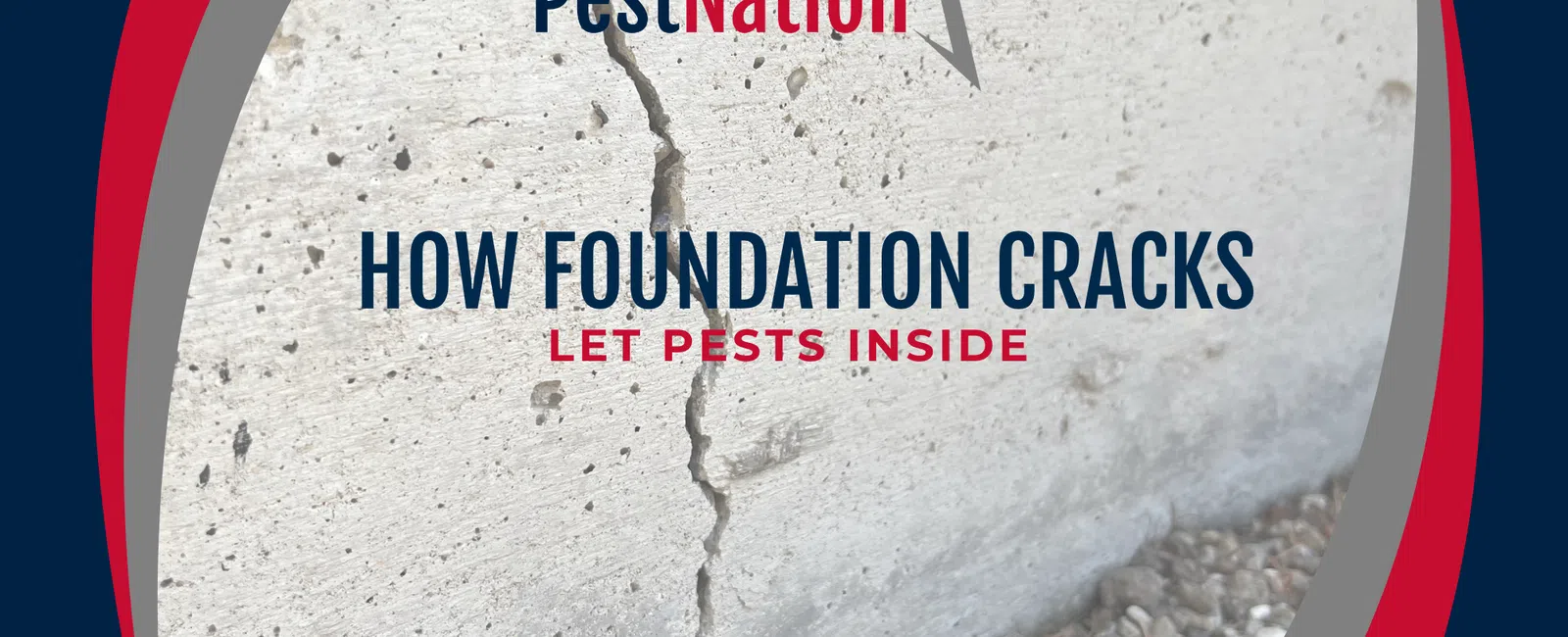
Many homeowners think of foundation cracks primarily as a structural or cosmetic concern, but they can also become one of the most common ways pests gain access to a home. Even very small openings in a foundation can provide insects and rodents with a direct path indoors. Because these entry points are often hidden by landscaping, mulch, shrubs, or exterior finishes, they frequently go unnoticed until homeowners begin seeing pests inside their living spaces.
In the Southeast, foundation vulnerabilities become even more significant because the region's warm climate supports year-round pest activity. Heavy rainfall, shifting soil, humidity, and seasonal expansion and contraction of building materials can all contribute to cracks or gaps around a home's foundation. When these openings combine with moisture, landscaping, or nearby pest populations, they create ideal opportunities for insects and wildlife to enter. Through comprehensive PestNation pest inspections and customized Atlanta, Charlotte, Orlando, and Charleston interior and exterior pest treatments, PestNation helps homeowners identify foundation vulnerabilities before they become recurring pest problems.
Foundation maintenance is about more than preserving structural integrity—it is also a key part of effective Pest Exclusion. By understanding how pests use these small openings, homeowners can take proactive steps that reduce infestation risks and strengthen long-term Pest Control efforts.
Why Foundation Cracks Matter
A home's foundation forms the primary barrier between the structure and the surrounding soil. Any opening in that barrier has the potential to become a pathway for pests.
Foundation cracks may develop because of:
- Natural settling
- Soil movement
- Seasonal expansion and contraction
- Moisture fluctuations
- Construction aging
- Poor drainage
Not every crack creates an immediate structural concern, but many provide enough space for insects and even small rodents to enter.
Effective foundation pest entry prevention begins by identifying these openings before pests discover them.
Pests Need Very Little Space
One of the biggest misconceptions homeowners have is that pests require large openings to enter a house.
In reality:
- Ants can pass through hairline cracks.
- Cockroaches flatten their bodies to squeeze into narrow spaces.
- Spiders easily travel through tiny gaps.
- Mice can fit through openings much smaller than many people expect.
Even cracks that appear insignificant may become active entry points if they connect directly to crawlspaces, wall voids, or basements.
Professional Pest Exclusion focuses on locating and sealing these small vulnerabilities before infestations begin.
Ants Commonly Enter Through Foundation Gaps
Ants are among the most common pests to exploit foundation cracks.
Colonies often establish themselves close to:
- Sidewalks
- Landscaping
- Mulch beds
- Foundation walls
Worker ants search continuously for:
- Food
- Moisture
- Shelter
Once they discover a small crack leading indoors, they leave pheromone trails that encourage thousands of additional workers to follow the same route.
This is why homeowners often notice recurring ant trails entering through the same locations.
Professional Atlanta, Charlotte, Orlando, and Charleston pest control services often combine treatment with exclusion recommendations to eliminate these access points.
Cockroaches Use Foundation Openings
American cockroaches and smokybrown cockroaches frequently live outdoors before entering homes.
They often travel through:
- Foundation cracks
- Utility penetrations
- Expansion joints
- Drain openings
Moist soil surrounding foundations creates ideal conditions for these insects.
When cracks provide direct indoor access, cockroaches may move into basements, crawlspaces, garages, and eventually living areas.
Addressing foundation pest entry significantly reduces opportunities for recurring infestations.
Rodents Exploit Structural Openings
Mice and rats constantly search for sheltered nesting areas.
Foundation openings may allow rodents to enter:
- Crawlspaces
- Basements
- Utility rooms
- Wall cavities
Once inside, rodents may:
- Damage wiring
- Destroy insulation
- Contaminate storage areas
- Build nests
- Reproduce rapidly
Because rodents often use the same entry points repeatedly, sealing these openings becomes an essential component of long-term Pest Exclusion.
Termites Benefit From Foundation Vulnerabilities
Subterranean termites naturally live underground.
Although they commonly construct mud tubes to reach structural wood, foundation cracks can provide additional access opportunities.
Moisture around foundations further increases termite risk by:
- Softening wood
- Supporting fungal growth
- Creating favorable soil conditions
Routine PestNation pest inspections help identify termite activity before significant structural damage develops.
Moisture Makes Foundation Problems Worse
Foundation cracks frequently coincide with moisture problems.
Water may enter through cracks because of:
- Poor grading
- Heavy rainfall
- Clogged gutters
- Downspout discharge
- Hydrostatic pressure
Moisture attracts many pests, including:
- Cockroaches
- Carpenter ants
- Silverfish
- Earwigs
- Millipedes
Repairing drainage problems often complements foundation repairs by eliminating one of the primary conditions attracting pests.
Landscaping Can Hide Entry Points
Many foundation cracks remain unnoticed because landscaping conceals them.
Potential problem areas include:
- Dense shrubs
- Groundcover
- Decorative mulch
- Stone edging
- Flower beds
While attractive landscaping improves curb appeal, it can also provide shelter for pests while preventing homeowners from noticing developing structural gaps.
Maintaining a clear inspection zone around the home's foundation improves visibility and supports Pest Exclusion efforts.
Utility Penetrations Require Attention
Foundation walls often contain multiple openings where utilities enter the home.
These include:
- Water lines
- Electrical conduits
- Gas lines
- Cable connections
- HVAC penetrations
Over time, sealants around these penetrations may deteriorate.
Even if the utility itself remains secure, small surrounding gaps can become ideal pest entry points.
Professional inspections evaluate these locations carefully.
Seasonal Weather Affects Foundation Movement
Throughout the Southeast, weather patterns influence foundation conditions.
Extended rainfall may:
- Saturate surrounding soil
- Increase pressure against foundation walls
- Widen existing cracks
Dry periods may cause soil contraction and additional settling.
These natural cycles make regular inspections important because foundation conditions can change over time.
Warning Signs of Foundation Pest Entry
Homeowners should watch for:
- Ant trails entering near baseboards
- Cockroaches appearing in basements
- Rodent droppings near lower walls
- Spider activity around foundation areas
- Moisture stains
- Small openings around utilities
These indicators often suggest that pests are entering through lower portions of the home.
Why Professional Pest Inspections Matter
Many foundation entry points remain hidden without professional evaluation.
PestNation pest inspections examine:
- Foundation cracks
- Utility penetrations
- Crawlspace access points
- Moisture conditions
- Landscaping concerns
- Rodent evidence
- Structural vulnerabilities
Finding these issues early allows homeowners to correct them before larger infestations develop.
Pest Exclusion Is More Than Sealing Cracks
Effective Pest Exclusion combines several strategies.
These include:
- Sealing structural gaps
- Repairing damaged foundations
- Improving drainage
- Managing landscaping
- Monitoring moisture
- Installing appropriate exclusion materials
The goal is not only to eliminate current pest access but also to reduce future opportunities.
Integrating Exclusion With Pest Control
Exclusion works best when paired with professional Pest Control.
Treatment eliminates active infestations while exclusion reduces the likelihood of reinfestation.
Atlanta, Charlotte, Orlando, and Charleston interior and exterior pest treatments often include recommendations for structural improvements alongside seasonal pest management.
This integrated approach provides longer-lasting protection than treatment alone.
Homeowner Maintenance Tips
Homeowners can help reduce foundation pest entry by:
- Inspecting foundations regularly
- Repairing visible cracks promptly
- Keeping gutters clean
- Directing downspouts away from the home
- Reducing mulch depth near foundations
- Trimming vegetation
- Monitoring for moisture accumulation
Routine maintenance supports both structural health and pest prevention.
Foundation cracks may appear minor, but they often become some of the most important access points for insects and rodents entering a home. Ants, cockroaches, termites, rodents, spiders, and many other pests can exploit even the smallest openings when moisture, food, and shelter are available nearby. Combined with poor drainage or aging construction materials, these structural vulnerabilities can contribute to recurring infestations that become increasingly difficult to manage if left unaddressed.
For homeowners seeking Atlanta, Charlotte, Orlando, and Charleston pest control services, preventing infestations begins with identifying and eliminating foundation pest entry points. Through detailed PestNation pest inspections and customized Atlanta, Charlotte, Orlando, and Charleston interior and exterior pest treatments, PestNation helps homeowners strengthen Pest Exclusion strategies while addressing existing pest activity. By combining professional Pest Control, structural maintenance, moisture management, and routine inspections, homeowners can create a stronger barrier against unwanted pests and better protect their homes throughout the year.