
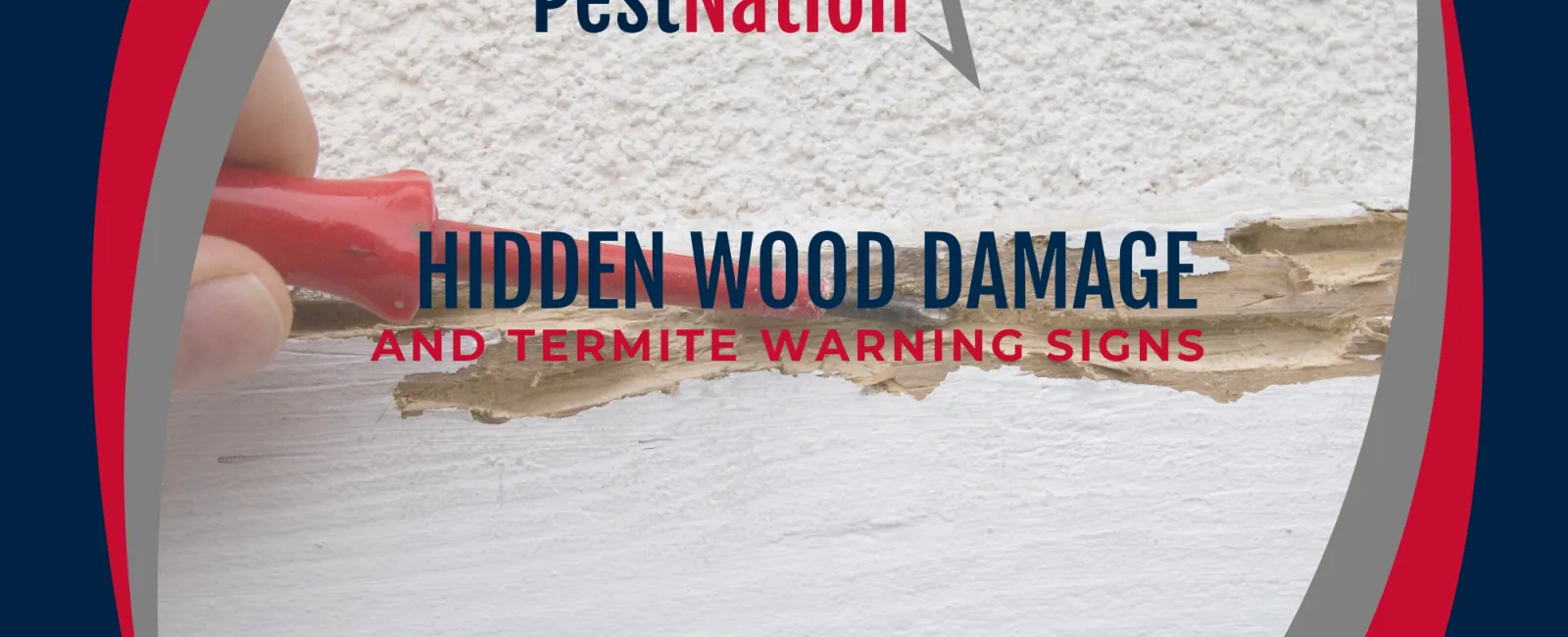
Wood damage around a home is often easy to overlook, especially when exterior surfaces appear mostly intact at first glance. However, subtle changes in wooden siding, trim, or structural materials can sometimes indicate deeper issues hidden beneath the surface. One of the most common causes of concealed wood deterioration in the Southeast is termite activity.
In a recent inspection, Licensed Pest Inspector Trey W. demonstrated visible wood damage during a service visit, highlighting how termites can affect wooden materials over time. Situations like this serve as an important reminder that termite damage is not always immediately obvious. In many cases, termites work from the inside out, leaving exterior surfaces looking relatively normal while internal structural materials gradually weaken.
For homeowners throughout the Southeast, understanding the early warning signs of termite damage is an important part of long-term property maintenance. Warm temperatures, humidity, and moisture-rich environments create ideal conditions for termites across the region, making preventative awareness and professional inspections especially valuable.
Why Termites Are a Major Concern in the Southeast
The Southeastern United States provides one of the most favorable environments for termites in the country. Consistently warm temperatures, seasonal rainfall, and elevated humidity levels create conditions that allow termite colonies to remain active for much of the year.
Subterranean termites are among the most common species found in the region. These termites live underground and travel through mud tubes to reach wood sources above the soil.
Because termite colonies often remain hidden, damage can continue developing long before homeowners notice visible warning signs.
This is why routine Southeastern Pest Inspections are an important part of protecting homes in areas where termite activity is common.
How Termites Damage Wood
Unlike many other pests, termites feed directly on cellulose materials found in wood and plant products. As they consume wood from the inside, they create hollowed pathways that weaken the structure over time.
One reason termite damage can be difficult to detect is that the outer surface of the wood may remain mostly intact while the interior becomes compromised.
This hidden activity can affect:
- Siding
- Trim boards
- Support beams
- Flooring
- Window and door frames
Over time, structural integrity may decline if the activity continues undetected.
Early Signs of Termite Damage
Homeowners often miss early termite warning signs because the symptoms can appear subtle at first.
Hollow or Soft Wood
Wood damaged by termites may sound hollow when tapped or feel soft under pressure. This occurs because termites remove material from inside the wood while leaving a thin exterior layer behind.
Cracked or Bubbling Paint
Moisture associated with termite activity can sometimes cause paint to bubble or crack. These changes may resemble ordinary moisture damage, making professional evaluation important.
Mud Tubes
Subterranean termites build mud tubes to travel between soil and wood sources while staying protected from open air.
These tubes are often found:
- Along foundations
- Near crawl spaces
- Around exterior walls
Mud tubes are one of the clearest signs of active termite movement.
Discarded Wings
Swarming termites shed their wings after reproducing. Piles of discarded wings near windows, doors, or siding can indicate termite activity nearby.
Why Exterior Wood Areas Are Vulnerable
Exterior wooden surfaces are frequently exposed to moisture, making them especially vulnerable to termite activity.
Areas around siding and trim are particularly at risk because they may experience:
- Rain exposure
- Humidity buildup
- Poor drainage
- Soil contact
Over time, these conditions can soften wood and create easier access for termites.
This is why licensed pest inspectors conducting Pest Inspections in Atlanta, Pest Inspections in Charlotte, Pest Inspections in Charleston, and Pest Inspections in Orlando often pay close attention to exterior wood conditions during evaluations.
Moisture and Termite Activity
Moisture is one of the biggest contributing factors to termite risk. Termites thrive in damp environments because moisture helps support both their survival and their ability to access wood materials.
Common moisture-related conditions include:
- Leaking gutters
- Poor drainage around the foundation
- Plumbing leaks
- Improper ventilation
Homes with persistent moisture issues may face a greater likelihood of termite activity.
Addressing moisture concerns is an important part of effective pest control and long-term property maintenance.
How Termites Enter Homes
Termites typically enter structures from below ground level. Small cracks and gaps in foundations can provide access points into wooden framing and siding materials.
Common entry locations include:
- Expansion joints
- Utility penetrations
- Foundation cracks
- Areas where wood contacts soil
Once termites gain access, they often remain hidden while expanding their colony and feeding on structural materials.
Why Professional Inspections Matter
Because termites often remain concealed inside wood or underground, professional inspections are one of the most reliable ways to identify activity early.
During Southeastern Pest Inspections, trained licensed pest inspectors evaluate both the interior and exterior of the home for signs of termite activity and environmental conditions that may increase risk.
Inspection areas often include:
- Exterior siding and trim
- Crawl spaces
- Foundations
- Moisture-prone areas
- Structural wood components
Professional evaluations help homeowners understand potential risks before visible damage becomes more severe.
Preventing Termite Damage
While no home is entirely immune to termites, several preventative steps can help reduce risk.
Reduce Wood-to-Soil Contact
Wooden materials that directly contact soil create easier access points for termites.
Maintaining proper clearance between wood and soil can help limit entry opportunities.
Improve Drainage
Ensuring water flows away from the foundation reduces excess moisture around the home.
Proper grading and gutter maintenance are important preventative measures.
Address Moisture Problems Quickly
Repairing leaks and improving ventilation can help reduce the damp conditions termites prefer.
Schedule Routine Inspections
Regular inspections help identify changes in wood condition and other warning signs before larger problems develop.
This proactive approach is especially valuable in termite-prone regions.
Interior and Exterior Pest Control Strategies
Effective termite prevention involves evaluating both interior and exterior environments.
Exterior conditions such as landscaping, drainage, and foundation exposure can influence termite activity, while interior moisture levels and wood conditions also play an important role.
Comprehensive pest control strategies often include:
- Monitoring vulnerable areas
- Identifying conducive conditions
- Evaluating structural risks
- Recommending preventative maintenance steps
This integrated approach helps homeowners better protect their property over time.
Long-Term Importance of Early Detection
One of the most important aspects of termite management is early detection. Because termites often remain hidden, identifying warning signs early can help reduce the likelihood of more extensive structural deterioration.
Even subtle indicators—such as softened wood, minor surface damage, or unusual changes in siding—can provide valuable insight into what may be occurring beneath the surface.
Professional inspections help interpret these signs accurately and provide homeowners with informed guidance.
Wood damage caused by termites is often difficult to recognize in its early stages because much of the activity occurs behind surfaces or inside structural materials. By the time damage becomes clearly visible, termites may have already been active for an extended period.
Understanding the warning signs of termite activity allows homeowners to take a more proactive approach to protecting their property. Conditions such as moisture buildup, wood-to-soil contact, and aging exterior materials can all increase vulnerability over time.
Routine inspections provide valuable insight into these conditions and help identify potential issues before they become more significant.
Through professional evaluations like Southeastern Pest Inspections, homeowners can better understand the condition of their property and make informed decisions regarding maintenance and pest control.
PestNation continues to support homeowners throughout the Southeast with detailed inspections and preventative pest control services designed to help identify termite activity and protect homes from hidden structural risks.