
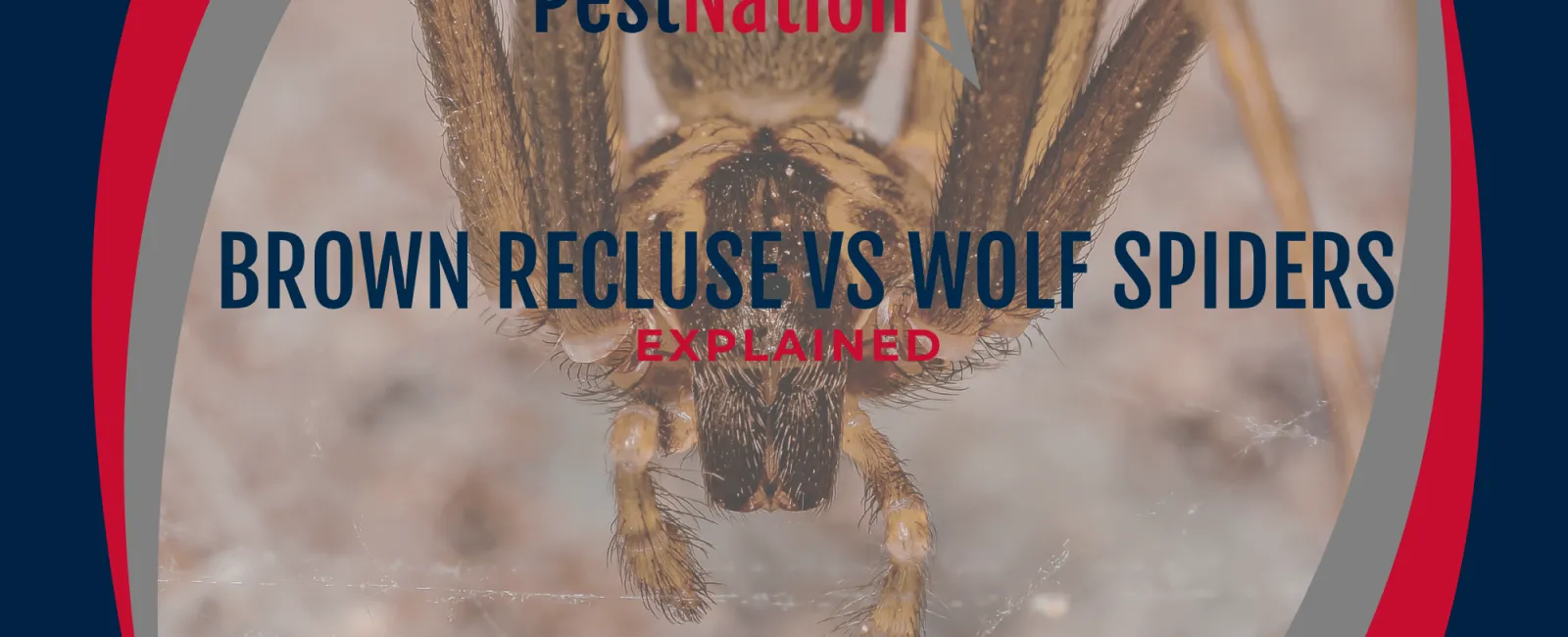
Spiders are a common part of the ecosystem across the Southeastern United States, but not all species are viewed the same by homeowners. Among the most frequently confused are the brown recluse spider and the wolf spider. While both may appear similar at first glance, they differ significantly in behavior, risk level, and how they interact with human environments. In cities like Atlanta and Charlotte, as well as coastal regions that rely on Charleston pest control services, understanding these differences is essential for managing spider activity safely and effectively.
Many homeowners assume that any large or fast-moving spider is dangerous, which often leads to unnecessary concern. In reality, most spiders encountered in homes are harmless and play a beneficial role by controlling insect populations. However, the brown recluse spider is considered medically significant, while the wolf spider is generally harmless despite its intimidating appearance. Knowing how to identify these spiders and understand their behavior can help homeowners respond appropriately. Through detailed PestNation pest inspections and comprehensive Atlanta, Charlotte, and Charleston interior and exterior pest treatments, PestNation helps homeowners distinguish between species and implement effective Spider Control in the Southeast.
Spiders are often indicators of environmental conditions such as moisture and insect activity. Whether dealing with a brown recluse spider or a wolf spider, addressing the underlying factors that attract them is key to long-term pest management.
Why Spider Identification Matters
Accurate identification is one of the most important steps in managing spider activity. Misidentifying a harmless spider as a dangerous one can lead to unnecessary worry, while failing to recognize a brown recluse spider may delay appropriate action.
Key reasons identification is important include:
- Determining potential health risks
- Selecting the correct treatment approach
- Avoiding unnecessary pesticide use
- Understanding environmental conditions
In Atlanta and Charlotte homes, spider sightings often occur in basements, garages, and crawl spaces. Charleston pest control professionals frequently encounter spiders in humid environments where insect activity is high.
Because different species require different responses, PestNation pest inspections focus on identifying spiders accurately before recommending treatment.
Physical Characteristics of the Brown Recluse Spider
The brown recluse spider is one of the few medically significant spiders found in the Southeast. It is typically light to medium brown in color and is known for the distinctive violin-shaped marking on its back.
Key identifying features include:
- Uniform light to dark brown coloration
- Violin-shaped marking on the cephalothorax
- Long, thin legs without visible spines
- Six eyes arranged in pairs (unlike most spiders, which have eight)
Brown recluse spiders are relatively small, with a body length of about ¼ to ½ inch. Despite their small size, they are often feared due to their potential to deliver a medically significant bite.
In Atlanta and Charlotte, brown recluse spiders are most commonly found in undisturbed indoor areas such as attics, closets, and storage spaces.
Physical Characteristics of the Wolf Spider
The wolf spider is often mistaken for more dangerous species due to its size and appearance. However, it is generally harmless to humans.
Key identifying features include:
- Larger, more robust body
- Hairy appearance
- Brown or gray coloration with patterning
- Eight eyes arranged in three rows
- Thick legs adapted for hunting
Wolf spiders are typically larger than brown recluse spiders and may appear more intimidating because of their size and speed.
In Charleston pest control environments, wolf spiders are commonly found in crawl spaces, basements, and outdoor areas where they hunt for insects.
Behavior Differences
Understanding how these spiders behave can help homeowners identify them more accurately.
Brown Recluse Spider Behavior
The brown recluse spider is known for its reclusive nature. It prefers to remain hidden and avoids human contact whenever possible.
Typical behaviors include:
- Hiding in dark, undisturbed areas
- Limited web-building (primarily for shelter, not hunting)
- Nocturnal activity
- Avoiding open spaces
Bites typically occur when the spider is accidentally disturbed, such as when someone reaches into a storage box or puts on clothing where the spider is hiding.
Wolf Spider Behavior
Wolf spiders are active hunters and do not rely on webs to catch prey. Instead, they chase and capture insects.
Typical behaviors include:
- Active movement across floors or ground surfaces
- Hunting rather than web-building
- Preference for outdoor environments
- Occasional indoor wandering
Because wolf spiders move quickly and are often seen in open areas, they are more noticeable to homeowners.
Habitat and Preferred Environments
Both spiders prefer environments that provide shelter and access to food, but their specific preferences differ.
Brown Recluse Spider Habitats
- Attics
- Closets
- Storage boxes
- Basements
- Undisturbed indoor areas
In Atlanta and Charlotte, brown recluse spiders are often found in homes with cluttered storage spaces or infrequently used areas.
Wolf Spider Habitats
- Lawns and landscaping
- Crawl spaces
- Basements
- Garages
- Outdoor ground-level areas
Charleston pest control professionals frequently encounter wolf spiders in damp crawl spaces where insect activity is high.
Understanding these habitat preferences can help homeowners identify which species they may be dealing with.
Risk and Health Concerns
One of the most important differences between the brown recluse spider and the wolf spider is the level of risk they pose.
Brown Recluse Spider Risks
The brown recluse spider is considered medically significant. While bites are rare, they can cause localized skin irritation and, in some cases, more serious reactions.
Symptoms may include:
- Redness and swelling
- Blistering
- Skin irritation
- Tissue damage in rare cases
Medical attention is recommended if a bite is suspected.
Wolf Spider Risks
Wolf spiders are not considered dangerous to humans. While they may bite if threatened, their bites are typically mild and cause minimal symptoms.
Most wolf spider encounters do not result in bites, as these spiders prefer to avoid human interaction.
Why Spiders Appear in Homes
Both brown recluse spiders and wolf spiders are drawn to homes for similar reasons:
- Access to insects for food
- Shelter from environmental conditions
- Availability of dark, undisturbed spaces
- Entry through structural gaps
In Atlanta, Charlotte, and Charleston pest control environments, increased insect activity often leads to increased spider presence.
Because spiders rely on insects for survival, controlling other pests is a key component of Spider Control in the Southeast.
The Role of Professional Pest Inspections
Accurately identifying spider species and understanding the conditions that attract them requires professional evaluation. PestNation pest inspections provide a comprehensive assessment of both interior and exterior areas.
During inspections, technicians evaluate:
- Spider activity levels
- Insect populations
- Structural entry points
- Moisture conditions
- Environmental factors contributing to infestations
In Atlanta, Charlotte, and Charleston pest control scenarios, these inspections often reveal hidden issues that contribute to spider activity.
Integrated Spider Control Strategies
Effective Spider Control in the Southeast requires a combination of targeted treatments and preventative measures.
Atlanta, Charlotte, and Charleston interior and exterior pest treatments may include:
- Removal of webs and egg sacs
- Reduction of insect populations
- Sealing entry points
- Moisture control
- Targeted treatments in high-activity areas
By addressing both spiders and the conditions that attract them, pest professionals can achieve long-term results.
Brown recluse spiders and wolf spiders are often confused, but understanding their differences is essential for effective pest management. While the brown recluse spider carries potential health risks and prefers hidden indoor environments, the wolf spider is generally harmless and more likely to be seen actively hunting in open areas. Recognizing these distinctions allows homeowners to respond appropriately and avoid unnecessary concern.
In cities like Atlanta and Charlotte, as well as coastal areas served by Charleston pest control professionals, spider activity is influenced by environmental factors such as moisture and insect populations. Through detailed PestNation pest inspections and comprehensive Atlanta, Charlotte, and Charleston interior and exterior pest treatments, homeowners can identify spider species accurately and implement effective Spider Control in the Southeast. By focusing on prevention, proper identification, and targeted treatment, PestNation helps homeowners maintain safe, comfortable, and pest-free living environments.