
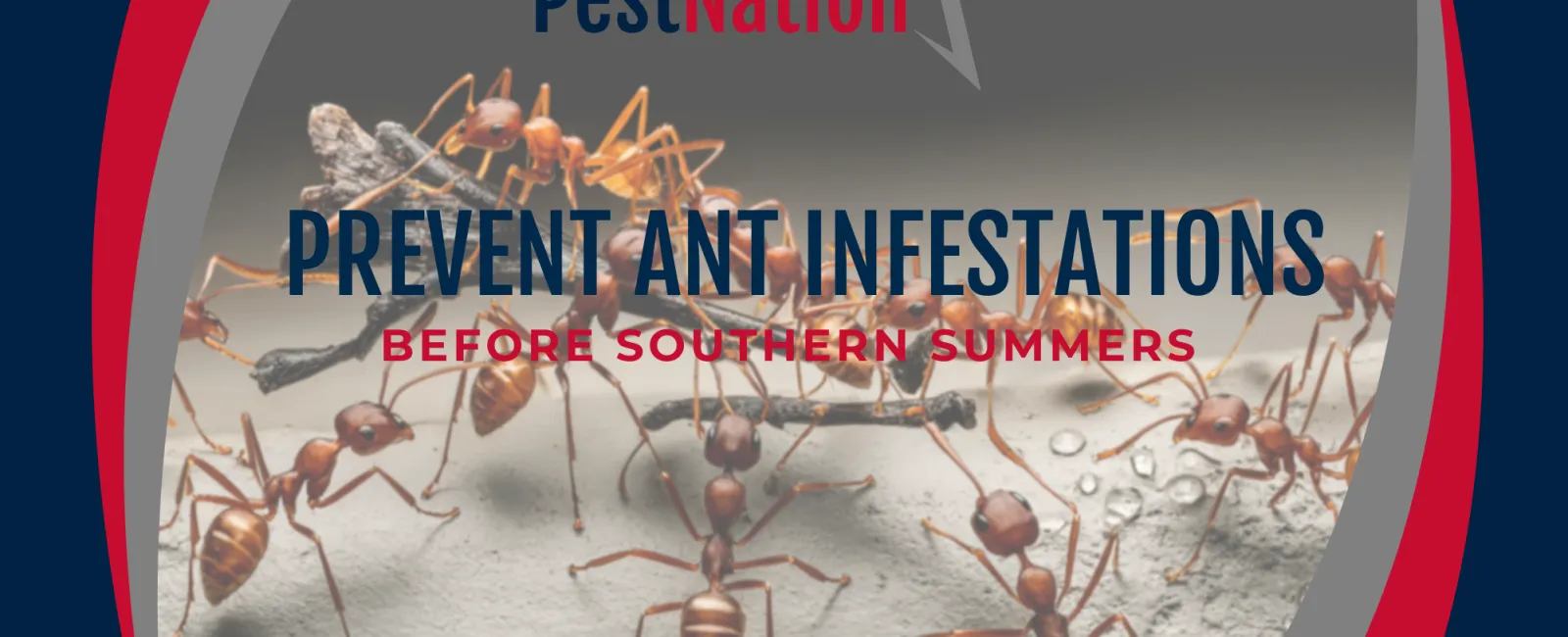
As temperatures rise across the Southeastern United States, ant activity begins to surge. Homeowners in cities such as Atlanta, Charlotte, and coastal communities that rely on Charleston pest control services often notice the first signs of ants appearing in kitchens, bathrooms, patios, and yard spaces long before peak summer arrives. Because ants become increasingly active as weather warms, early preparation is essential for avoiding large infestations later in the season.
Southern climates create ideal conditions for ant colonies to expand quickly. Warm temperatures, consistent humidity, and frequent rainfall allow ants to forage and reproduce throughout much of the year. Without proper preventative strategies, small colonies can rapidly turn into major problems inside and around homes. Learning practical ant prevention tips and understanding how professional pest management supports long-term solutions can help homeowners protect their properties before summer brings peak pest activity.
In rapidly growing Southeastern cities such as Atlanta and Charlotte, residential expansion and landscape development often disturb existing insect habitats. When these natural habitats are disrupted, ant colonies frequently relocate closer to homes in search of food and shelter. Coastal environments near Charleston also contribute to the problem, as sandy soil and higher humidity create ideal conditions for colony growth.
Because ants operate in highly organized social systems, eliminating visible ants alone rarely solves the issue. Effective ant control for southern homes requires addressing both the ants that are seen and the larger colony that may be hidden underground or inside structural voids.
Why Ant Problems Increase Before Summer
In the Southeast, ant colonies become more active during spring as temperatures stabilize and food sources become plentiful. Worker ants begin exploring new areas in search of food, which often leads them indoors.
Several environmental factors contribute to seasonal infestations:
-
Warmer soil temperatures stimulate colony growth
-
Increased rainfall pushes ants toward higher ground
-
Outdoor food sources become more abundant
-
Landscaping and yard debris provide shelter
In major metropolitan areas like Atlanta and Charlotte, residential expansion often disrupts natural ant habitats, forcing colonies closer to homes. In Charleston pest control situations, coastal humidity and sandy soil further encourage colony development.
Because ants operate in highly organized colonies, eliminating visible ants alone rarely solves the problem. Effective ant control for southern homes must target the entire colony and address conditions that attract ants in the first place.
Common Ant Species in Southern Homes
Several ant species commonly invade homes throughout the Southeast. Each behaves differently, which means prevention and treatment strategies must be adapted accordingly.
Odorous House Ants
These small ants often invade kitchens and pantries in search of sugary foods. When crushed, they release a distinctive odor, which is how they earned their name. Odorous house ants are among the most common indoor invaders in Atlanta and Charlotte.
Carpenter Ants
Carpenter ants can cause structural concerns because they excavate wood to build nesting sites. Homes with moisture issues or aging wood structures in Atlanta and Charlotte are particularly vulnerable to carpenter ant activity.
Little Black Ants
These ants commonly enter homes through extremely small cracks and openings. Once they locate a food source, they establish long trails that allow thousands of ants to follow.
Fire Ants
Fire ants are aggressive outdoor pests known for painful stings. Their mounds frequently appear in lawns, gardens, and landscaped areas. Because of the risk they pose to families and pets, Fire Ant Control in the Southeast is an important component of overall ant management.
Understanding which species is present allows professionals to determine the most effective ant prevention tips and treatment strategies.
Seal Entry Points Around the Home
Ants can enter homes through incredibly small openings. Cracks in foundations, gaps around plumbing pipes, and poorly sealed windows often serve as entry points.
Key areas to inspect include:
-
Foundation cracks
-
Window frames
-
Door thresholds
-
Utility penetrations
-
Exterior siding gaps
Sealing these vulnerabilities significantly reduces the likelihood of an infestation. In many cases, PestNation pest inspections identify structural openings homeowners may overlook.
By addressing these access points early in the season, homeowners strengthen their defense against ant invasions and improve long-term ant control for southern homes.
Maintain a Clean Indoor Environment
Ants are highly efficient foragers. Even small food residues can attract worker ants, which then leave scent trails for the rest of the colony to follow.
Important sanitation practices include:
-
Wiping kitchen counters regularly
-
Storing food in sealed containers
-
Cleaning crumbs from floors and cabinets
-
Rinsing recyclable containers before disposal
-
Keeping pet food areas clean
Homes in Atlanta and Charlotte with active households may experience increased ant pressure simply because of frequent food preparation. Maintaining cleanliness significantly reduces attractants.
These simple ant prevention tips can make a significant difference when combined with professional pest management services.
Manage Outdoor Conditions
Outdoor conditions play a major role in ant activity. Landscaping that touches the home's exterior can create bridges that allow ants easy access indoors.
To reduce risk:
-
Trim shrubs and branches away from siding
-
Remove leaf litter and yard debris
-
Avoid excessive mulch directly against foundations
-
Store firewood away from structures
-
Maintain proper drainage around the home
In Charleston pest control scenarios, humid conditions often lead to dense vegetation growth. Regular landscaping maintenance helps reduce nesting areas near homes.
Fire ant colonies frequently establish themselves in lawns, gardens, and open soil areas. Early detection is essential for effective Fire Ant Control in the Southeast.
Address Moisture Issues
Moisture attracts many ant species, particularly carpenter ants and other insects that ants prey upon.
Common moisture sources include:
-
Leaking pipes
-
Poor drainage around foundations
-
HVAC condensation lines
-
Damp crawl spaces
In Southeastern climates, humidity can make moisture management particularly challenging. Homes in coastal areas like Charleston may experience higher baseline moisture levels, making routine inspections even more important.
Resolving these issues not only helps prevent ants but also reduces the likelihood of other pest problems.
Monitor for Early Signs of Activity
Recognizing early warning signs allows homeowners to intervene before a colony becomes established indoors.
Indicators of potential infestations include:
-
Visible ant trails
-
Small piles of soil near foundations
-
Ant activity around windows or doors
-
Fire ant mounds appearing in lawns
PestNation pest inspections are designed to identify these early signs and determine the most appropriate course of action.
Routine inspections are particularly valuable in cities such as Atlanta and Charlotte, where dense neighborhoods increase the likelihood of neighboring colonies spreading between properties.
Professional Treatment Strategies
While preventative measures are essential, professional treatments often provide the most reliable long-term results. Ant colonies can contain thousands—or even millions—of individuals, making complete elimination difficult without targeted methods.
Comprehensive pest management may include:
-
Baiting systems that target the colony
-
Perimeter barrier treatments
-
Nest identification and elimination
-
Monitoring stations
-
Fire ant mound treatments
Atlanta, Charlotte, and Charleston interior and exterior pest treatments address both indoor activity and outdoor colony locations. This integrated approach ensures ants are controlled at their source rather than just along visible trails.
Fire Ant Control in the Southeast often involves broadcast bait applications and targeted mound treatments to reduce aggressive outdoor populations.
Why Prevention Is the Best Strategy
Once ants establish multiple colonies around a property, elimination becomes significantly more difficult. Preventative pest management allows homeowners to reduce attractants, eliminate access points, and suppress colonies before they become widespread.
Preventative service plans often include:
-
Seasonal PestNation pest inspections
-
Exterior perimeter treatments
-
Monitoring for emerging colonies
-
Recommendations for environmental improvements
These proactive strategies help homeowners maintain effective ant control for southern homes throughout the year.
Ant infestations are a common challenge across the Southeastern United States, particularly as temperatures rise before summer. Warm climates, abundant moisture, and dense residential development create conditions where ants can thrive. Without preventative action, small colonies can quickly expand into widespread infestations affecting both indoor and outdoor living spaces.
Homeowners in Atlanta, Charlotte, and coastal areas relying on Charleston pest control services can significantly reduce risk by following practical ant prevention tips and maintaining regular pest management routines. Through thorough PestNation pest inspections and coordinated Atlanta, Charlotte, and Charleston interior and exterior pest treatments, long-term protection becomes achievable. By addressing environmental factors, sealing entry points, and implementing strategic Fire Ant Control in the Southeast, PestNation helps Southern homeowners stay ahead of ant activity and enjoy a pest-free home before the heat of summer arrives.