
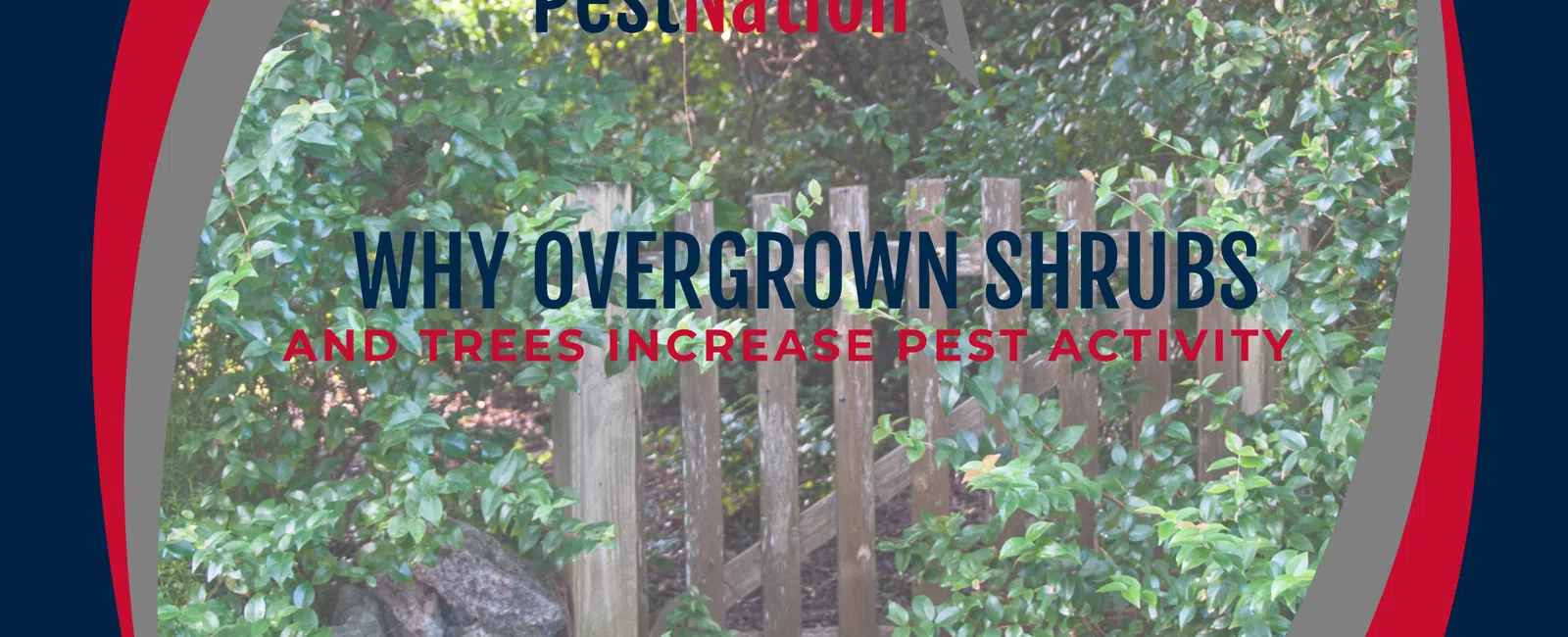
Healthy landscaping adds beauty, shade, and value to a property, but it also requires regular maintenance to remain an asset rather than a liability. Trees, shrubs, hedges, and ornamental plants naturally provide habitat for wildlife and beneficial insects. However, when vegetation becomes overgrown, it can also create ideal conditions for unwanted pests. Branches touching the home, dense shrubs along the foundation, and excessive ground cover provide shelter, moisture, and easy access for insects and rodents looking for food and nesting sites.
For homeowners, renters, property managers, and business owners, understanding the relationship between landscaping and pest activity is an important part of long-term property maintenance. Many pest infestations begin outdoors before insects or rodents ever make their way inside. Through routine PestNation Pest Inspections, proactive landscaping maintenance, and professional Residential Pest Control, Exterior Pest Control, and Interior Pest Control, property owners can significantly reduce the conditions that attract pests and minimize future infestations.
Why Landscaping Matters
Your landscape serves as the first line of defense around your home or commercial property. Properly maintained trees and shrubs improve airflow, reduce excess moisture, and eliminate many of the hiding places pests rely on for survival.
When vegetation becomes dense or overgrown, it creates:
- Shaded, humid environments
- Protected nesting areas
- Easy travel routes
- Food sources for insects
- Reduced visibility during inspections
These conditions increase the likelihood that pests will establish themselves close to the structure.
Research published by University of Georgia Extension explains how overgrown vegetation creates ideal conditions for insects and rodents by providing shelter, food sources, and easy access to homes. This guidance reinforces why routine pruning and landscape maintenance should be considered part of every pest prevention strategy.
https://extension.uga.edu/
Overhanging tree limbs may look harmless, but they often become direct access routes to roofs and attics.
Rodents such as squirrels and roof rats frequently use tree branches to reach:
- Roof vents
- Fascia boards
- Soffits
- Gutters
- Chimneys
Once on the roof, these pests can locate small openings and enter the structure.
Branches touching siding can also create pathways for ants, spiders, and other crawling insects.
Keeping branches trimmed several feet away from the home helps interrupt these travel routes while improving overall tree health.
Dense Shrubs Create Hidden Shelter
Shrubs planted too close to exterior walls often trap moisture while limiting sunlight and airflow.
These conditions attract numerous pests, including:
- Cockroaches
- Ants
- Spiders
- Earwigs
- Millipedes
- Rodents
Because dense vegetation conceals pest activity, infestations frequently remain unnoticed until pests move indoors.
Routine pruning allows the landscape to dry more quickly after rain while making it easier to identify developing pest issues.
Moisture Is a Major Contributing Factor
Moisture plays a significant role in attracting insects.
Overgrown landscaping often:
- Holds moisture longer
- Reduces airflow
- Shades soil
- Slows evaporation
These conditions support insects that require damp environments.
Educational guidance from Clemson Home & Garden Information Center highlights proper tree and shrub maintenance practices that can help reduce pest pressure around residential properties. Their recommendations emphasize pruning, proper spacing, and maintaining healthy plant growth to discourage insect activity.
Overgrown Landscaping Encourages Mosquitoes
Mosquitoes require moisture to reproduce.
Landscaping that prevents water from drying quickly may create ideal breeding conditions around:
- Decorative plants
- Dense shrubs
- Ground cover
- Poorly drained flower beds
Combined with standing water, excessive vegetation allows mosquito populations to grow rapidly.
Professional mosquito management, combined with proper landscape maintenance, helps reduce these favorable conditions.
Rodents Prefer Protected Areas
Rodents avoid open spaces whenever possible.
Heavy vegetation gives mice and rats:
- Cover from predators
- Protected travel routes
- Nesting materials
- Easy access to buildings
Shrubs surrounding HVAC units, storage buildings, and foundations frequently become rodent nesting areas.
Regular trimming improves visibility while discouraging rodent activity.
Overgrown Plants Hide Structural Problems
Dense landscaping often conceals conditions that contribute to pest infestations.
Examples include:
- Foundation cracks
- Utility penetrations
- Damaged siding
- Termite mud tubes
- Wood rot
- Drainage issues
Routine landscape maintenance allows homeowners and pest professionals to identify these problems before infestations become severe.
Trees Can Damage Roof Systems
Large branches rubbing against roofing materials may gradually damage shingles and flashing.
Over time this can lead to:
- Roof leaks
- Moisture intrusion
- Wood decay
These conditions increase the likelihood of termites, carpenter ants, and other moisture-related pests.
Preventing roof damage is an important component of long-term pest management.
Landscaping Can Affect Pest Inspections
Professional inspections are most effective when inspectors can clearly access exterior walls and foundations.
Heavy vegetation limits visibility around:
- Foundations
- Crawlspaces
- Utility penetrations
- Decks
- Exterior walls
Keeping shrubs properly trimmed allows PestNation Pest Inspections to identify potential pest activity more efficiently.
Seasonal Growth Changes Pest Activity
Different seasons affect landscaping growth and pest behavior.
Spring encourages rapid vegetation growth alongside increased insect activity.
Summer's heat and humidity support mosquitoes, ants, and cockroaches.
During fall, rodents begin searching for winter shelter while overgrown vegetation provides ideal cover.
Year-round maintenance helps reduce seasonal pest pressure before infestations begin.
Landscaping and Integrated Pest Management
Modern pest management focuses on prevention rather than simply treating active infestations.
Resources from the University of California Integrated Pest Management Program reinforce the importance of Integrated Pest Management strategies that combine landscape maintenance with professional pest control. Removing favorable conditions, improving sanitation, and reducing pest access often provide longer-lasting results than pesticide applications alone.
Healthy landscaping is one of the simplest ways to support an Integrated Pest Management program.
Native Plants and Proper Maintenance
Healthy landscapes are not necessarily pest-free landscapes.
Educational materials from UF/IFAS Gardening Solutions recommend selecting plants suited to local growing conditions and maintaining proper spacing between shrubs and trees. Healthy plants are generally more resistant to disease and less likely to create the dense, moisture-filled environments that many pests prefer.
Likewise, guidance from NC State Extension encourages homeowners to monitor plant growth throughout the year and prune vegetation before it begins contacting structures or restricting airflow.
Practical Tree and Shrub Pest Prevention Tips
Property owners can reduce pest activity by:
- Pruning tree branches away from roofs.
- Keeping shrubs several feet from exterior walls.
- Removing dead limbs and fallen debris.
- Improving drainage around planting beds.
- Reducing excessive mulch depth.
- Mowing regularly.
- Eliminating standing water.
- Inspecting landscaping seasonally.
These simple practices strengthen tree and shrub pest prevention efforts while improving overall property appearance.
Professional Pest Control Makes the Difference
Even well-maintained landscapes can experience pest activity.
Professional services help identify hidden problems before they become costly infestations.
Whether homeowners need Atlanta Pest Control, Charlotte Pest Control, Orlando Pest Control, or Charleston Pest Control, comprehensive inspections and customized treatment plans address both existing infestations and the environmental conditions supporting them.
PestNation also provides Atlanta Interior and Exterior Pest Treatments, Charlotte Interior and Exterior Pest Treatments, Orlando Interior and Exterior Pest Treatments, and Charleston Interior and Exterior Pest Treatments, giving homeowners comprehensive protection both inside and outside the home.
Overgrown landscaping does far more than affect curb appeal. Dense shrubs, low-hanging tree branches, excessive moisture, and neglected vegetation create environments where insects and rodents can thrive. Left unmanaged, these conditions increase the likelihood of pests reaching the home and establishing infestations that may require extensive treatment.
Maintaining healthy trees and shrubs is one of the most effective ways to reduce overgrown landscaping pests while protecting the long-term value of a property. Combined with routine PestNation Pest Inspections, proactive maintenance, and professional Residential Pest Control, Exterior Pest Control, and Interior Pest Control, homeowners and property managers can significantly reduce pest pressure throughout the year. By making landscaping part of an overall prevention strategy, properties become healthier, safer, and far less attractive to unwanted pests.