
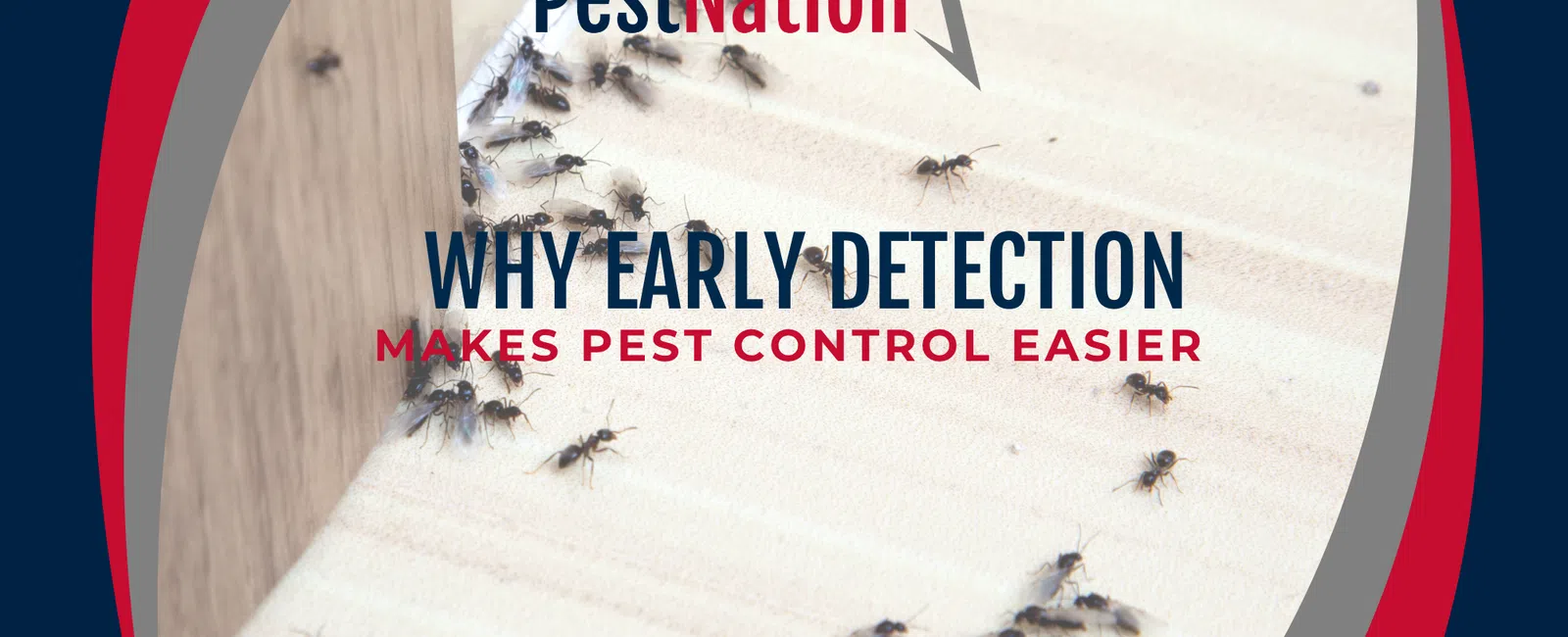
Pest problems are often easier to manage when signs are recognized before activity becomes widespread. That does not mean every insect, dropping, or damaged package signals a serious infestation. Occasional pests can enter homes for many reasons, including seasonal movement, weather, open doors, or accidental transport. The value of early pest detection is in recognizing patterns, identifying unusual evidence, and taking a closer look before a small issue has more time to develop.
Routine inspection and monitoring can help homeowners notice changes that might otherwise go undetected. Pests frequently hide in dark, protected, or infrequently disturbed areas, which means activity may continue for some time before insects or damage become obvious. By paying attention to early signs and environmental conditions, homeowners have more opportunities to address sanitation, moisture, entry points, or harborage while the problem is still better defined. When the source is unclear, professional pest inspection services can help identify the pest and the conditions contributing to its presence.
What Early Pest Detection Means
Early pest detection means recognizing evidence of pest activity before the problem becomes heavily established or spreads to multiple areas.
Detection can involve more than seeing a live insect. It may include noticing:
- Droppings
- Gnaw marks
- Shed skins
- Egg cases
- Webbing
- Nesting material
- Damaged packaging
- Dead insects
- Unusual odors
One sign by itself does not always provide a complete answer. The location, frequency, type of evidence, and pest species all matter.
A recurring trail of ants near the same window, for example, provides more useful information than a single ant seen once. Likewise, one dead cockroach near an exterior door may have a different meaning than repeated sightings around a kitchen, bathroom, or appliance area.
Why Pests Can Remain Hidden
Many pests naturally seek protected spaces where they are difficult to observe.
Potential hiding areas include:
- Wall voids
- Cabinet seams
- Areas behind appliances
- Crawlspaces
- Attics
- Basements
- Storage areas
- Utility spaces
These locations provide darkness, shelter, reduced disturbance, and sometimes access to food or water.
Cockroaches may remain concealed for much of the day. Ants may travel from a colony that is outdoors or inside a hidden structural space. Rodents may remain active primarily at night. Other insects may develop inside stored products or protected organic material.
Because pests can remain hidden, visible activity may not be the first sign a homeowner notices.
Early Detection Can Limit How Established a Problem Becomes
When pest activity continues unnoticed, populations may have more time to reproduce, expand into new areas, or create additional damage.
That does not mean every pest problem grows rapidly or becomes severe. Different species reproduce and spread at very different rates.
However, identifying a problem earlier can give homeowners more options.
For example, early evidence may make it possible to:
- Correct an entry point
- Repair a leak
- Remove a food source
- Reduce clutter
- Address exterior conditions
- Begin targeted monitoring
These actions can help prevent favorable conditions from continuing unchecked.
A Single Sighting Does Not Automatically Mean Infestation
Homeowners should avoid assuming the worst after seeing one insect.
A pest may enter accidentally through:
- An open door
- A window
- A torn screen
- A package
- Firewood
- Outdoor landscaping
The more useful question is whether activity is recurring.
Repeated sightings, several life stages, droppings, egg cases, or damage in multiple locations provide stronger reasons to investigate further.
Early detection is about gathering information, not treating every isolated sighting as an emergency.
Common Signs of Pest Activity
Different pests leave different evidence.
Cockroaches may leave droppings, egg cases, or shed skins.
Rodents may leave:
- Droppings
- Gnaw marks
- Nesting material
Stored-product insects may be associated with:
- Webbing
- Damaged packaging
- Live insects in pantry products
Spiders may leave webs, while wood-destroying insects may leave holes, galleries, or damaged wood depending on the species.
The UGA Extension - Insect and Arthropod Pests of Southeastern Neighborhoods provides useful information about common household and structural pests found throughout the Southeast. The resource illustrates why pest signs can vary significantly by species and habitat, reinforcing the importance of identifying what type of pest may be present before deciding what response is appropriate.
Pest Identification Matters
A sign of activity is only part of the picture.
Accurate pest identification helps determine:
- Where the pest may be coming from
- What conditions it prefers
- Where it may be hiding
- Whether it is likely to reproduce indoors
- Which prevention steps may be relevant
For example, different ant species can have very different nesting habits.
Some cockroach species primarily live indoors, while others are commonly associated with exterior areas and occasionally enter homes.
Homeowners are not expected to identify every insect themselves. When the pest is difficult to recognize, pest inspection services can help provide a more reliable identification.
Kitchens and Pantries Are Important Inspection Areas
Kitchens offer several resources pests may use:
- Food
- Water
- Warmth
- Shelter
Early signs may appear around:
- Cabinets
- Pantries
- Trash containers
- Pet-feeding areas
- Appliances
- Plumbing
Homeowners should pay particular attention to areas beneath or behind refrigerators, ranges, and dishwashers because food residue and moisture can accumulate where normal cleaning does not reach easily.
Pantry products also deserve periodic inspection for insects, webbing, or damaged packaging.
Bathrooms and Utility Areas Can Reveal Moisture Problems
Bathrooms and utility spaces are another important area for early pest detection because they often contain moisture.
Potential sources include:
- Dripping faucets
- Plumbing leaks
- Condensation
- Floor drains
- Water heaters
- Washing machines
Pest activity around these areas may indicate that water is helping support the population.
Moisture-loving insects may continue returning even if food sources are limited.
Finding and correcting a leak early can therefore benefit both pest prevention and property maintenance.
Crawlspaces, Attics, and Storage Areas Deserve Attention
Less frequently visited areas can allow pest evidence to accumulate without being noticed.
Crawlspaces may contain:
- Humidity
- Plumbing leaks
- Wood debris
- Structural openings
Attics may provide:
- Warmth
- Insulation
- Entry points
- Undisturbed shelter
Garages, basements, and storage rooms can contain cardboard, stored goods, pet food, seasonal decorations, and other materials that make inspection more difficult.
Routine checks can reveal droppings, damage, webbing, or insect activity before those signs appear in occupied rooms.
Moisture Can Be an Early Warning Condition
Pest detection is not limited to looking for insects.
Environmental conditions can also provide clues about where activity may develop.
Possible moisture sources include:
- Plumbing leaks
- Condensation
- Standing water
- Damp crawlspaces
- Poor drainage
- Clogged exterior drains
Many pests require reliable moisture.
If a sink cabinet remains damp or water is pooling near the foundation, correcting those conditions may reduce the likelihood that insects will continue using the area.
Routine inspections help homeowners identify these conditions even before significant pest evidence appears.
Entry Points Can Explain Where Pests Are Coming From
Pests frequently enter through structural gaps rather than appearing spontaneously indoors.
Potential access points include:
- Cracks
- Gaps beneath doors
- Damaged screens
- Utility penetrations
- Plumbing openings
- Deteriorated seals
If pest sightings repeatedly occur near one part of the home, an inspection of nearby openings may reveal a likely pathway.
Exclusion is an important part of prevention because reducing access can lower the number of pests entering from outside.
Exterior Conditions Influence Indoor Pest Pressure
The area surrounding the home can affect how much pest activity occurs near structural openings.
Potential contributors include:
- Mulch
- Leaf litter
- Vegetation
- Wood piles
- Garbage areas
- Standing water
- Dense landscaping
None of these conditions automatically creates an infestation.
The concern is that they may provide moisture, food, or shelter that attracts insects closer to the structure.
Maintaining exterior areas and keeping foundations visible can make it easier to identify changes early.
Monitoring Devices Can Detect Hidden Activity
Monitoring devices can provide information when pests are not easily observed during normal household routines.
Depending on the pest, appropriate monitoring tools may help detect:
- Movement
- Repeated activity
- Pest hotspots
- Changes over time
The U.S. EPA - Integrated Pest Management Principles identifies monitoring and accurate pest identification as important components of Integrated Pest Management. This supports the value of recognizing pest evidence early and gathering enough information to determine whether additional management measures may be appropriate.
Monitoring is most useful when interpreted alongside inspection findings rather than by itself.
Monitoring Can Reveal Pest Hotspots
If activity repeatedly appears in one location, that pattern can help narrow the investigation.
For example:
- Repeated cockroach activity beneath a sink may suggest moisture or harborage.
- Ants near one window may indicate an exterior entry route.
- Pest evidence near stored food may point toward pantry products.
Monitoring over time can also reveal whether activity is increasing, decreasing, or shifting.
This is more informative than relying on a single sighting.
Routine Inspections Look for More Than Pests
A useful inspection evaluates both evidence and conditions that may support activity.
Professionals may assess:
- Entry points
- Moisture
- Food sources
- Harborage
- Structural gaps
- Exterior conditions
The U.S. EPA - Introduction to Integrated Pest Management explains pest management as a process that combines prevention, monitoring, and control strategies. This broader framework shows why early detection is valuable: finding the pest is only part of the task. Understanding why it is present helps guide a more targeted response.
Pest Inspection Services Can Reduce Guesswork
When signs are difficult to interpret, professional pest inspection services can provide additional context.
A PestNation Pest Inspection may help determine:
- Which pest is present
- Where activity is concentrated
- Whether there are likely entry points
- Which areas provide harborage
- Whether moisture is contributing
- Whether pest pressure appears interior or exterior
This information can support better decisions about prevention and treatment.
It also helps avoid assuming that every insect requires the same response.
Early Detection Supports More Targeted Management
The earlier a pest issue is understood, the easier it may be to focus management on the actual problem.
For example, if monitoring identifies ants entering through one exterior gap, exclusion may become a priority.
If cockroach activity is concentrated near plumbing, moisture and harborage may require more attention.
If pests are associated with a pantry product, removing the affected source may be more useful than treating unrelated areas.
Early information helps replace guesswork with evidence.
Recordkeeping Can Reveal Patterns
Keeping simple records can make recurring pest activity easier to understand.
Useful information may include:
- Date of sighting
- Pest type
- Location
- Number observed
- Weather conditions
- Monitoring results
Over time, these notes can reveal patterns.
Activity may consistently occur after heavy rainfall, during a particular season, or around one part of the property.
This type of information can be especially useful during a professional inspection.
Integrated Pest Management Builds on Early Detection
The UC IPM - What Is Integrated Pest Management? emphasizes understanding pest biology, monitoring activity, and using multiple complementary strategies to manage pests. This supports an approach in which early detection is followed by identification and targeted action rather than an automatic response based only on the presence of an insect.
Integrated Pest Management may include:
- Inspection
- Monitoring
- Identification
- Sanitation
- Exclusion
- Moisture management
- Habitat modification
- Appropriate treatment
The objective is to manage both the pest and the conditions that support it.
Early Detection Does Not Guarantee an Easy Solution
Finding a pest early can provide more management options, but it does not guarantee that control will be immediate, inexpensive, or simple.
Some pests are difficult to manage because of:
- Hidden nesting areas
- Complex life cycles
- Multiple colonies
- Inaccessible harborages
- Continued exterior pressure
A small amount of visible evidence may occasionally represent activity that has been present for some time.
This is why professional evaluation can be valuable when the source is unclear.
When Professional Evaluation Makes Sense
Professional assistance may be appropriate when homeowners find:
- Recurring droppings
- Multiple pest hotspots
- Structural damage
- Persistent egg cases or shed skins
- Unexplained nesting material
- Increasing monitoring activity
- Difficult-to-identify insects
PestNation Pest Inspections can help determine whether the issue appears isolated or more established.
When treatment is warranted, professional Residential Pest Control and appropriate Interior and Exterior Pest Treatments can be selected based on the pest species, activity level, property conditions, and inspection findings.
Atlanta Pest Control and Early Detection
For homeowners seeking Atlanta Pest Control, warm temperatures, humidity, rainfall, crawlspaces, and extensive landscaping can support extended periods of pest activity.
Routine inspections can help identify moisture, exterior entry points, or recurring insect activity before problems become more established.
Monitoring is particularly useful around kitchens, crawlspaces, foundations, and landscaping.
Charlotte Pest Control and Seasonal Activity
For Charlotte Pest Control, changing temperatures and rainfall can influence how pests move throughout the year.
Activity may increase after heavy rain or during seasonal transitions.
Tracking where and when pests appear can help determine whether sightings reflect temporary outdoor pressure or an ongoing problem that deserves closer inspection.
Orlando Pest Control and Year-Round Monitoring
For homeowners needing Orlando Pest Control, warm temperatures and humidity can support pest activity throughout much of the year.
Regular attention to:
- Moisture
- Landscaping
- Entry points
- Indoor hotspots
can make changes easier to recognize.
Year-round monitoring can be particularly useful for properties with recurring ant, cockroach, or other insect pressure.
Charleston Pest Control and Moisture-Related Signs
For Charleston Pest Control, humidity and rainfall can contribute to moisture around crawlspaces, foundations, and landscaped areas.
Early signs of pest activity in these locations may be easier to address when drainage, leaks, or entry points are identified at the same time.
Routine exterior inspection can complement indoor monitoring.
Early pest detection is not about treating every insect sighting as a serious problem. It is about recognizing patterns, understanding signs, and gathering information before pest activity becomes more difficult to evaluate. Droppings, gnaw marks, shed skins, egg cases, webbing, nesting material, damaged products, and recurring sightings can all provide useful clues when considered in the proper context.
Routine monitoring and inspection also help identify the conditions that may support pest activity. Plumbing leaks, structural gaps, exterior landscaping, standing water, clutter, food sources, and harborage can all influence whether pests enter or remain around a home. Finding these conditions early provides more opportunities to correct them before they contribute to continued pest pressure.
Professional pest inspection services can be especially valuable when signs appear in multiple areas, activity continues over time, damage is present, or the pest is difficult to identify. PestNation Pest Inspections can help homeowners understand the species involved, likely entry points, harborage, moisture conditions, and other contributing factors before choosing an appropriate management approach.
Through routine inspection, monitoring, Integrated Pest Management, professional Residential Pest Control, and appropriate Interior and Exterior Pest Treatments when needed, homeowners can make pest-control decisions based on evidence instead of guesswork. Early detection does not guarantee that every pest problem will be simple, but it can provide a valuable head start in understanding what is happening and what steps may be appropriate next.