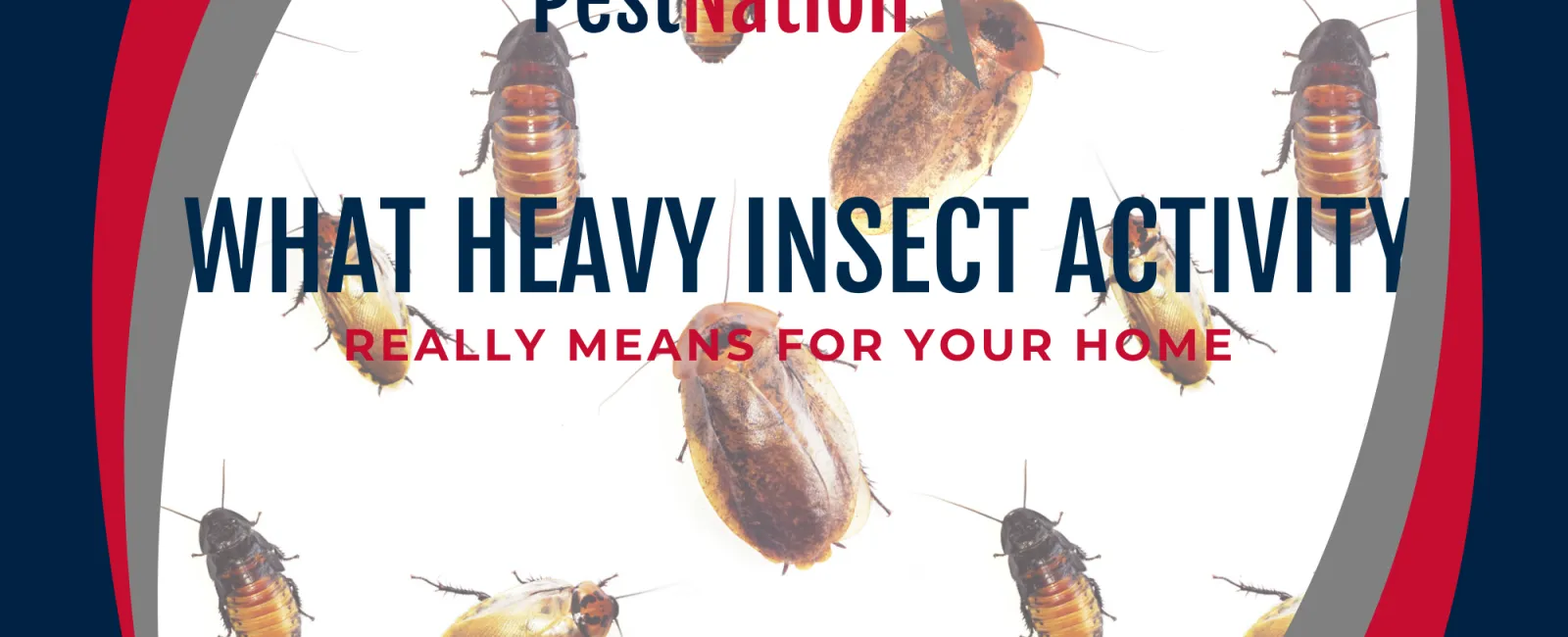
Insect swarms of any kind are alarming to encounter, especially when they emerge from beneath trim, thresholds, siding gaps, or other transition points where materials meet. When activity reaches the level shown in the referenced image, it is rarely a superficial or isolated pest issue. Heavy insect presence typically signals environmental or structural conditions within the home that have allowed the infestation to develop and persist. Moisture intrusion, deteriorating building components, and airflow irregularities often create ideal habitats long before a homeowner notices visible activity. These issues frequently remain hidden until a professional inspection or pest evaluation uncovers what has been occurring behind the scenes.
Many homeowners assume that a swarm is a one-time event. In reality, large-scale insect activity is often a symptom of deeper conditions inside concealed or inaccessible spaces. Cracks, gaps, damp materials, and poorly ventilated areas can all become active harborage points. Infestations tend to build gradually over months or years, particularly in locations where moisture accumulates or materials weaken. Understanding the connection between visible insect behavior and the overall health of the home is essential for making informed decisions about maintenance and remediation.
Why Heavy Insect Activity Matters for Home Health
Insects are attracted to moisture, warmth, organic debris, and protected areas. When large numbers gather near exterior entry points, the surrounding environment is typically providing the resources they need to thrive. While many insects may not directly damage structural components, the conditions attracting them often do. Persistent dampness, deteriorating wood, high humidity, and gaps in the building envelope can all compromise the long-term integrity of the home.
Professionals frequently observe that areas with dense insect activity overlap with zones experiencing elevated moisture levels or material degradation. Soft wood, failing trim, deteriorated subfloor edges, compromised insulation, and weakened siding can all signal deeper issues. Over time, these conditions contribute to structural weakening, energy inefficiency, or additional pest intrusion. In many cases, heavy insect presence is one of the earliest outward indicators that these problems are underway.
Environmental Conditions That Contribute to Infestations
Homes naturally create microenvironments where insects can flourish, particularly when moisture and warmth are present. Common locations include crawlspaces, foundation edges, decking transitions, exterior door thresholds, and gaps behind cladding systems. These microenvironments not only attract insects but also alert professionals to areas that may require corrective action.
Key contributing factors include:
-
Persistent Humidity
Poorly ventilated or enclosed areas retain moisture, creating ideal habitats for insects. -
Structural Gaps and Openings
Cracks around doors, utility penetrations, or siding transitions allow easy access into protected spaces. -
Wet or Deteriorating Materials
Water-damaged wood, insulation, or trim often provide shelter and conditions suitable for colony formation. -
Concealed and Undisturbed Areas
Crawlspaces, attic voids, and siding gaps can harbor insects for extensive periods without detection.
Identifying these contributing conditions is essential to resolving not only the infestation but also the root causes that enable it.
What Heavy Activity Often Indicates
When insects emerge in clusters from concentrated points, it typically suggests a long-established harborage site nearby. Professionals frequently observe swarming behavior near:
-
Exterior Trim and Thresholds
Gaps or deteriorating components may indicate past or ongoing moisture intrusion. -
Foundation Cracks and Openings
Unsealed areas can serve as pest entry points and may indicate structural movement or settling. -
Crawlspace Access Areas
Compromised vapor barriers, loose doors, or unsealed transitions create ideal conditions for colonization. -
Siding and Cladding Separation
Spaces behind siding can trap moisture and provide long-term shelter.
A professional evaluation is necessary to determine why these zones are attracting pests and what conditions require remediation.
Health and Safety Considerations
Heavy infestations can influence air quality, sanitation, and overall indoor environmental conditions. More critically, visible insect activity often signals additional hidden issues, including:
-
Moisture intrusion
-
Material deterioration
-
Compromised insulation
-
Ventilation imbalances
-
Gaps around plumbing, wiring, or ductwork
Addressing only the insect presence—without determining the source—typically results in temporary relief and recurring problems.
Why DIY Pest Methods Often Fail
Most store-bought treatments only affect the insects that are visible. They do not address hidden colonies or the environmental conditions that sustain them. As a result, homeowners who rely solely on DIY methods frequently experience recurring activity. Without identifying and correcting moisture, structural weaknesses, or ventilation imbalances, infestations return.
A professional assessment is the most effective approach for determining the true scope of the problem.
How PestNation Evaluates Pest-Related Conditions
PestNation employs a comprehensive approach to assessing pest activity and the environmental conditions that support it. When heavy insect movement is observed, PestNation evaluates:
-
Moisture levels in affected areas
-
Wood condition and signs of deterioration
-
Foundation gaps and external openings
-
Exterior trim, siding, and cladding conditions
-
Attic and crawlspace environments
-
Plumbing penetrations and seals
-
Airflow patterns and ventilation performance
-
Exterior drainage patterns
This approach ensures that both visible and hidden risk factors are properly identified.
Comprehensive Treatment and Prevention
PestNation specializes in targeted pest treatment and long-term prevention, including:
-
Full pest inspections
-
Insect, rodent, and termite treatment programs
-
Moisture management solutions
-
Preventative maintenance services
-
Interior and exterior pest control
By addressing both the infestation and the underlying environmental conditions, PestNation helps ensure long-term correction rather than temporary relief.
The insect activity shown in the image is more than a moment of discomfort—it serves as a clear warning that environmental or structural conditions inside the home require attention. Heavy insect presence rarely occurs without cause. Instead, it reflects underlying issues that have developed gradually over time. PestNation provides the professional expertise necessary to identify these conditions, eliminate the infestation, and prevent future occurrences.