
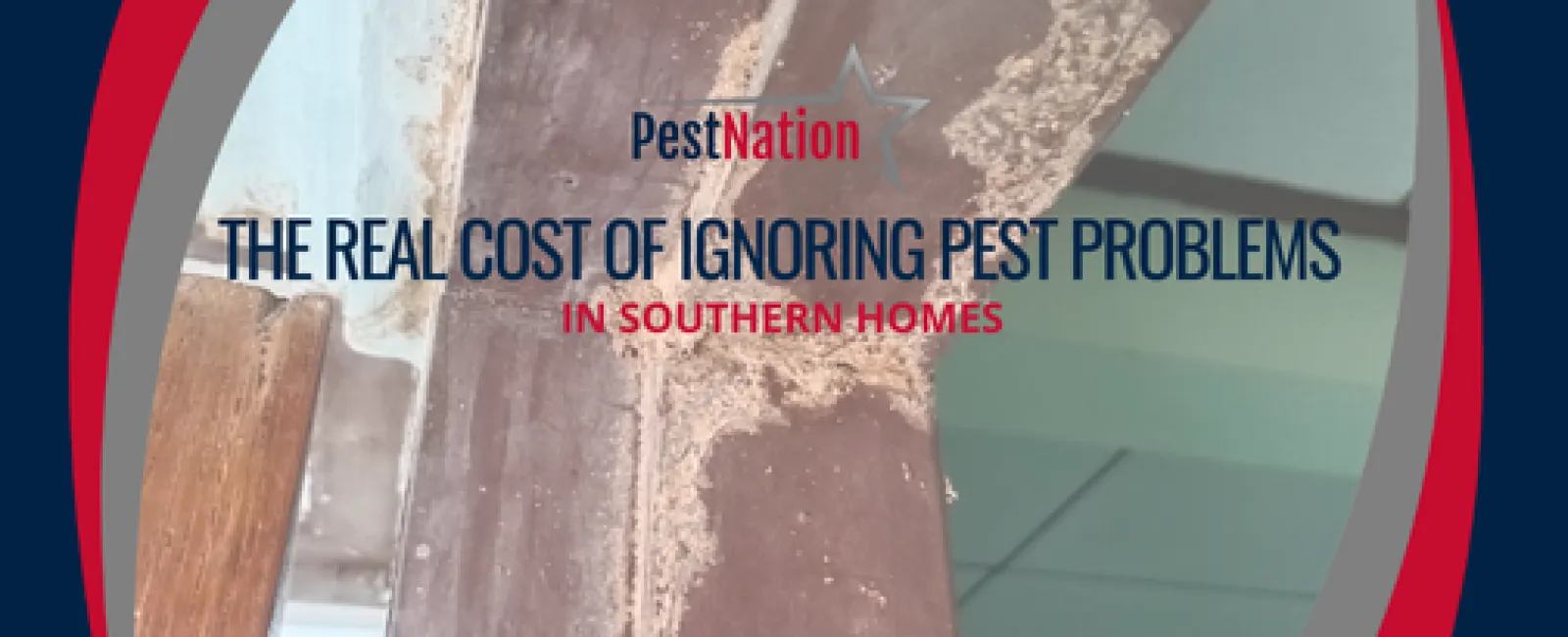
In the southern United States, warm temperatures, high humidity, and long summers create ideal conditions for pests to thrive year-round. From termites and rodents to cockroaches and ants, pests are not just an occasional nuisance in southern homes—they are an ongoing risk. Homeowners in major metro areas such as Atlanta, Charlotte, and coastal regions like Charleston often underestimate how quickly a small pest issue can escalate into a costly and disruptive problem. What starts as a few ants in the kitchen or faint scratching in the walls can turn into widespread structural damage, health concerns, and expensive repairs.
Ignoring pest problems does not make them go away; it almost always makes them worse. The true cost is not limited to what homeowners eventually pay for extermination services. Pest infestation damage can undermine the structural integrity of a home, reduce property value, contaminate living spaces, and pose serious health risks. This article explores the real financial, structural, and personal consequences of delaying professional pest management, while highlighting why proactive solutions—such as PestNation pest inspections and comprehensive interior and exterior pest treatments—are essential for southern homeowners.
Why Southern Homes Are Especially Vulnerable
Southern climates provide pests with ideal breeding conditions. Mild winters allow insects and rodents to remain active throughout the year rather than dying off seasonally. High humidity encourages termites, cockroaches, and mosquitoes, while dense vegetation around many southern homes offers shelter and easy access indoors. Cities like Atlanta, Charlotte, and Charleston are particularly susceptible due to rapid urban growth, older housing stock in some neighborhoods, and proximity to wooded or coastal environments.
Another factor is construction style. Many southern homes feature crawl spaces, wooden framing, and moisture-prone foundations. These elements are highly attractive to termites, carpenter ants, and rodents. Without routine PestNation pest inspections, infestations often go unnoticed until significant pest infestation damage has already occurred. By the time visible signs appear, pests may have been active for months—or even years.
Structural Damage: The Hidden Financial Burden
One of the most expensive consequences of ignoring pest problems is structural damage. Termites alone cause billions of dollars in property damage each year across the United States, with a disproportionate share occurring in the South. These insects feed on cellulose, silently consuming wooden beams, floor joists, and support structures. Homeowners often discover the problem only after floors begin to sag or walls show visible deterioration.
Rodents present a similar risk. Rats and mice chew through insulation, drywall, and even electrical wiring, increasing the risk of fire. Repairing this type of pest infestation damage can involve extensive demolition and reconstruction. In many cases, homeowners insurance does not cover damage caused by pests, leaving property owners to absorb the full cost out of pocket. Compared to these expenses, routine pest control costs for prevention are minimal.
Health Risks and Medical Expenses
Beyond structural issues, pests pose serious health risks. Cockroaches and rodents are known carriers of bacteria such as Salmonella and E. coli. Their droppings, shed skin, and urine can contaminate food preparation areas and trigger allergies or asthma, particularly in children and the elderly. Mosquitoes, prevalent in southern climates, are vectors for diseases such as West Nile virus and dengue fever.
Ignoring infestations can lead to increased medical visits, prescription costs, and missed workdays. These indirect expenses are rarely considered when homeowners delay treatment, yet they represent a significant portion of the real cost. Professional services like Atlanta, Charlotte, Charleston interior and exterior pest treatments help eliminate existing pests while reducing exposure to these health hazards.
Escalating Pest Control Costs Over Time
A common misconception is that postponing pest control saves money. In reality, delayed action almost always leads to higher pest control costs. Early-stage infestations are typically localized and easier to treat. Once pests establish nests, breeding grounds, or colonies, eradication becomes more complex and time-intensive.
For example, a minor ant problem may be resolved with targeted treatments, but an untreated colony can spread throughout walls and foundations, requiring extensive intervention. Termite infestations detected late may require structural fumigation and long-term monitoring. By contrast, routine PestNation pest inspections allow professionals to identify risks early and apply preventive measures before costs escalate.
Impact on Property Value and Resale
Pest infestation damage can significantly reduce a home's market value. Prospective buyers are increasingly cautious, often requesting pest inspections as part of the home-buying process. Evidence of termites, rodents, or chronic infestations can delay sales, lower offers, or cause deals to fall through entirely.
In competitive housing markets like Atlanta and Charlotte, sellers cannot afford these setbacks. Even in historic or coastal markets such as Charleston, where demand remains strong, visible pest damage or a history of infestations can undermine buyer confidence. Investing in professional Charleston pest control services and maintaining documentation of regular treatments can protect long-term property value and simplify future transactions.
Secondary Damage: Moisture, Mold, and Energy Loss
Pests rarely cause damage in isolation. Rodents tearing through insulation reduce a home's energy efficiency, leading to higher utility bills. Termites and carpenter ants often introduce moisture into wooden structures, creating ideal conditions for mold growth. Mold remediation adds another layer of expense and health risk, compounding the effects of pest infestation damage.
These secondary issues illustrate how interconnected home systems are. A single ignored pest problem can trigger a cascade of repairs involving HVAC systems, insulation replacement, and moisture control. Comprehensive solutions like Atlanta, Charlotte, Charleston interior and exterior pest treatments address not only visible pests but also the environmental factors that attract them.
Why Professional Inspections Matter
DIY solutions may offer temporary relief, but they rarely address the root cause of infestations. Over-the-counter sprays and traps are limited in scope and often fail to eliminate nests or breeding sites. Professional PestNation pest inspections provide a thorough assessment of both interior and exterior vulnerabilities, including crawl spaces, attics, foundations, and landscaping.
These inspections are especially valuable in the South, where pests can enter homes through tiny gaps, vents, or moisture-damaged wood. By identifying risk factors early, PestNation helps homeowners implement targeted strategies that prevent long-term damage and reduce overall pest control costs.
Proactive Prevention vs. Reactive Repair
The contrast between proactive prevention and reactive repair is stark. Preventive pest management focuses on exclusion, monitoring, and early intervention. Reactive repair, on the other hand, deals with the aftermath—structural reconstruction, medical treatment, and lost property value.
Homeowners in Atlanta, Charlotte, and Charleston who invest in regular inspections and treatments benefit from predictable costs and peace of mind. Those who ignore early warning signs often face sudden, overwhelming expenses. From a financial perspective, prevention is consistently the more economical choice.
Ignoring pest problems in southern homes carries real and often underestimated costs. What may seem like a minor inconvenience can evolve into extensive pest infestation damage affecting a home's structure, safety, and value. Health risks, escalating pest control costs, and secondary issues such as mold and energy loss further compound the impact. In regions where climate and construction styles favor pests, complacency is a costly mistake.
Professional solutions, including PestNation pest inspections and comprehensive Atlanta, Charlotte, Charleston interior and exterior pest treatments, offer a practical path forward. By addressing infestations early and focusing on prevention, homeowners protect not only their investment but also their quality of life. The real cost of ignoring pests is far greater than the price of proactive care—and in the South, vigilance is not optional; it is essential.