
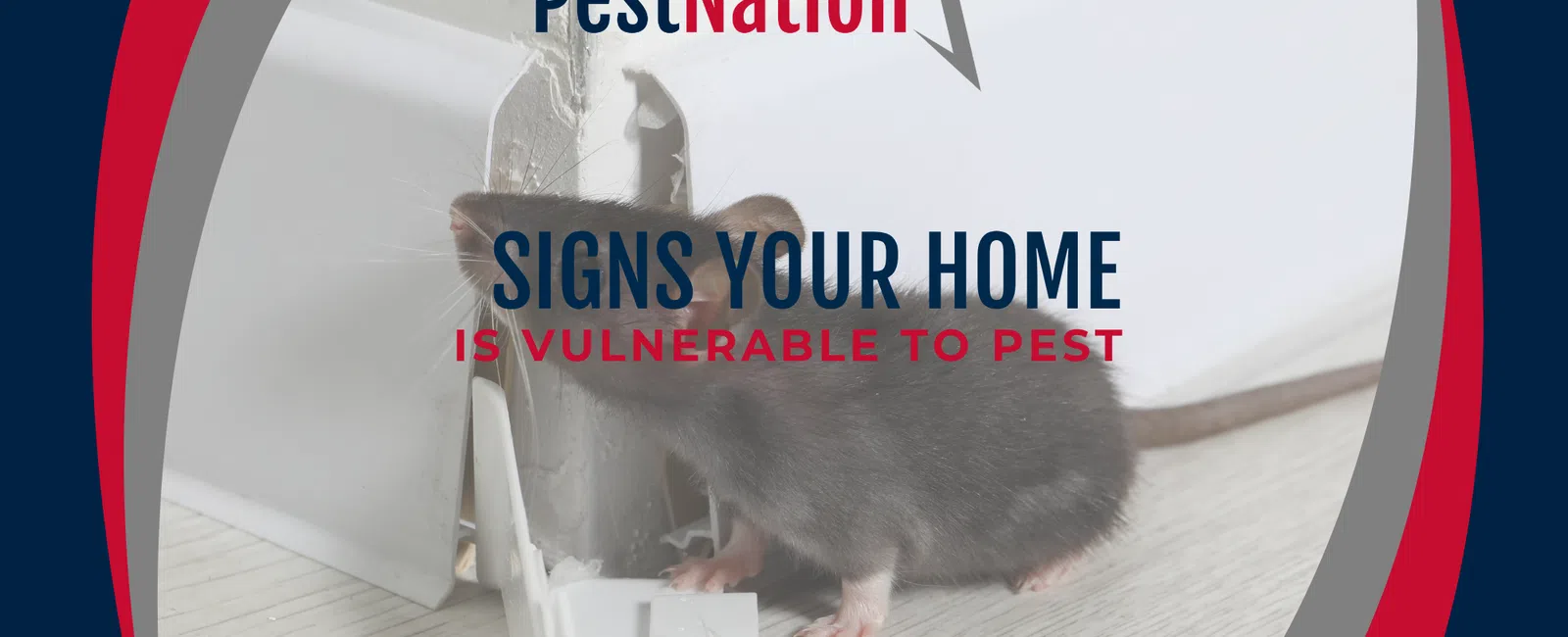
Many homeowners assume that pest infestations happen randomly, but most pest problems begin because a property contains conditions that make it attractive or accessible to unwanted invaders. Whether it is ants finding a gap beneath a door, rodents entering through an attic vent, or cockroaches taking advantage of excess moisture, pests are constantly searching for food, water, and shelter. Throughout the Southeast, including cities like Atlanta and Charlotte, as well as in Orlando and coastal communities that rely on Charleston pest control services, warm temperatures and high humidity create ideal conditions for pests to remain active for much of the year.
The good news is that many infestations are preventable. By recognizing the warning signs that indicate a home is vulnerable, homeowners can take action before pests become established. Identifying pest entry points, correcting environmental conditions, and investing in proactive Pest Prevention strategies can significantly reduce the likelihood of infestations. Through detailed PestNation pest inspections and comprehensive Atlanta, Charlotte, Orlando, and Charleston interior and exterior pest treatments, PestNation helps homeowners identify vulnerabilities and implement effective home pest prevention solutions designed for long-term protection.
A Home Pest Inspection is often one of the most valuable tools available because it helps uncover hidden risks that homeowners may not notice during everyday life. Understanding where pests enter and why they are attracted to certain properties is the first step toward creating a stronger defense against future infestations.
Why Pests Look for Vulnerable Homes
Pests are opportunistic.
They seek properties that provide:
- Easy access
- Food sources
- Water availability
- Shelter
- Breeding opportunities
Even well-maintained homes can become vulnerable if small structural or environmental issues are overlooked.
Common invaders include:
- Ants
- Cockroaches
- Rodents
- Spiders
- Wasps
- Fleas
- Mosquitoes
In Atlanta and Charlotte, seasonal weather changes often influence pest activity. Orlando and Charleston pest control professionals frequently encounter year-round pest pressure due to the region's warmer climate.
Homes that provide easy access or favorable conditions are more likely to experience recurring pest problems.
Visible Pest Entry Points Around Doors and Windows
One of the most common signs of vulnerability involves gaps around doors and windows.
Small openings may seem insignificant, but many pests require very little space to enter.
Common concerns include:
- Worn weatherstripping
- Damaged door sweeps
- Window frame gaps
- Cracked seals
These openings serve as insect entry points for:
- Ants
- Spiders
- Roaches
- Flying insects
They may also become rodent entry points if the gaps are large enough.
Pest proofing these areas is one of the simplest and most effective preventative measures homeowners can take.
Cracks in Foundations and Exterior Walls
Structural cracks often develop over time due to:
- Settling
- Moisture fluctuations
- Temperature changes
Unfortunately, these cracks frequently become pest entry points.
Common invaders include:
- Ants
- Cockroaches
- Centipedes
- Rodents
Even small openings can provide access to interior wall voids and crawl spaces.
Atlanta, Charlotte, Orlando, and Charleston interior and exterior pest treatments often include evaluations of foundation conditions because these areas are frequent sources of pest activity.
Proper exclusion services help reduce these vulnerabilities.
Attic Pest Activity and Roofline Vulnerabilities
Many homeowners rarely inspect their attics, making them attractive environments for pests.
Common attic pest activity includes:
- Rodent nesting
- Insect infestations
- Wasp colonies
- Wildlife intrusion
Potential entry points include:
- Damaged soffits
- Roofline gaps
- Attic vents
- Gable vents
Rodents can enter surprisingly small openings, often gaining access without homeowners realizing it.
PestNation pest inspections frequently identify attic vulnerabilities that contribute to recurring infestations.
Addressing these issues is a key component of home pest prevention.
Crawlspace Pest Issues Often Go Unnoticed
Crawl spaces provide ideal environments for many pests because they offer:
- Darkness
- Moisture
- Shelter
- Limited disturbance
Common crawlspace pest issues include:
- Cockroach activity
- Rodent infestations
- Ant colonies
- Spider populations
- Moisture-related pests
Because homeowners rarely access these areas, infestations may develop undetected.
Regular Home Pest Inspection services help identify crawlspace conditions before problems spread to living areas.
Moisture management is especially important in Southeastern climates.
Excess Moisture Around the Home
Water is one of the strongest attractants for many pests.
Common moisture-related concerns include:
- Leaking pipes
- Standing water
- Poor drainage
- Condensation
- Clogged gutters
These conditions support:
- Cockroaches
- Mosquitoes
- Termites
- Ants
- Moisture-loving insects
In Orlando and Charleston pest control environments, high humidity levels can amplify moisture-related pest activity.
Correcting water issues often reduces pest pressure significantly.
Landscaping That Touches the Home
Landscaping can either protect a home or create opportunities for pests.
Potential problems include:
- Shrubs touching siding
- Tree branches contacting roofs
- Dense ground cover
- Overgrown vegetation
These conditions create bridges that allow pests to move directly onto structures.
Common examples include:
- Ant trails
- Rodent travel routes
- Spider activity
- Stinging insect nesting
Maintaining proper vegetation clearance is an important part of Pest Prevention.
Exterior pest management often begins with landscape evaluations.
Signs of Existing Rodent Entry Points
Rodents can enter through surprisingly small openings.
Common rodent entry points include:
- Utility penetrations
- Garage door gaps
- Roofline openings
- Foundation cracks
- Crawlspace vents
Signs that rodents may already be entering include:
- Droppings
- Gnaw marks
- Grease marks
- Scratching sounds
Because rodents reproduce quickly, early identification is critical.
Exclusion services help prevent minor entry issues from becoming major infestations.
Food Sources That Attract Pests
Pests are constantly searching for reliable food supplies.
Common attractants include:
- Unsealed pantry items
- Pet food
- Garbage containers
- Outdoor food waste
- Bird seed
Even small amounts of food can sustain pest populations.
Ants, cockroaches, rodents, and many other pests thrive when food sources remain easily accessible.
Pest proofing food storage areas is a key part of home pest prevention.
Poorly Maintained Exterior Areas
Exterior conditions often determine how attractive a property is to pests.
Potential risk factors include:
- Wood piles against structures
- Accumulated debris
- Unused equipment
- Cluttered storage areas
These environments provide:
- Shelter
- Nesting opportunities
- Protection from predators
Atlanta, Charlotte, Orlando, and Charleston interior and exterior pest treatments frequently address these conditions because they contribute to long-term pest pressure.
Removing harborage areas helps reduce infestation risks.
Why Regular Home Pest Inspections Matter
Many vulnerabilities are difficult for homeowners to identify on their own.
PestNation pest inspections help uncover:
- Hidden entry points
- Moisture concerns
- Structural vulnerabilities
- Pest activity indicators
- Environmental attractants
A professional Home Pest Inspection provides a comprehensive evaluation of conditions that may support infestations.
Early detection often prevents more costly problems later.
Routine inspections are one of the most effective preventive pest control tools available.
The Role of Exclusion Services
Exclusion services focus on preventing pests from entering the home.
Common exclusion measures include:
- Sealing cracks and gaps
- Installing door sweeps
- Repairing screens
- Protecting vents
- Closing utility penetrations
These improvements help eliminate pest entry points before infestations occur.
Combined with ongoing Pest Prevention efforts, exclusion services provide long-term protection.
Building a Home Pest Prevention Strategy
Effective home pest prevention involves multiple layers of protection.
Key components include:
- Routine inspections
- Moisture management
- Pest proofing
- Landscape maintenance
- Exclusion services
- Preventive pest control programs
When these strategies work together, homeowners significantly reduce the likelihood of infestations.
A proactive approach is often more effective and less costly than responding after pests become established.
Most pest infestations do not occur by chance. They develop because a home provides access, food, moisture, shelter, or a combination of these factors. Gaps around doors, roofline openings, crawlspace pest issues, moisture problems, and unaddressed pest entry points all increase the likelihood of infestation. By identifying vulnerabilities early, homeowners can take meaningful steps toward long-term Pest Prevention and reduce the risks associated with recurring pest activity.
For homeowners in Atlanta and Charlotte, as well as in Orlando and coastal communities served by Charleston pest control professionals, proactive inspections and preventive maintenance are essential. Through detailed PestNation pest inspections and comprehensive Atlanta, Charlotte, Orlando, and Charleston interior and exterior pest treatments, PestNation helps homeowners identify insect entry points, rodent entry points, attic pest activity, crawlspace pest issues, and other vulnerabilities before they become major problems. By combining Home Pest Inspection services, pest proofing, exclusion services, and ongoing home pest prevention strategies, homeowners can create a stronger defense against pests and enjoy greater peace of mind throughout the year.