
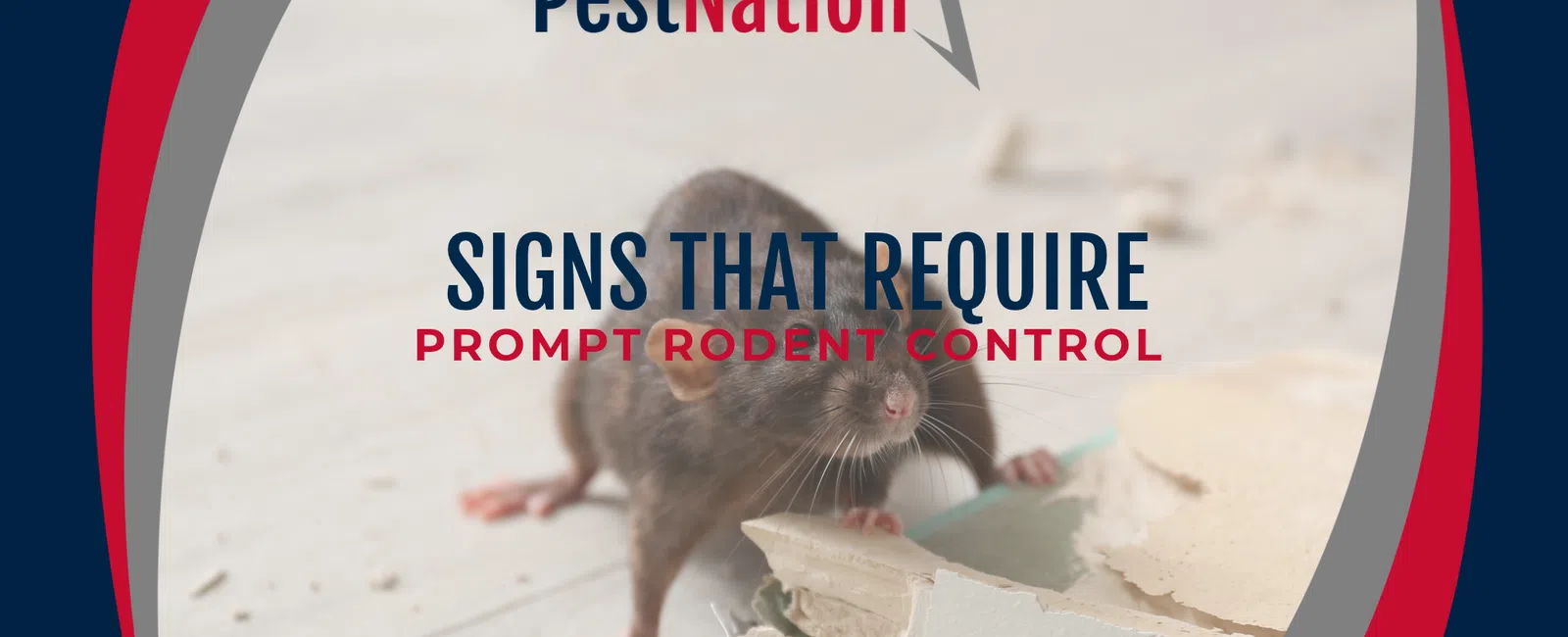
Discovering a mouse in the garage or hearing scratching sounds in the attic can raise concerns for homeowners, especially during fall when changing weather and outdoor conditions may influence rodent movement. While some encounters are isolated, other situations involve repeated sightings, contamination, or damage that deserves more timely attention. Knowing the difference can help homeowners respond appropriately without assuming every rodent sighting represents an emergency.
For homeowners throughout the Southeastern United States, recognizing rodent infestation signs is an important part of maintaining a safe and well-managed property. Emergency rodent control generally refers to situations where prompt professional evaluation may be appropriate, rather than a specific service offered by every pest-control company. Understanding which findings require routine inspection, timely pest management, or immediate assistance from another qualified professional can help homeowners make informed decisions.
Why Rodent Activity May Require Urgent Attention
Not every rodent problem requires the same response.
A single rodent observed outdoors may warrant monitoring and a review of conditions around the property. Repeated sightings inside living spaces, however, may suggest established activity that deserves professional evaluation.
Other findings can require more immediate attention because they involve food storage, frequently occupied areas, suspected property damage, or potential safety hazards.
The CDC - Rodent Control provides guidance on identifying rodent activity and reducing conditions that attract rodents. This information supports evaluating the type, location, and recurrence of evidence rather than relying on one observation to determine the seriousness of a situation.
A useful distinction is that pest activity and immediate safety hazards are not necessarily the same concern. Rodent management addresses the animals and conditions supporting them, while electrical, medical, or specialized contamination concerns may require different professionals.
Why Rodents May Become More Noticeable During Fall
October and November bring changing temperatures, vegetation, and food availability throughout the Southeast.
In some locations, rodents may adjust their movement or shelter preferences as outdoor conditions change. Attics, crawlspaces, garages, and other protected areas can provide accessible shelter when suitable openings exist.
However, rodents remain active throughout the year.
Mice and rats may enter buildings during any season when food, water, shelter, and access are available.
Seasonal patterns also vary geographically. Conditions in Atlanta or Charlotte may differ from those in warmer Orlando or coastal Charleston.
These differences mean homeowners should evaluate actual evidence rather than assume fall automatically produces severe infestations.
When Repeated Rodent Sightings Become Concerning
The circumstances surrounding a rodent sighting can help determine whether further investigation is appropriate.
Seeing one rodent moving through an outdoor area does not necessarily indicate activity inside the home.
Repeated sightings in kitchens, living areas, pantries, or other occupied spaces deserve closer attention.
Frequent sightings across multiple rooms may suggest that rodents have access to more than one area or are moving through concealed spaces.
However, the number of sightings alone cannot reliably determine how many rodents are present.
Likewise, seeing a mouse or rat during daylight does not automatically prove a large infestation.
Species, disturbance, food availability, and environmental conditions can influence when rodents are observed.
Professional inspection helps establish whether sightings are isolated or supported by additional evidence of ongoing activity.
Why Rodent Droppings Deserve Careful Evaluation
Rodent droppings are among the more recognizable signs of activity.
They may be discovered in kitchens, cabinets, pantries, garages, attics, crawlspaces, and storage areas.
Fresh-looking droppings or repeated accumulations after an area has been appropriately cleaned may suggest continued activity.
However, droppings alone do not establish the exact number of rodents present or the full extent of an infestation.
Location matters.
Droppings in a rarely used outdoor storage area may require a different response than extensive contamination in a kitchen cabinet or food preparation area.
When droppings are found in frequently occupied spaces, homeowners should avoid unnecessary contact and consider appropriate cleanup precautions.
Safe Handling of Rodent Droppings and Contaminated Materials
Rodent droppings, urine, and nesting materials should not be disturbed without appropriate precautions.
The CDC - Clean Up After Rodents recommends avoiding sweeping or vacuuming dry rodent waste because these activities can disturb contaminated particles. CDC guidance also addresses appropriate ventilation, disinfectant use, and safe cleanup procedures.
For accessible areas where routine cleanup is appropriate, homeowners should follow current public-health recommendations and product instructions.
Substantial contamination, inaccessible spaces, or situations involving extensive affected materials may require a qualified professional cleanup or remediation provider.
The CDC - Preventing Hantavirus provides additional information about reducing exposure to infected rodents and contaminated materials. These precautions are relevant to safe handling practices but do not mean every rodent infestation involves hantavirus or presents the same health risks.
Pest-control services should not automatically be assumed to include specialized contamination remediation.
When Rodents Are Found Near Food Storage Areas
Rodent activity in kitchens, pantries, or food-storage areas deserves timely attention because these locations contain materials intended for consumption.
Rodents may contaminate accessible food, packaging, and preparation surfaces through droppings, urine, gnawing, or direct contact.
Damaged food packaging or visible evidence of contamination should not be ignored.
Food known to be contaminated by rodents should not be consumed. Appropriate disposal and sanitation may be necessary depending on the affected products and surfaces.
Homeowners should also examine nearby accessible food storage areas for additional evidence.
Finding rodent activity around food does not automatically establish that every product is contaminated. However, it provides a reason to evaluate affected materials carefully and arrange professional pest assessment when ongoing activity is suspected.
Why Gnawing Damage May Require Prompt Investigation
Mice and rats naturally gnaw on a variety of materials.
Evidence may appear on cardboard, stored belongings, wood, plastic, insulation, and accessible building components.
Gnaw marks can help identify locations where rodents have been active, but they do not independently establish the extent of property damage.
The UC IPM - Rats discusses rat behavior, gnawing, damage, and management considerations. This information helps explain why recurring gnawing evidence may justify professional investigation, particularly when activity occurs around protected building areas or utility components.
Homeowners should pay attention to repeated damage or gnawing near materials that serve important building functions.
Suspected damage to electrical, HVAC, plumbing, or other building systems may require evaluation by the appropriate qualified professional.
When Rodent Activity Near Electrical Wiring Is Urgent
Rodents may encounter accessible wiring in attics, crawlspaces, garages, and utility areas.
Their gnawing behavior can sometimes damage protective cable coverings or wire insulation.
This does not mean every rodent infestation causes electrical damage, but suspected compromised wiring deserves timely professional attention.
A pest-control technician may identify evidence of rodents near wiring. However, pest-control professionals do not replace qualified electricians and should not be expected to perform electrical testing or repairs.
If damaged wiring is suspected, a qualified electrician should assess the condition and determine whether repairs are necessary.
Sparking, smoke, burning odors, or other indications of an immediate electrical hazard require an appropriate safety response rather than waiting for a routine pest-control appointment.
Homeowners should avoid touching damaged wiring, opening electrical equipment, or attempting electrical repairs themselves. Emergency services or qualified electrical professionals should be contacted when circumstances warrant.
Scratching Sounds and Activity in Concealed Spaces
Scratching, movement, or unusual noises in walls, ceilings, and attics may prompt homeowners to suspect rodents.
However, noises alone do not confirm their presence.
Other wildlife, mechanical equipment, and normal building conditions can produce sounds that resemble animal movement.
Additional evidence such as droppings, nesting materials, rub marks, tracks, or gnawed openings may help clarify the situation.
Recurring noises accompanied by visible rodent evidence may justify professional inspection.
Homeowners should avoid entering unsafe attics, crawlspaces, or confined areas to investigate activity themselves.
These spaces may contain electrical hazards, difficult access conditions, insulation, or suspected contaminated materials.
Professional evaluation can help identify visible evidence without requiring homeowners to disturb potentially unsafe areas.
How Rodent Species Influence Inspection Priorities
Correct identification can help professionals determine where to concentrate inspection efforts.
Roof rats are capable climbers commonly associated with elevated routes, trees, rooflines, and attic spaces.
Norway rats are often associated with ground-level activity, burrows, and sheltered areas near foundations.
House mice may use relatively small structural openings to enter garages, storage areas, and protected interior spaces.
These are general behavioral tendencies rather than definitive indicators of species or infestation severity.
For example, a rodent discovered in an attic is not automatically a roof rat.
Species identification, physical evidence, and property conditions should be evaluated together before selecting management strategies.
Why Recurring Activity After Treatment Needs Reassessment
Homeowners may become concerned when rodents reappear after previous management efforts.
Recurring sightings do not automatically mean the earlier service was performed incorrectly.
Activity may continue when structural openings remain accessible, food sources are available, or rodents are using areas that were not previously identified.
Changes in surrounding conditions may also influence movement around the property.
A professional reassessment can help identify whether additional access points, nesting locations, or environmental conditions deserve attention.
Monitoring results and inspection findings can guide adjustments to the management approach.
This is particularly useful when rodent activity appears persistent, widespread, or difficult to locate.
What Professional Rodent Inspections Can Identify
A professional rodent inspection may evaluate visible droppings, gnaw marks, nesting materials, rub marks, potential entry points, and environmental conditions.
Depending on accessibility, technicians may inspect attics, crawlspaces, garages, foundations, rooflines, and other relevant areas.
Inspectors should distinguish confirmed evidence of rodent activity from possible entry routes or unverified damage.
For example, an opening around a utility penetration may represent potential access without proving rodents are using it.
Similarly, damaged insulation may warrant further investigation without establishing that rodents caused the damage.
PestNation Pest Inspections can help homeowners understand the evidence and determine whether additional rodent management or evaluation by another qualified professional is appropriate.
How Integrated Pest Management Addresses Urgent Rodent Concerns
Integrated Pest Management combines identification, inspection, monitoring, prevention, and appropriate control strategies.
For rodents, this may involve evaluating food sources, sanitation, structural access, shelter conditions, and ongoing activity.
Professional Rodent Control may include species identification, monitoring, exclusion planning, sanitation recommendations, and appropriate management methods.
Pest Exclusion can help reduce opportunities for additional rodents to enter through structural openings.
However, exclusion should be coordinated with management of rodents already inside a building rather than indiscriminately sealing suspected openings.
Using traps or rodenticides without understanding activity patterns and access conditions may not resolve the underlying problem.
The U.S. EPA - Rodenticides provides information about rodent-control products and safety considerations. Homeowners should follow product labeling and applicable safety guidance, particularly where children, pets, or other occupants may be exposed.
What Homeowners Can Do While Awaiting Professional Evaluation
When rodent activity is suspected, homeowners can take practical precautions without attempting unsafe repairs or disturbing contaminated materials.
Useful steps include:
- Protecting accessible food and securing food-storage containers.
- Documenting sightings, locations, and approximate times.
- Avoiding unnecessary contact with droppings, urine, or nesting materials.
- Keeping children and pets away from areas with suspected contamination or hazards.
- Avoiding direct handling of live, aggressive, or distressed rodents.
- Leaving suspected electrical damage to qualified electricians.
Homeowners should not attempt to capture or handle potentially aggressive rodents without appropriate expertise.
If a bite or other direct exposure occurs, an appropriate healthcare professional can advise on necessary medical evaluation.
These precautions do not replace professional pest management, but they can help homeowners respond responsibly while the situation is being assessed.
Choosing the Appropriate Professional Response
The appropriate response depends on the concern identified.
Routine pest inspection may be suitable for an isolated sighting, suspected entry point, or uncertain evidence without immediate safety concerns.
Prompt pest-control evaluation may be appropriate when rodents are repeatedly observed indoors, droppings recur in occupied areas, food storage is affected, or suspected nesting and gnawing continue.
Qualified trade or remediation evaluation may be needed when suspected rodent damage involves electrical wiring, HVAC equipment, insulation, or substantial contamination.
Emergency assistance may be necessary when there are immediate hazards such as smoke, sparking, fire, or another urgent safety condition.
The term emergency rodent control should not be interpreted as a guarantee that a pest-control company offers 24-hour service or immediate appointments.
PestNation does not represent routine rodent management as a substitute for emergency electrical services, medical care, or specialized remediation.
Rodent Concerns Across PestNation's Southeastern Markets
Fall conditions vary throughout PestNation's service areas.
In Atlanta Pest Control and Charlotte Pest Control markets, seasonal cooling and changes in outdoor shelter may influence rodent movement.
In Orlando Pest Control and Charleston Pest Control markets, warmer or coastal conditions may contribute to different activity patterns.
Regardless of location, repeated evidence inside a home deserves evaluation based on the actual circumstances rather than assumptions about seasonal infestation rates.
PestNation's Residential Pest Control, Rodent Control, Pest Exclusion, and Pest Prevention Services can support property-specific rodent management.
Homeowners experiencing recurring activity can inquire about inspection availability and the appropriate service scope without assuming immediate or after-hours appointments are guaranteed.
Recognizing When Rodent Activity Needs Attention
Rodent activity during fall can range from an isolated outdoor sighting to recurring evidence inside occupied areas. Not every encounter represents an emergency, and the number of rodents observed does not reliably establish infestation severity. However, repeated indoor sightings, recurring droppings, food-storage contamination, and suspected damage to important building components may warrant timely professional evaluation.
Recognizing these differences helps homeowners respond according to the nature of the concern. Pest-control professionals address rodent activity and contributing conditions, while electricians, remediation specialists, healthcare professionals, or emergency responders may be needed for separate safety issues.
Understanding rodent infestation signs also helps homeowners avoid unnecessary assumptions. Professional inspection can clarify whether evidence suggests ongoing activity, identify possible access points, and guide appropriate management recommendations.
For homeowners throughout PestNation's Southeastern service areas, seeking emergency rodent control guidance means determining how promptly the situation should be evaluated and which qualified professional should be involved. PestNation's inspection and rodent-management services can help address pest-related concerns through informed assessment, prevention, and appropriate control strategies without promising immediate response times or guaranteed elimination of future activity.