
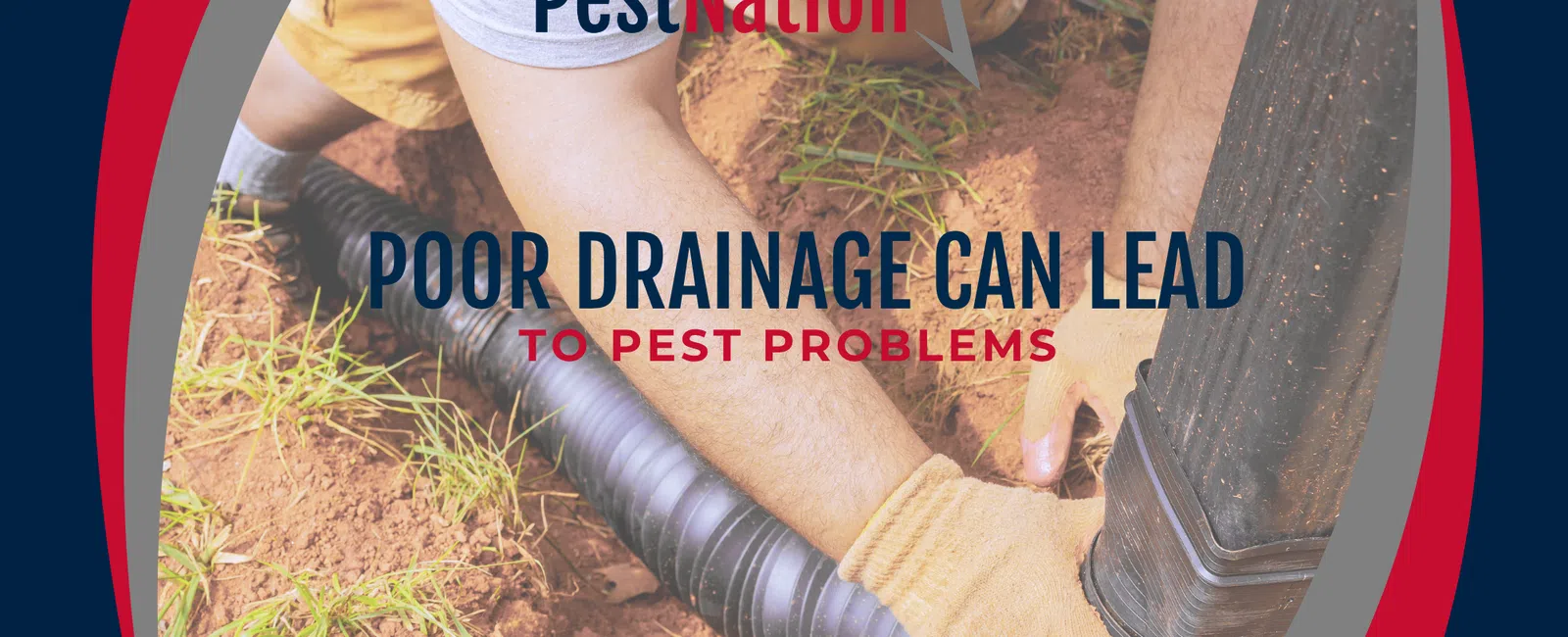
Water is essential for maintaining a healthy landscape, but when it is not properly managed, it can quickly become one of the biggest contributors to household pest activity. Poor drainage around a home creates damp soil, standing water, saturated landscaping, and excessive moisture near the foundation—all of which attract a wide variety of insects and rodents. While many homeowners focus on sealing cracks or treating visible pests, drainage issues often remain the underlying cause of recurring infestations.
In the Southeast, where heavy rain, humid weather, and frequent storms are common, drainage-related pest issues can develop throughout the year. Water that pools around foundations, collects in landscaping, or remains trapped in low-lying areas creates ideal conditions for termites, mosquitoes, cockroaches, ants, rodents, and other pests. Through comprehensive PestNation pest inspections and customized Atlanta interior and exterior pest treatments, Charlotte interior and exterior pest treatments, Orlando interior and exterior pest treatments, and Charleston interior and exterior pest treatments, PestNation helps homeowners identify drainage concerns before they lead to larger infestations or structural problems.
Proper drainage is about more than protecting a home's foundation—it is also one of the most effective forms of Preventative Pest Control. Understanding how drainage pest problems develop and how they influence pest behavior allows homeowners to take proactive steps that reduce infestations while improving the overall health of their property.
Why Drainage Matters for Pest Prevention
Water naturally flows across every property, but when grading, gutters, downspouts, or landscaping fail to direct water away from the home, moisture begins to accumulate.
Poor drainage commonly causes:
- Standing water
- Saturated soil
- Foundation moisture
- Wet crawlspaces
- Damp mulch beds
- Erosion around the home
These conditions support many pests by providing consistent access to water, shelter, and favorable nesting environments.
Effective Moisture Control starts with directing water away from the home's structure before it becomes a long-term pest issue.
Standing Water Encourages Mosquitoes
Mosquitoes are among the first pests to benefit from poor drainage.
Female mosquitoes require only a small amount of standing water to lay eggs.
Common breeding locations include:
- Low spots in the yard
- Clogged gutters
- Birdbaths
- Decorative planters
- Children's toys
- Buckets
- Drainage swales that remain wet
Even after rainfall ends, standing water can continue supporting mosquito populations for days.
Eliminating these water sources is one of the most effective forms of moisture pest control.
Wet Soil Attracts Termites
Subterranean termites require moisture to survive.
Homes with drainage problems often experience:
- Constantly damp soil
- Excess foundation moisture
- Wood-to-soil contact
- Increased humidity in crawlspaces
These conditions allow termite colonies to thrive while making it easier for termites to locate structural wood.
Routine PestNation pest inspections frequently identify drainage issues that increase termite risk long before homeowners notice visible damage.
Cockroaches Thrive in Damp Environments
Cockroaches seek moisture as much as food.
Poor drainage often creates damp conditions around:
- Foundations
- Crawlspaces
- Utility rooms
- Exterior walls
- Landscaping
American cockroaches and smokybrown cockroaches commonly begin outdoors before moving indoors through foundation cracks and utility penetrations.
Addressing drainage pest problems helps reduce the moisture conditions that support growing cockroach populations.
Ant Colonies Prefer Moist Soil
Many ant species establish nests in damp soil where moisture remains readily available.
Poor drainage around the home creates attractive nesting conditions for:
- Argentine ants
- Odorous house ants
- Fire ants
- Carpenter ants
Once colonies become established near the foundation, worker ants often discover pathways into kitchens, bathrooms, and other living spaces.
Combining moisture pest control with professional Pest Control helps reduce both nesting sites and indoor activity.
Rodents Need Reliable Water Sources
Rodents require access to water every day.
Poor drainage increases rodent activity by providing:
- Puddles
- Damp vegetation
- Irrigation runoff
- Leaking downspouts
While rodents typically build nests in dry areas, they often establish themselves near dependable water sources.
Correcting drainage issues removes one of the essential resources rodents need to survive.
Crawlspace Moisture Creates Ideal Conditions
Poor exterior drainage frequently leads to crawlspace moisture.
Water may enter because of:
- Improper grading
- Foundation seepage
- Overflowing gutters
- Downspouts discharging too close to the home
Damp crawlspaces attract:
- Cockroaches
- Termites
- Carpenter ants
- Silverfish
- Earwigs
- Millipedes
Routine inspections help identify crawlspace moisture before infestations spread throughout the home.
Foundation Moisture Increases Pest Entry
When water repeatedly accumulates around a foundation, building materials may begin to deteriorate.
Moisture can contribute to:
- Foundation cracks
- Damaged sealants
- Wood rot
- Soil movement
These structural changes create additional entry points for insects and rodents.
Maintaining proper drainage protects both the foundation and the home's pest barrier.
Landscaping Can Worsen Drainage Problems
Certain landscaping choices contribute to poor drainage.
Examples include:
- Excessive mulch
- Dense groundcover
- Improper grading
- Overwatered planting beds
- Blocked drainage paths
While attractive landscaping improves curb appeal, it should also allow water to drain efficiently away from the structure.
Landscape maintenance is an important part of Residential Pest Control.
Gutters and Downspouts Play a Major Role
A properly functioning gutter system directs rainwater safely away from the home.
Problems develop when gutters become:
- Clogged
- Sagging
- Damaged
- Overflowing
Similarly, downspouts that discharge water too close to the foundation allow moisture to collect exactly where homeowners want it least.
Regular gutter maintenance supports both Moisture Control and long-term pest prevention.
Seasonal Rainfall Changes Pest Activity
Throughout the Southeast, seasonal weather influences drainage conditions.
Spring
- Frequent rain increases soil moisture.
- Mosquito breeding begins.
- Termite swarms occur.
Summer
- Afternoon storms create standing water.
- Humidity supports cockroaches and ants.
Fall
- Falling leaves clog gutters.
- Drainage slows.
Winter
- Wet soil remains around foundations.
- Rodents continue searching for shelter near moisture sources.
Seasonal maintenance helps minimize drainage-related pest pressure throughout the year.
Signs Your Property Has Drainage Pest Problems
Homeowners should watch for:
- Standing water after rain
- Damp crawlspaces
- Soil erosion
- Wet mulch beds
- Foundation moisture
- Increased mosquito activity
- Cockroaches outdoors
- Ant colonies near the foundation
Recognizing these warning signs early allows drainage corrections before larger infestations develop.
Drainage Improvements That Help Prevent Pests
Simple improvements can significantly reduce moisture-related pest activity.
Recommended measures include:
- Clean gutters regularly.
- Extend downspouts away from the foundation.
- Improve grading around the home.
- Fill low areas that collect water.
- Repair leaking irrigation systems.
- Avoid excessive watering.
- Install drainage solutions where necessary.
These improvements strengthen moisture pest control while protecting the home's structural components.
Why Professional Pest Inspections Matter
Many drainage-related pest problems begin outside the home and remain unnoticed until insects or rodents move indoors.
PestNation pest inspections evaluate:
- Foundation moisture
- Crawlspaces
- Landscape drainage
- Standing water
- Structural entry points
- Moisture conditions
- Pest activity
- Conditions conducive to infestation
Professional evaluations help homeowners identify both active pest issues and the environmental conditions supporting them.
Combining Drainage Repairs With Professional Pest Control
The most effective pest management strategy addresses both pests and the conditions that attract them.
Professional Pest Control programs often include:
- Exterior inspections
- Interior evaluations
- Moisture assessments
- Perimeter treatments
- Seasonal monitoring
- Prevention recommendations
Atlanta pest control, Charlotte pest control, Orlando pest control, and Charleston pest control professionals understand that correcting drainage pest problems often produces longer-lasting results than treatment alone because it removes one of the primary resources pests need to survive.
Poor drainage around a home creates much more than muddy lawns and foundation concerns—it establishes the moisture conditions that allow many household pests to thrive. Standing water, saturated soil, damp crawlspaces, clogged gutters, and improper grading all contribute to increased activity from mosquitoes, termites, ants, cockroaches, rodents, and other pests. Addressing these conditions early is one of the most effective ways to reduce recurring infestations while protecting both the home and its surrounding landscape.
For homeowners looking for dependable Atlanta pest control, Charlotte pest control, Orlando pest control, or Charleston pest control, proper drainage should be an important part of every pest management plan. Through comprehensive PestNation pest inspections and customized Atlanta interior and exterior pest treatments, Charlotte interior and exterior pest treatments, Orlando interior and exterior pest treatments, and Charleston interior and exterior pest treatments, PestNation helps homeowners identify hidden drainage concerns while providing professional Pest Control solutions focused on Moisture Control, Preventative Pest Control, Residential Pest Control, and long-term moisture pest control. By combining routine maintenance, drainage improvements, and proactive inspections, homeowners can create a healthier property that is far less attractive to unwanted pests throughout the year.