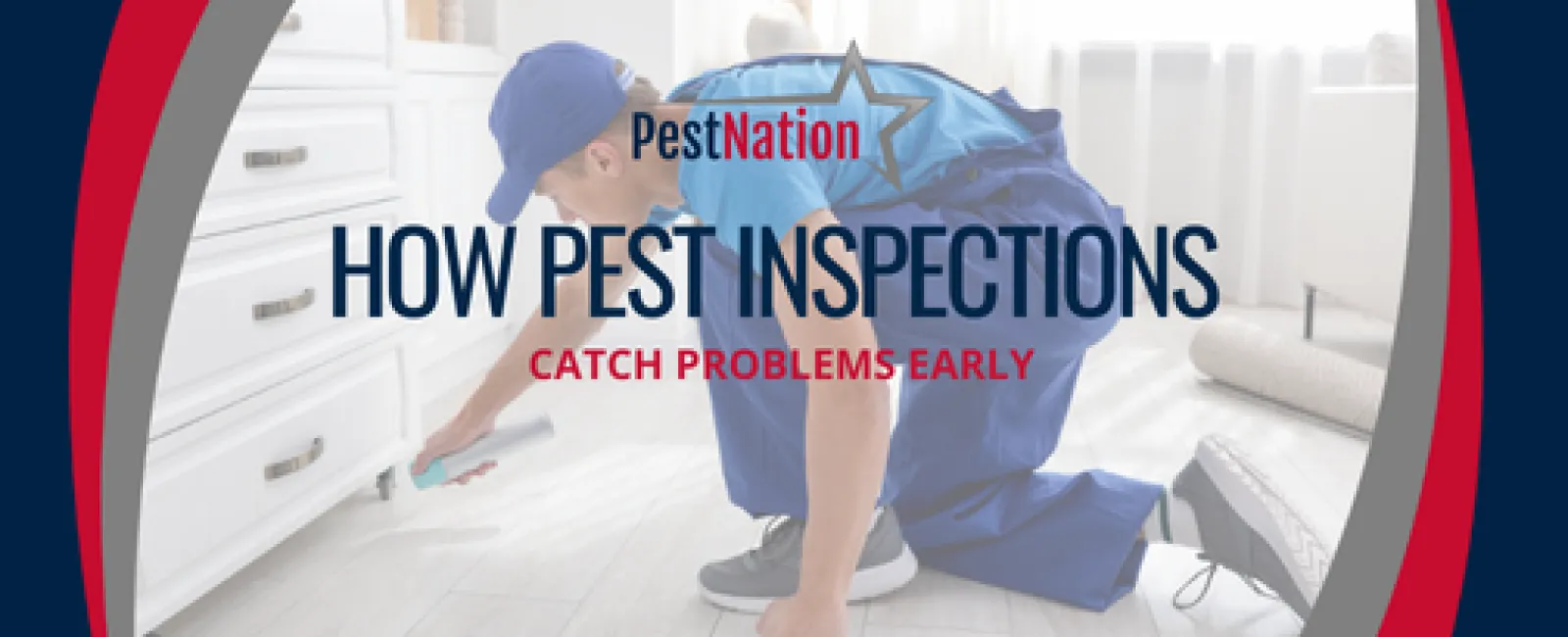
A pest infestation rarely begins with a dramatic event. In most cases, it starts quietly—one ant trail behind a baseboard, a faint scratching sound in the wall, or subtle moisture damage hidden beneath a sink. By the time pests are clearly visible, the problem has often progressed well beyond the early stages. This is where a professional pest inspection plays a critical role. Rather than reacting to a full-scale infestation, inspections are designed to identify warning signs early, when corrective action is faster, less invasive, and more cost-effective.
For homeowners and businesses in Atlanta, Charlotte, and surrounding areas, routine pest inspections are an essential part of long-term property protection. Climate conditions across the Southeast support year-round pest activity, making early detection especially important. Providers like PestNation use systematic inspection processes to uncover hidden vulnerabilities, active infestations, and environmental conditions that attract pests. This article explains how pest inspections work, what professionals look for, and why early detection is a cornerstone of effective pest prevention.
What Is a Pest Inspection?
A pest inspection is a structured evaluation of a property to identify current pest activity, potential entry points, and conditions that may lead to future infestations. Unlike reactive treatments that focus only on visible pests, inspections take a broader view of the structure and its surrounding environment.
During a pest inspection, trained professionals examine both the interior and exterior of a property. This includes living spaces, utility areas, structural components, and outdoor transition zones. PestNation pest inspections are designed to detect pests at all stages of development, from early nesting activity to established colonies that have not yet surfaced.
The goal is not only to identify pests, but to understand why they are present. This diagnostic approach allows for targeted Atlanta, Charlotte, Charleston interior and exterior pest treatments that address root causes rather than symptoms.
Why Early Detection Matters
Catching pest problems early significantly reduces the risk of structural damage, health concerns, and costly repairs. Many pests cause the most harm long before they are noticed. Termites, for example, can compromise wood structures silently, while rodents may chew wiring and insulation out of sight.
Early-stage infestations are also easier to control. A localized issue can often be resolved with minimal treatment, whereas widespread infestations may require repeated services and extensive exclusion work. Pest inspections help shift pest control from a reactive model to a proactive pest prevention strategy.
In markets like Atlanta and Charlotte, where seasonal changes drive pests indoors, early detection can prevent predictable infestations before peak activity periods begin.
Key Areas Examined During a Pest Inspection
Interior Living Spaces
Interior inspections focus on areas where pests commonly feed, travel, or nest. This includes kitchens, bathrooms, laundry rooms, and storage areas. Inspectors look for droppings, shed skins, grease marks, and signs of moisture that attract pests.
Wall voids, baseboards, cabinets, and appliance gaps receive special attention. These hidden spaces are often overlooked by homeowners but frequently serve as pest highways. PestNation pest inspections use experience and tools to identify subtle indicators that suggest early infestation.
Structural Components
Structural elements such as attics, crawl spaces, basements, and wall framing are critical inspection points. These areas provide shelter, nesting material, and stable temperatures for pests.
In Charleston pest control service areas, crawl spaces are particularly important due to higher humidity levels. Inspectors evaluate ventilation, moisture control, and soil contact—factors that directly influence pest activity.
Exterior Perimeter
A comprehensive pest inspection always includes the exterior of the property. Inspectors examine foundations, siding, roofing, windows, doors, and utility penetrations for entry points.
Outdoor factors such as vegetation, standing water, mulch placement, and drainage patterns are also assessed. Many infestations originate outside and migrate indoors. Identifying these risks early supports effective pest prevention through targeted exterior treatments.
Common Problems Pest Inspections Catch Early
Minor Entry Points
Small cracks, gaps, and openings are often the first signs of vulnerability. While they may seem insignificant, these entry points allow ants, cockroaches, rodents, and other pests to access the structure.
Pest inspections identify these openings before pests fully exploit them. Sealing entry points is a foundational element of Atlanta, Charlotte, Charleston interior and exterior pest treatments and a key component of long-term pest prevention.
Moisture Issues
Moisture is one of the strongest pest attractants. Leaking pipes, condensation, poor drainage, and inadequate ventilation create ideal conditions for insects and rodents.
During a pest inspection, professionals look for signs of excess moisture and water damage. Addressing these issues early reduces the likelihood of infestations and supports a healthier indoor environment.
Early Nesting Activity
Pests often establish nests in hidden areas long before populations grow large enough to be noticed. Rodents may begin nesting in insulation, while insects lay eggs behind walls or under flooring.
PestNation pest inspections are designed to detect nesting materials, tracks, and early population indicators. Early intervention prevents these nests from developing into full infestations.
The Role of Pest Inspections in Pest Prevention
Pest prevention is most effective when it is proactive rather than reactive. Pest inspections provide the information needed to implement targeted prevention strategies that address specific risks unique to a property.
Rather than applying generalized treatments, inspections allow professionals to customize solutions based on building design, environmental conditions, and pest pressure. This approach reduces unnecessary chemical use and improves long-term outcomes.
For property owners in Atlanta and Charlotte, routine inspections help anticipate seasonal pest trends and adjust prevention measures accordingly.
How Inspections Guide Targeted Treatments
One of the primary benefits of a pest inspection is the ability to guide precise treatment plans. Instead of treating an entire property blindly, professionals can focus on high-risk areas identified during the inspection.
This leads to more effective Atlanta, Charlotte, Charleston interior and exterior pest treatments that disrupt pest activity at its source. Treatments may include exclusion work, habitat modification, targeted applications, or monitoring systems.
PestNation emphasizes inspection-driven treatment as a best practice in professional pest control, ensuring resources are used efficiently and responsibly.
Frequency of Pest Inspections
The ideal frequency of pest inspections depends on several factors, including property type, location, history of pest activity, and surrounding environment. In general, annual inspections are recommended for most residential properties.
Homes in high-risk areas—such as those with dense vegetation, older construction, or previous infestations—may benefit from more frequent inspections. Commercial properties often require scheduled inspections to meet regulatory and operational requirements.
Consistent inspections support ongoing pest prevention and reduce the likelihood of unexpected infestations.
Pest Inspections for New and Existing Homes
Pest inspections are valuable for both new and existing homes. New construction may have vulnerabilities related to soil disturbance, landscaping, or incomplete sealing. Existing homes may develop issues over time due to settling, wear, and environmental changes.
In real estate transactions, pest inspections provide buyers with insight into potential risks and maintenance needs. For homeowners, routine inspections help protect long-term property value and structural integrity.
PestNation pest inspections are designed to adapt to different property types and stages of occupancy.
Professional Expertise Matters
While homeowners can spot obvious signs of pests, professional inspections offer a level of detail and expertise that is difficult to replicate. Trained inspectors understand pest behavior, life cycles, and environmental indicators that signal early problems.
They also have access to specialized tools and industry knowledge that support accurate assessments. This expertise is particularly valuable in complex environments like multi-level homes or mixed-use properties.
For Charleston pest control and surrounding service areas, professional inspections are a critical first step in effective pest management.
Pest problems rarely appear overnight. They develop gradually, often hidden behind walls, beneath floors, or outside the immediate view of occupants. A professional pest inspection brings these hidden issues to light, allowing action to be taken before damage and disruption occur. By identifying entry points, moisture problems, and early pest activity, inspections form the foundation of proactive pest prevention.
For homeowners and businesses in Atlanta, Charlotte, and Charleston, partnering with a professional provider like PestNation ensures inspections are thorough, accurate, and actionable. PestNation pest inspections support targeted interior and exterior pest treatments that address current risks while preventing future infestations.
Ultimately, early detection saves time, money, and stress. Regular pest inspections transform pest control from a reactive response into a strategic, preventative process—protecting properties and occupants long before pests become a visible problem.