
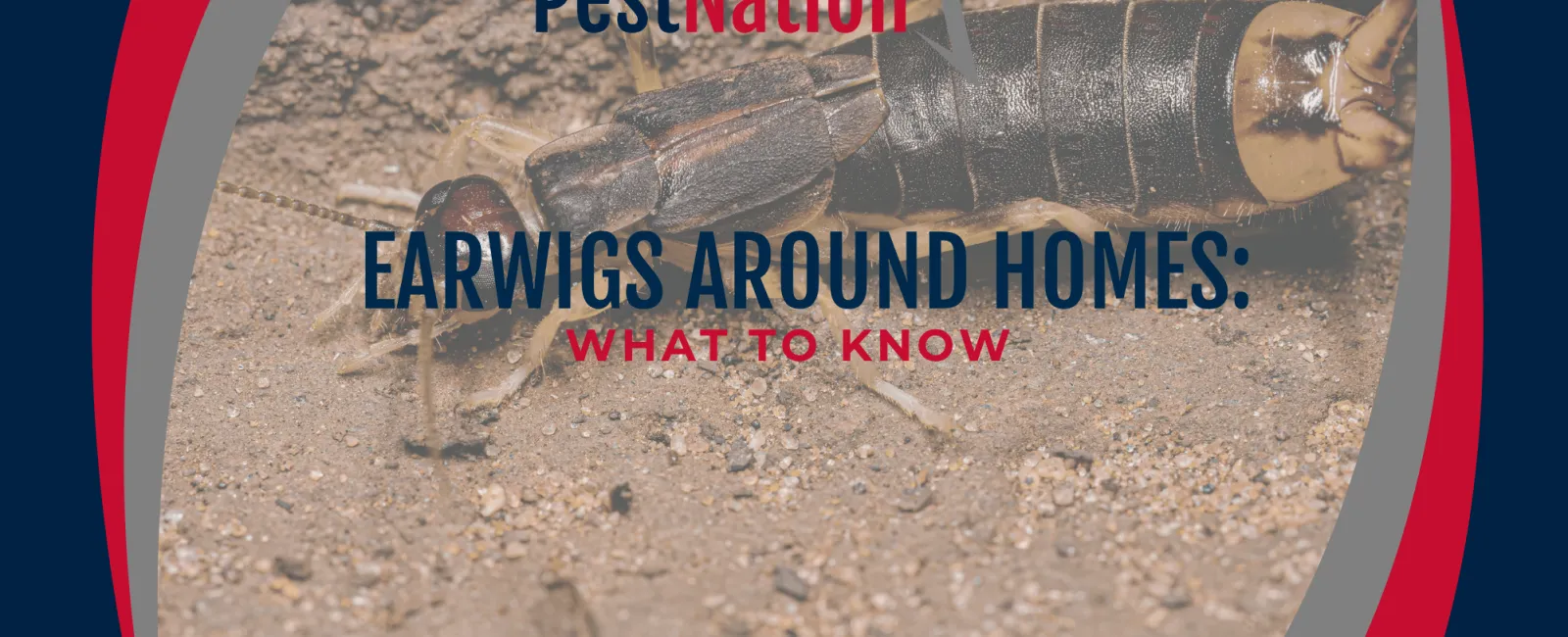
For many homeowners, discovering a cluster of insects around the exterior of their home can be both surprising and concerning. Among the pests commonly encountered in these situations are earwigs—small, elongated insects often recognized by their distinctive pincers. While earwigs are not typically harmful to humans, their presence in large numbers can indicate environmental conditions that may also attract other pests.
During a recent inspection, Licensed Technician Trey W. observed a significant number of earwigs gathered near a home's exterior. Situations like this are not uncommon, especially in the Southeastern United States, where warm temperatures and humidity create ideal conditions for many types of insects. While earwigs themselves are often considered nuisance pests, their presence can provide important insight into moisture levels, shelter availability, and overall pest activity around a property.
Understanding why earwigs gather in certain areas, what conditions attract them, and how to reduce their presence can help homeowners maintain a cleaner and more controlled environment. Professional services such as Southeastern Pest Inspections play an important role in identifying these conditions and helping homeowners take proactive steps toward effective pest control.
What Are Earwigs?
Earwigs are small insects typically measuring between one-half to one inch in length. They are characterized by their flat bodies and the pair of pincers, known as cerci, located at the end of their abdomen.
Despite common misconceptions, earwigs do not pose a direct threat to humans. They do not transmit diseases and are not known to cause structural damage to homes. However, their presence can still be unsettling, particularly when they appear in large numbers.
Earwigs are primarily nocturnal, meaning they are most active at night. During the day, they seek out dark, damp environments where they can remain hidden and protected from heat and predators.
Why Earwigs Gather Around Homes
Earwigs are highly influenced by environmental conditions. Their presence is often tied to specific factors that provide the moisture and shelter they need to survive.
Moisture
One of the primary reasons earwigs are found around homes is moisture. These insects thrive in damp environments and are commonly found in areas where water accumulates.
Common moisture sources include:
- Poor drainage near the foundation
- Overwatered landscaping
- Leaky outdoor fixtures
- Areas with heavy shade and limited sunlight
Because the Southeast experiences frequent humidity and rainfall, these conditions can easily support earwig populations.
Shelter and Hiding Spots
Earwigs prefer environments where they can remain hidden during the day. They are often found in:
- Mulch beds
- Leaf litter
- Under stones or debris
- Cracks along foundations
- Gaps near door thresholds
These areas provide protection and allow earwigs to remain undisturbed.
Organic Material
Earwigs feed on a variety of organic materials, including decaying plant matter and small insects. This makes outdoor areas with abundant organic debris particularly attractive.
Yards with accumulated leaves, compost, or dense vegetation may support higher earwig populations.
Where Earwigs Are Commonly Found
Around residential properties, earwigs are typically found in exterior areas before occasionally making their way indoors.
Common locations include:
- Along foundation walls
- Near exterior doors and entry points
- Around window frames
- Inside garages or basements
- Beneath outdoor items such as planters or furniture
While earwigs may enter homes, they generally do so accidentally while searching for moisture or shelter.
Why Earwigs Appear in Groups
One of the more noticeable aspects of earwig activity is their tendency to appear in clusters. This grouping behavior is often related to shared environmental preferences.
When multiple earwigs are found in one location, it typically indicates that the area provides:
- Adequate moisture
- Protection from sunlight
- Access to food sources
Large groupings can be a sign that conditions are consistently favorable for their survival.
This is why observations like those made during Pest Inspections in Atlanta, Pest Inspections in Charlotte, and Pest Inspections in Charleston often focus on identifying the underlying environmental factors that support pest activity.
Are Earwigs Harmful?
Earwigs are generally considered nuisance pests rather than harmful ones. They do not pose significant health risks to humans, and their pincers are primarily used for defense and mating rather than aggression.
However, their presence can still be problematic for homeowners because:
- Large numbers can be unsettling
- They may enter indoor spaces
- They can indicate moisture or environmental issues
- They may damage certain plants in gardens
Because of these factors, managing earwig populations is often part of a broader pest control strategy.
Preventing Earwig Activity Around Your Home
Reducing earwig activity involves addressing the environmental conditions that attract them.
Manage Moisture
Controlling moisture is one of the most effective ways to reduce earwig populations. Homeowners can:
- Improve drainage around the foundation
- Avoid overwatering landscaping
- Repair leaks in outdoor fixtures
- Ensure proper gutter function
Reducing excess moisture makes the environment less appealing to earwigs.
Maintain Landscaping
Keeping landscaping well-maintained helps eliminate hiding spots.
This includes:
- Trimming shrubs and plants away from the home
- Removing excess mulch near the foundation
- Clearing leaf litter and debris
- Maintaining a clean yard
Seal Entry Points
Preventing earwigs from entering the home involves sealing gaps and openings.
Common areas to inspect include:
- Door thresholds
- Window frames
- Foundation cracks
- Utility entry points
Sealing these openings helps reduce indoor encounters.
The Role of Professional Pest Inspections
While earwigs may not be the most destructive pests, their presence can indicate underlying environmental conditions that should be addressed.
Professional inspections help identify these conditions and provide guidance on how to correct them.
During Southeastern Pest Inspections, technicians evaluate:
- Moisture levels around the property
- Landscaping conditions
- Structural entry points
- Signs of other pest activity
These inspections provide homeowners with a comprehensive understanding of their property's pest risk.
Integrated Pest Control Approach
Effective pest control is not just about treating visible pests—it involves managing the environment as a whole.
An integrated approach to pest control includes:
- Identifying and reducing attractants
- Monitoring pest activity
- Implementing preventative measures
- Providing targeted treatments when necessary
PestNation incorporates this approach into its services, focusing on long-term solutions rather than temporary fixes.
When to Contact a Professional
Homeowners should consider professional assistance if they notice:
- Large numbers of earwigs around the home
- Repeated indoor sightings
- Persistent moisture issues
- Signs of additional pest activity
Professional technicians can assess the situation and recommend appropriate next steps based on the conditions observed.
Earwigs are a common part of the Southeastern environment, and their presence around homes is often tied to moisture and shelter conditions. While they are not typically harmful, large numbers can indicate that the environment is supporting pest activity.
Understanding why earwigs gather and where they are likely to be found allows homeowners to take practical steps toward prevention. Managing moisture, maintaining landscaping, and sealing entry points are all effective ways to reduce their presence.
Regular inspections provide an added layer of awareness by identifying conditions that may not be immediately visible.
Through services like Southeastern Pest Inspections, homeowners can better understand their property and take proactive steps toward effective pest control.
PestNation continues to support homeowners across the Southeast with professional pest inspection services designed to identify environmental conditions and help maintain clean, comfortable living spaces.